
The Power of thanksgiving
- منشور من طرف Marketing L2S
- Categories Dealing with emotions, Me & My Child, الصحة العقلية, الطفل والعائلة والمدرسة, المدونة, للالطفل
- Date نوفمبر 28, 2024
- تعليقات 0 comment

How to thank and appreciate your child for their efforts
As parents, praise is one of the most powerful tools we have to promote self-esteem, motivation and development in our children. But not all praise is equal. To encourage a child’s development and promote a truly positive behavior, it is important to offer meaningful, specific, and genuine praise. The simple phrase “good work” may seem positive, but research shows that when praise is thoughtful and focuses on effort and progress rather than just results, it can have a significant impact on a child’s confidence, motivation and overall mentality.
In this article, we will explore the importance of praising your child for their efforts, the role of thanking them for completing tasks, and how to use praise effectively to encourage growth and build a positive relationship.
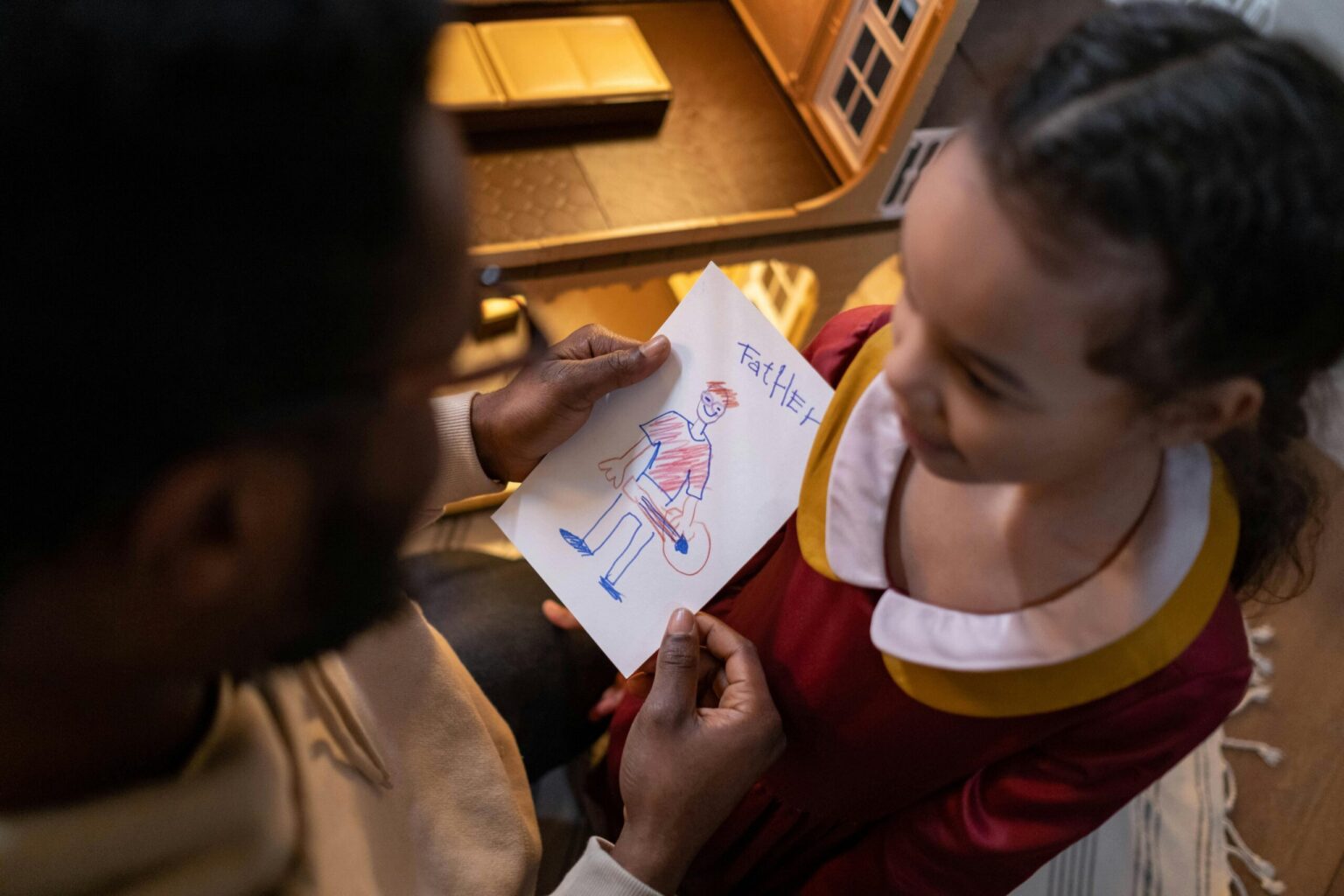

Why praise for your child is important
1. Boost self-esteem and confidence
When you praise your child for his work or effort, you help reinforce his sense of self-worth. Children who feel valued and recognized are more likely to develop a strong and positive self-image. When praise is specific and their hard work is acknowledged, they understand that their abilities are the result of their efforts and dedication, which can lead to increased confidence.
2. Promote positive behavior
Praise reinforces behaviors that you want to see more of. By thanking your child and acknowledging the hard work they’ve done, you let them know that their actions are appreciated. This encourages them to continue to make responsible choices, work hard, or help. The more frequently you praise positive behaviors, the more likely they are to be repeated.
3. Encourage a growth mindset
When you praise your child’s efforts instead of just focusing on the outcome, you help them develop a growth mindset. This concept, developed by psychologist Carol Dweike, emphasizes the idea that abilities and intelligence can be developed through dedication and effort. Praise for hard work and perseverance teaches children that challenges are opportunities for learning, not obstacles to avoid.
4. Strengthen your relationship with your child
When you take the time to acknowledge your child’s efforts, you build a deeper emotional connection. Giving sincere and specific praise shows that you pay attention to his work and that you are interested in his progress. This can help create a trusting and supportive relationship, where your child feels comfortable sharing their challenges and successes with you.
How to praise your child effectively
While praise is important, it is essential that it be presented in a constructive and meaningful way. Here are some key strategies for delivering praise that will have a positive impact
Be specific and focus on effort
Instead of offering vague praise like “doing well,” try to be specific about what your child did well. Focus on the effort, strategies, or actions you have taken to complete the task. This reinforces the idea that success is the result of hard work, not innate ability.
Example of specific praise:
Instead of: “Good performance in cleaning your room!”
Try: “I really appreciate how you arranged your toys and arranged your bed in style. You worked hard to organize everything, and I can see that you took your time.”
Specific praise helps children understand what they have done correctly and encourages them to keep making the effort.
Praise perseverance, not just results
It’s important to praise your child’s work effort and perseverance, not just the end result. This helps them focus on developing perseverance and resilience, rather than focusing only on “ideal” results.
An example of praising perseverance:
“I’m really proud of how you stuck to that math problem even though it was difficult. I kept on until I discovered it!”
“I worked this project, even when it became difficult. I admire your design!”
By praising perseverance, you encourage your child to keep trying, even when things don’t go smoothly the first time.


Thank them for their effort or contribution
Besides praising the work done well, taking the time to thank your child for their effort or contribution shows appreciation. This teaches them that their work is appreciated, and they are likely to continue to help and make an effort in the future.
An example of saying thank you:
“Thank you for cleaning the dishes today. It really helped me, and I’m happy to support you.”
“I’m so grateful you took the time to organize your stuff today. This makes the whole house
“We feel more at peace.”
Thanking your child for his work emphasizes the positive impact of his actions and shows him that his contributions are meaningful.
Avoid excessive praise or empty praise
While praise is important, it is equally important not to overdo it or offer praise that seems insincere. When praise becomes too frequent or general (such as always saying “You’re the best!”), it can lose value and may even lead to unrealistic expectations. Instead, make sure your praise is authentic and based on genuine effort and achievement.
Avoid: “You’re the smartest!”
This may put pressure on the child to perform consistently high and may cause them to avoid challenges that they may have difficulty with.
Instead, try: “I’m really impressed with the way I’ve handled those tough problems today. I learned a lot by sticking to it.”
This type of praise focuses on effort and progress, which helps the child grasp the idea that they can improve through hard work.
Praise for improvement and progress
It’s also important to praise progress, not just perfection. Many children (and adults) can feel frustrated if they feel they are not achieving perfection. Acknowledging and celebrating improvement, even in small steps, helps build confidence and motivate them to keep going.
Example of praise for progress:
“I’m a lot better at reading this week! I noticed how easy it is to finish this book today.”
“Last week, I had a hard time with this task, but today you completed it more quickly and with more confidence. I admire what I’ve learned!”
This type of praise encourages a focus on growth, which is more motivating than just praising results.
Praise with love, not just expectations
When praising your child for his efforts, it’s important to make sure he knows that praise comes from a place of love and not just to meet your expectations. Praise should be cheerful and nutritious, not something that seems transactional or stressful.
An example of warm praise:
“I love the way I handled this task. Your effort and thinking really shine, and I’m proud of you.”
“You worked really hard today, and I’m so happy you’re learning new things. Keep up the good work, but remember it’s okay to take breaks and enjoy the process!”
This helps your child feel loved and supported, rather than just feeling praised for what he is doing for you.

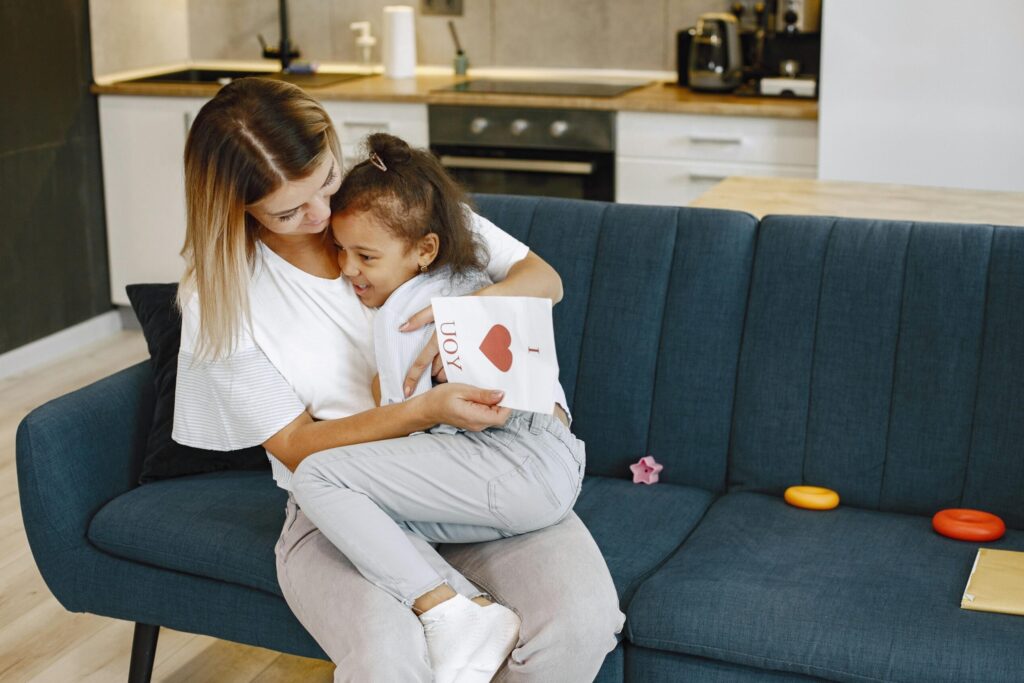
Encourage self-praise and meditation
In addition to praising your child, encourage him to reflect on his own efforts. This helps him understand the process of self-assessment, which can increase motivation and self-awareness. Ask your child how he feels about his work and what he is proud of.
An example of encouraging self-reflection:
“How do you feel about the work you’ve done today? What are you most proud of?”
“I’ve made a lot of progress! What part of the project do you think was the most fun or exciting for you?”
This encourages children to recognize their own development and take responsibility for learning and their achievements.
The bottom line
Praising your child and thanking his efforts is one of the most effective ways to encourage a positive, motivated and self-confident child. By identifying your praise, focusing on effort rather than just results, and creating an environment where progress is celebrated, you can help your child develop a strong sense of self-worth and love of learning. Remember that the goal of praise is not only to recognize achievements but also to promote positive behaviors, encourage resilience, and support your child’s continued development. When praise is given thoughtfully, it can be a powerful tool in raising a happy, self-confident and self-motivated child.

ربما يعجبك أيضا
ليه طفلك مش بيسمع كلامك؟
كثير من الآباء والأمهات بيلاقوا نفسهم في موقف محبط: بيكرروا الكلام أكتر من مرة، وأحيانًا يصرخوا، لكن الطفل لسه مش بيسمع. السؤال هنا: هل المشكلة في الطفل؟ ولا في الطريقة اللي بنتعامل بيها؟ الحقيقة إن الحل مش في الزعيق، الحل …
ليه بنزعق في ولادنا رغم إننا مش عايزين؟
كتير من الأمهات والآباء بيسألوا نفسهم السؤال ده بعد كل موقف عصبي: أنا ليه زعقت؟ مع إني كنت ناوي أكون أهدى. الحقيقة إن الزعيق غالبًا مش قرار، هو رد فعل بيطلع أسرع من تفكيرنا. وعلشان نفهمه، محتاجين نبص وراه شوية …
ثقة الطفل بنفسه: كيف تتشكل داخل البيت قبل المدرسة؟
كثير من الآباء والأمهات يعتقدون أن ثقة الطفل بنفسه تبدأ عندما يذهب إلى المدرسة، أو عندما يحقق إنجازًا دراسيًا أو مهارة واضحة. لكن الحقيقة أن بذور الثقة بالنفس تتشكل في وقت أبكر بكثير، داخل البيت، ومن خلال تفاصيل صغيرة تتكرر …