• Home
  • About Us
    • About Us
    • Our Services
    • Our Team
    • Our Vision
    • Portfolio
  • Courses

    About Courses

    • Courses Archive
    • Also You Can Attend
    • Timetable
    • Become an Instructor
    • FAQs

    New Course

    How to do finger puppets

    How to do finger puppets

    500
    EGP
    Read More
  • Events
  • Blog
    • Child & Skills
      • Fear & Anxiety
      • Bad Habits
      • sleeping problems
      • School problems
      • Bladder & Bowels
      • Speech & Conversation
      • Behavior problems
      • Attention Difficulties
      • Eating & Weight
      • Unhappy Child
      • unacceptable behavior
      • Bullying
      • Psychiatric Diagnosis
      • Other Problems
      • Kids skills Steps: Getting Started
      • Kids skills Steps: Building skills
      • Kids skills Steps: making it fun
      • Kids skills Steps: reinforcing learned skills
      • True Story
    • Montessori in the Arab World
      • Montessori at home
      • Montessori at school
    • Life Skills
      • Social
        • The Volunteer’s Guide 1: The Essence of Volunteering
        • The Volunteer’s Guide 2: What makes volunteering unique 1
        • The Volunteer’s Guide 2: What makes volunteering unique 2
        • The Volunteer’s Guide 3: Types of volunteering
        • The Volunteer’s Guide 4: How to Get Started?
        • The Volunteer’s Guide 5: Choosing where to volunteer
        • The Volunteer’s Guide 6: Am i Being used?
        • The Volunteer’s Guide 7: what to expect?
        • The Volunteer’s Guide 8: What is expected of me?
        • The Volunteer’s Guide 9: what can i do in Love2Serve4All?
        • International Women’s Day: Empowering Girls Through Education:
        • Youth Empowerment: Fostering Leadership and Initiative
      • Mental
        • Reset
        • Holiday Stress: Your Guide to Managing and Enjoying the Season
        • A Year in Retrospect: Reflection on 2023
        • Navigating the Holidays with Grace: Setting Boundaries for a Joyful Season
        • Embracing Self-Love: A Valentine’s Day Guide
      • Skills
        • The year is ending? How to achieve my goals in the last 4 months
        • How to create a to do list
        • 101 Guide to Crafting a Personal Budget
        • A Vision for the Future: Setting Your Personal Goals for 2024
        • Achieving Your Dreams: A Step-by-Step Guide to Conquering Your Goals in 2024
        • The Power of Journaling: A Beginner’s Guide to Self-Discovery and Personal Growth
      • Health
        • Winter Wellness: Your Guide to Flu and Cold Prevention
    • Kids At Home
      • Movie Night Guide: The sorcerer’s Elephant
      • Reading with your child
      • Navigating Family and Social Gatherings with Kids: Tips to Overcome Challenges
      • Movie Night Guide: “The Christmas Carol”
      • Cooking with Kids: A Recipe for Fun in the Kitchen
      • Ringing in the New Year with Little Ones: A Guide to Celebrating New Year’s Eve with Your Child
      • Love for Learning: Valentine’s Day Special:
    • Kids At School
      • How to help a child develop independent study skills
      • Managing back-to-school anxiety
      • Setting up a back-to-school morning routine for your child
      • Social-Emotional Learning: Nurturing Emotional Intelligence in Students:
      • International Day of Happiness: Cultivating Positive Learning Environments:
  • Shop
    • Books
      • Children’s Books
      • For Children & Parents
      • Montessori Books
      • Parenting & Relationship
      • Self Help
      • Teens & Young Adults
      • Education & Reference
      • Montessori Education
        • Montessori Activities
        • Montessori Books
        • Montessori Materials
      • Educational Programs
      • Schools & Teaching
  • News
  • Features
    • Timetable
    • Gallery
    • Blogs’ Gallery
    • FAQs
    • MY ACCOUNT
  • Contact
  • Register Now
    • Registration
    • Login
Have any question?
(02) 0127 293 5708
info@love2serve4all.org
  • English
    • العربية
Love2Serve4All
  • Home
  • About Us
    • About Us
    • Our Services
    • Our Team
    • Our Vision
    • Portfolio
  • Courses

    About Courses

    • Courses Archive
    • Also You Can Attend
    • Timetable
    • Become an Instructor
    • FAQs

    New Course

    How to do finger puppets

    How to do finger puppets

    500
    EGP
    Read More
  • Events
  • Blog
    • Child & Skills
      • Fear & Anxiety
      • Bad Habits
      • sleeping problems
      • School problems
      • Bladder & Bowels
      • Speech & Conversation
      • Behavior problems
      • Attention Difficulties
      • Eating & Weight
      • Unhappy Child
      • unacceptable behavior
      • Bullying
      • Psychiatric Diagnosis
      • Other Problems
      • Kids skills Steps: Getting Started
      • Kids skills Steps: Building skills
      • Kids skills Steps: making it fun
      • Kids skills Steps: reinforcing learned skills
      • True Story
    • Montessori in the Arab World
      • Montessori at home
      • Montessori at school
    • Life Skills
      • Social
        • The Volunteer’s Guide 1: The Essence of Volunteering
        • The Volunteer’s Guide 2: What makes volunteering unique 1
        • The Volunteer’s Guide 2: What makes volunteering unique 2
        • The Volunteer’s Guide 3: Types of volunteering
        • The Volunteer’s Guide 4: How to Get Started?
        • The Volunteer’s Guide 5: Choosing where to volunteer
        • The Volunteer’s Guide 6: Am i Being used?
        • The Volunteer’s Guide 7: what to expect?
        • The Volunteer’s Guide 8: What is expected of me?
        • The Volunteer’s Guide 9: what can i do in Love2Serve4All?
        • International Women’s Day: Empowering Girls Through Education:
        • Youth Empowerment: Fostering Leadership and Initiative
      • Mental
        • Reset
        • Holiday Stress: Your Guide to Managing and Enjoying the Season
        • A Year in Retrospect: Reflection on 2023
        • Navigating the Holidays with Grace: Setting Boundaries for a Joyful Season
        • Embracing Self-Love: A Valentine’s Day Guide
      • Skills
        • The year is ending? How to achieve my goals in the last 4 months
        • How to create a to do list
        • 101 Guide to Crafting a Personal Budget
        • A Vision for the Future: Setting Your Personal Goals for 2024
        • Achieving Your Dreams: A Step-by-Step Guide to Conquering Your Goals in 2024
        • The Power of Journaling: A Beginner’s Guide to Self-Discovery and Personal Growth
      • Health
        • Winter Wellness: Your Guide to Flu and Cold Prevention
    • Kids At Home
      • Movie Night Guide: The sorcerer’s Elephant
      • Reading with your child
      • Navigating Family and Social Gatherings with Kids: Tips to Overcome Challenges
      • Movie Night Guide: “The Christmas Carol”
      • Cooking with Kids: A Recipe for Fun in the Kitchen
      • Ringing in the New Year with Little Ones: A Guide to Celebrating New Year’s Eve with Your Child
      • Love for Learning: Valentine’s Day Special:
    • Kids At School
      • How to help a child develop independent study skills
      • Managing back-to-school anxiety
      • Setting up a back-to-school morning routine for your child
      • Social-Emotional Learning: Nurturing Emotional Intelligence in Students:
      • International Day of Happiness: Cultivating Positive Learning Environments:
  • Shop
    • Books
      • Children’s Books
      • For Children & Parents
      • Montessori Books
      • Parenting & Relationship
      • Self Help
      • Teens & Young Adults
      • Education & Reference
      • Montessori Education
        • Montessori Activities
        • Montessori Books
        • Montessori Materials
      • Educational Programs
      • Schools & Teaching
  • News
  • Features
    • Timetable
    • Gallery
    • Blogs’ Gallery
    • FAQs
    • MY ACCOUNT
  • Contact
  • Register Now
    • Registration
    • Login

Blog

Home » Blog » The Power of thanksgiving

The Power of thanksgiving

  • Posted by Marketing L2S
  • Categories Blog, Child, Family, and school, Dealing with emotions, For child, Me & My Child, Mental
  • Date November 28, 2024
  • Comments 0 comment

How to thank and appreciate your child for their efforts

As parents, praise is one of the most powerful tools we have to promote self-esteem, motivation and development in our children. But not all praise is equal. To encourage a child’s development and promote a truly positive behavior, it is important to offer meaningful, specific, and genuine praise. The simple phrase “good work” may seem positive, but research shows that when praise is thoughtful and focuses on effort and progress rather than just results, it can have a significant impact on a child’s confidence, motivation and overall mentality.

In this article, we will explore the importance of praising your child for their efforts, the role of thanking them for completing tasks, and how to use praise effectively to encourage growth and build a positive relationship.
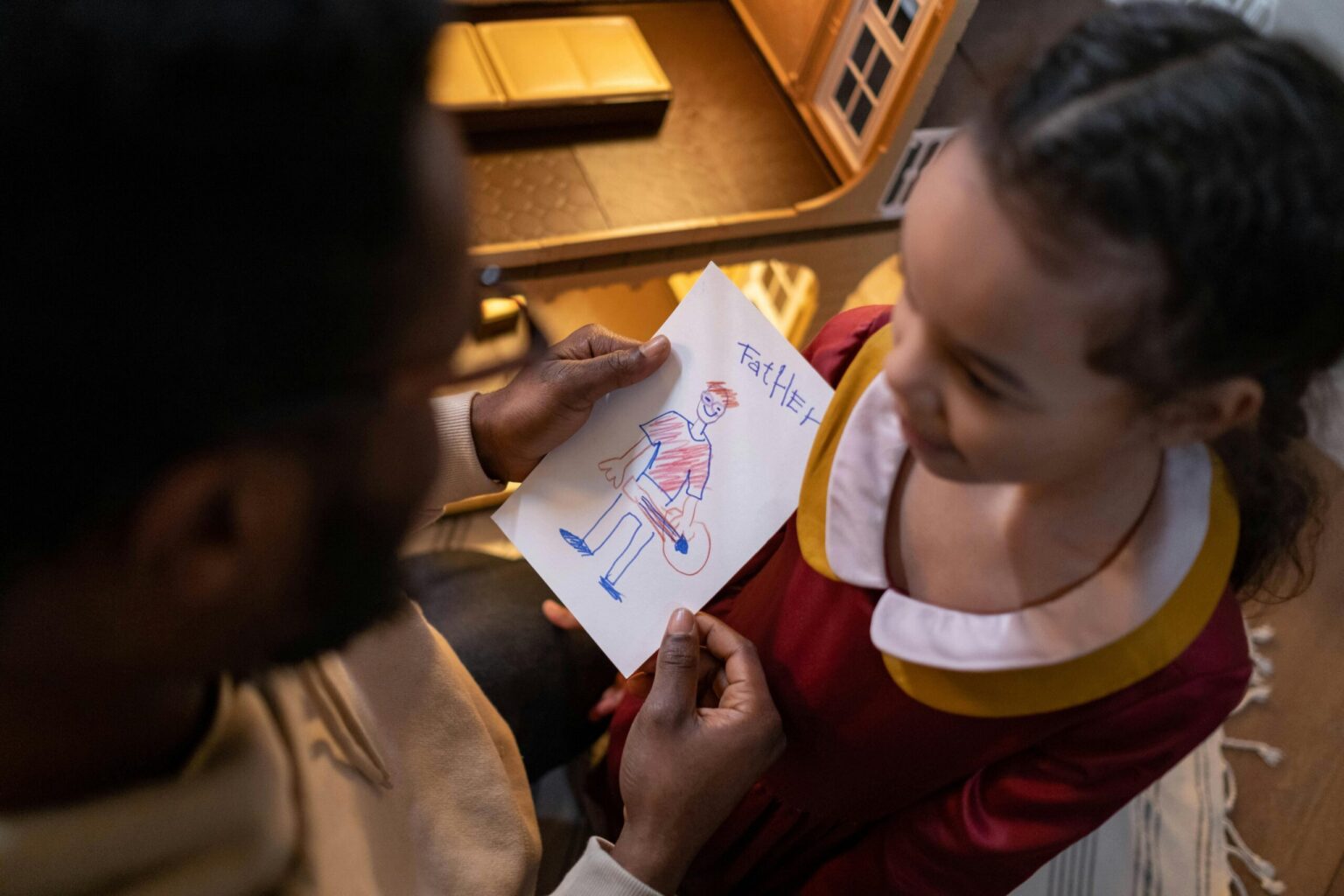

Why praise for your child is important

1. Boost self-esteem and confidence

When you praise your child for his work or effort, you help reinforce his sense of self-worth. Children who feel valued and recognized are more likely to develop a strong and positive self-image. When praise is specific and their hard work is acknowledged, they understand that their abilities are the result of their efforts and dedication, which can lead to increased confidence.

2. Promote positive behavior

Praise reinforces behaviors that you want to see more of. By thanking your child and acknowledging the hard work they’ve done, you let them know that their actions are appreciated. This encourages them to continue to make responsible choices, work hard, or help. The more frequently you praise positive behaviors, the more likely they are to be repeated.

3. Encourage a growth mindset

When you praise your child’s efforts instead of just focusing on the outcome, you help them develop a growth mindset. This concept, developed by psychologist Carol Dweike, emphasizes the idea that abilities and intelligence can be developed through dedication and effort. Praise for hard work and perseverance teaches children that challenges are opportunities for learning, not obstacles to avoid.

4. Strengthen your relationship with your child
When you take the time to acknowledge your child’s efforts, you build a deeper emotional connection. Giving sincere and specific praise shows that you pay attention to his work and that you are interested in his progress. This can help create a trusting and supportive relationship, where your child feels comfortable sharing their challenges and successes with you.

How to praise your child effectively

While praise is important, it is essential that it be presented in a constructive and meaningful way. Here are some key strategies for delivering praise that will have a positive impact

Be specific and focus on effort

Instead of offering vague praise like “doing well,” try to be specific about what your child did well. Focus on the effort, strategies, or actions you have taken to complete the task. This reinforces the idea that success is the result of hard work, not innate ability.

Example of specific praise:

Instead of: “Good performance in cleaning your room!”

Try: “I really appreciate how you arranged your toys and arranged your bed in style. You worked hard to organize everything, and I can see that you took your time.”

Specific praise helps children understand what they have done correctly and encourages them to keep making the effort.

Praise perseverance, not just results

It’s important to praise your child’s work effort and perseverance, not just the end result. This helps them focus on developing perseverance and resilience, rather than focusing only on “ideal” results.

An example of praising perseverance:

“I’m really proud of how you stuck to that math problem even though it was difficult. I kept on until I discovered it!”

“I worked this project, even when it became difficult. I admire your design!”

By praising perseverance, you encourage your child to keep trying, even when things don’t go smoothly the first time.


Thank them for their effort or contribution

Besides praising the work done well, taking the time to thank your child for their effort or contribution shows appreciation. This teaches them that their work is appreciated, and they are likely to continue to help and make an effort in the future.

An example of saying thank you:

“Thank you for cleaning the dishes today. It really helped me, and I’m happy to support you.”

“I’m so grateful you took the time to organize your stuff today. This makes the whole house

“We feel more at peace.”

Thanking your child for his work emphasizes the positive impact of his actions and shows him that his contributions are meaningful.

Avoid excessive praise or empty praise

While praise is important, it is equally important not to overdo it or offer praise that seems insincere. When praise becomes too frequent or general (such as always saying “You’re the best!”), it can lose value and may even lead to unrealistic expectations. Instead, make sure your praise is authentic and based on genuine effort and achievement.

Avoid: “You’re the smartest!”

This may put pressure on the child to perform consistently high and may cause them to avoid challenges that they may have difficulty with.

Instead, try: “I’m really impressed with the way I’ve handled those tough problems today. I learned a lot by sticking to it.”

This type of praise focuses on effort and progress, which helps the child grasp the idea that they can improve through hard work.

Praise for improvement and progress

It’s also important to praise progress, not just perfection. Many children (and adults) can feel frustrated if they feel they are not achieving perfection. Acknowledging and celebrating improvement, even in small steps, helps build confidence and motivate them to keep going.

Example of praise for progress:

“I’m a lot better at reading this week! I noticed how easy it is to finish this book today.”

“Last week, I had a hard time with this task, but today you completed it more quickly and with more confidence. I admire what I’ve learned!”

This type of praise encourages a focus on growth, which is more motivating than just praising results.

Praise with love, not just expectations

When praising your child for his efforts, it’s important to make sure he knows that praise comes from a place of love and not just to meet your expectations. Praise should be cheerful and nutritious, not something that seems transactional or stressful.

An example of warm praise:

“I love the way I handled this task. Your effort and thinking really shine, and I’m proud of you.”

“You worked really hard today, and I’m so happy you’re learning new things. Keep up the good work, but remember it’s okay to take breaks and enjoy the process!”

This helps your child feel loved and supported, rather than just feeling praised for what he is doing for you.


Encourage self-praise and meditation

In addition to praising your child, encourage him to reflect on his own efforts. This helps him understand the process of self-assessment, which can increase motivation and self-awareness. Ask your child how he feels about his work and what he is proud of.

An example of encouraging self-reflection:

“How do you feel about the work you’ve done today? What are you most proud of?”

“I’ve made a lot of progress! What part of the project do you think was the most fun or exciting for you?”

This encourages children to recognize their own development and take responsibility for learning and their achievements.

The bottom line

Praising your child and thanking his efforts is one of the most effective ways to encourage a positive, motivated and self-confident child. By identifying your praise, focusing on effort rather than just results, and creating an environment where progress is celebrated, you can help your child develop a strong sense of self-worth and love of learning. Remember that the goal of praise is not only to recognize achievements but also to promote positive behaviors, encourage resilience, and support your child’s continued development. When praise is given thoughtfully, it can be a powerful tool in raising a happy, self-confident and self-motivated child.

  • Share:
author avatar
Marketing L2S

Previous post

نشرتنا الشهرية
November 28, 2024

Next post

The power of i love you
December 12, 2024

You may also like

Why Doesn’t Your Child Listen to You?
31 March, 2026

Many parents find themselves in a frustrating situation: they repeat themselves multiple times, sometimes even yell, yet the child still doesn’t listen. The question is: is the problem with the child, or with the way we communicate? The truth is, …

Why Do We Yell at Our Children Even When We Don’t Want To?
31 March, 2026

Many parents ask themselves this question after an emotional moment: Why did I yell, even though I wanted to stay calm? The truth is, yelling is often not a conscious decision. It is a reaction that comes out faster than …

A Child’s Self-Confidence: How It Is Built at Home Before School
12 March, 2026

Many parents believe that a child’s self-confidence begins when they start school or when they achieve academic success or learn a clear skill. However, the truth is that the foundations of confidence begin much earlier, inside the home, through small …

Leave A Reply Cancel reply

Your email address will not be published. Required fields are marked *

Search

Categories

  • Attention Difficulties
  • Bad Habits
  • Behavior problems
  • Bladder & Bowels
  • Blog
  • Bullying
  • Child & Skills
  • Child, Family, and school
  • Child’s Struggles
  • Dealing with emotions
  • Eating & Weight
  • education&community
  • Everyday life
  • Fear & Anxiety
  • Feelings & emotions for Child
  • For child
  • For Teen
  • Health
  • Health talk for Child
  • Healthy World
  • Home schooling
  • How to Start
  • Journey with the problem
  • Kids At Home
  • Kids At School
  • Kids skills Steps: Building skills
  • Kids skills Steps: Getting Started
  • Kids skills Steps: making it fun
  • Kids skills Steps: reinforcing learned skills
  • Life Skills
  • M.Montessori and philosophy
  • Me & My Child
  • Mental
  • Montessori in the Arab World
  • Olympiad
  • Other Problems
  • People and relationships for Child
  • Psychiatric Diagnosis
  • Relationships & Feelings
  • Relationships with parents
  • School life
  • School problems
  • Signs & meanings
  • Skills
  • sleeping problems
  • Social
  • Speech & Communication
  • Speech & Conversation
  • Sport
  • True Story
  • Types of Problems
  • unacceptable behavior
  • Uncategorized
  • Unhappy Child
  • What is Montessori method?
logo-eduma-the-best-lms-wordpress-theme

(02) 0127 293 5708

info@love2serve4all.org

Company

  • About Us
  • Meet our Team
  • Our Services
  • Become a Teacher
  • Contact

Products

  • Courses
  • Shop Page
  • Events
  • Gallery
  • Blogs’ Gallery
  • Membership

Terms

  • Terms of Service
  • Privacy Policy
  • Shipping and Return
  • Jobs and Internships
  • Sitemap

Recommend

  • Sleep Well
  • Apologizing
  • Divorce
  • Bedwetting
  • Being Late

Education Web Site by love2serve4all Powered by love2serve4all.

  • Terms of Service
  • Privacy Policy
  • Shipping and Return
  • Jobs and Internships
  • Sitemap