Social-Emotional Learning: Nurturing Emotional Intelligence in Students:
- Posted by Marketing L2S
- Categories Kids At School
- Date March 6, 2024
- Comments 0 comment
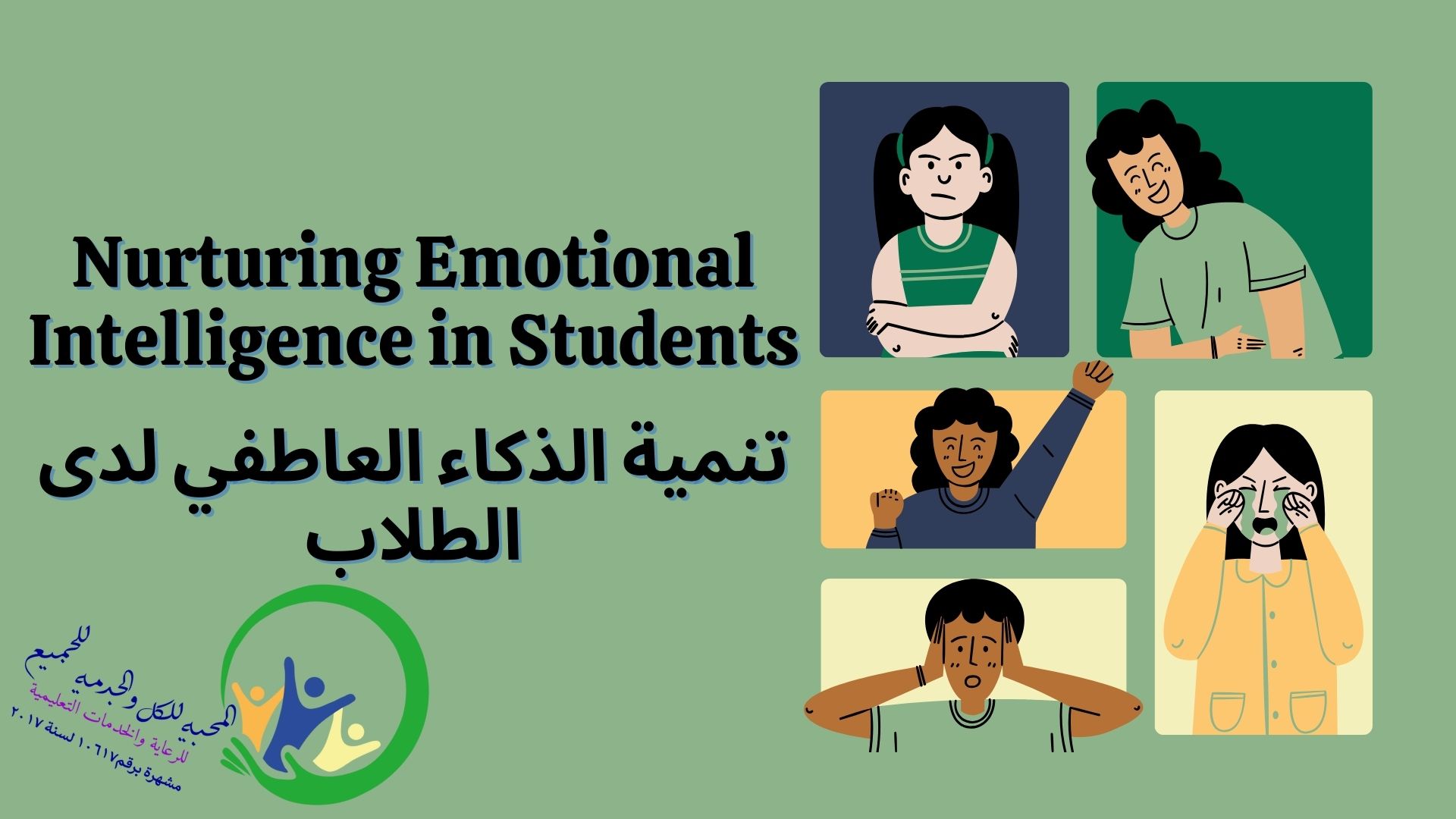
In the dynamic landscape of child development, fostering emotional intelligence has become a cornerstone of effective education. Social-emotional learning (SEL) has emerged as a powerful tool to nurture emotional intelligence in children, providing them with essential life skills beyond traditional academics. This article explores the significance of social-emotional learning in cultivating emotional intelligence and lays out practical approaches for parents and educators to implement in the lives of children.
Understanding Social-Emotional Learning (SEL) for Children:
Social-emotional learning is a holistic educational approach that recognizes the importance of developing emotional intelligence alongside academic knowledge. It encompasses a range of skills that empower children to understand and manage their emotions, navigate social relationships, and make responsible decisions.
Key Components of SEL for Children:
- Self-Awareness: Helping children recognize and understand their emotions, strengths, and areas for growth. This foundational skill sets the stage for emotional intelligence.
- Self-Regulation: Teaching strategies for children to manage and express their emotions appropriately, fostering emotional control and resilience.
- Social Awareness: Developing empathy by helping children understand and appreciate the perspectives and feelings of others, promoting a sense of community.
- Relationship Skills: Cultivating effective communication, teamwork, and conflict resolution skills to build and maintain positive relationships with peers and adults.
- Responsible Decision-Making: Empowering children to make thoughtful and ethical choices, considering the well-being of themselves and others.
The Significance of SEL in Child Development:
- Emotional Well-Being: SEL provides children with tools to understand and manage their emotions, contributing to a positive emotional well-being. It equips them with the resilience to navigate challenges and setbacks.
- Improved Social Skills: Children engaged in SEL activities develop stronger social skills, including effective communication, active listening, and cooperation. These skills lay the groundwork for successful interactions in various social settings.
- Academic Success: Research suggests a positive correlation between social-emotional learning and academic achievement. Children with well-developed SEL skills often exhibit improved focus, better classroom behavior, and enhanced problem-solving abilities.
- Conflict Resolution: SEL equips children with conflict resolution skills, teaching them how to navigate disagreements peacefully and understand different perspectives.
- Preparation for Adulthood: SEL provides a foundation for the challenges of adulthood by instilling problem-solving skills, adaptability, and emotional resilience from an early age.
Implementing SEL in Children’s Lives:
- Emotionally Responsive Environment: Create a home or classroom environment that values emotional expression. Encourage children to articulate their feelings, and validate their emotions as legitimate and important.
- Modeling Emotional Intelligence: Adults play a crucial role in modeling emotional intelligence. Demonstrate healthy expressions of emotions, and showcase problem-solving and decision-making processes for children to observe and learn.
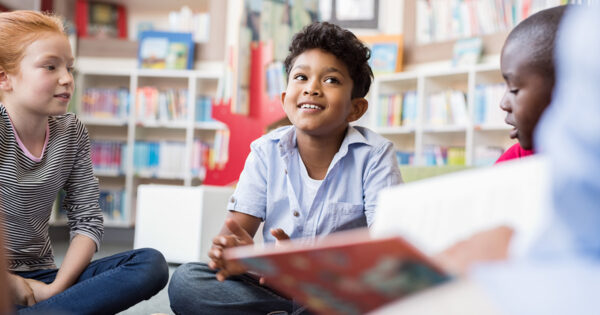
- Storytelling and Discussions: Utilize storytelling to discuss emotions and social situations. This allows children to relate to characters, understand diverse perspectives, and learn valuable lessons about emotions and relationships.
- Incorporate SEL into Daily Activities: Integrate SEL principles into daily routines and activities. For example, during playtime or group activities, focus on sharing, taking turns, and expressing emotions constructively.
- Mindfulness Practices: Introduce mindfulness practices tailored for children, such as breathing exercises and guided imagery, to enhance self-regulation and attention.
Cultivating Emotional Intelligence in Children:
- Emotion Identification Games: Engage children in games that involve identifying and expressing emotions. This could include using facial expression cards or describing how they feel in different scenarios.
- Empathy-Building Activities: Encourage empathy through activities that promote understanding of others’ feelings. This can be achieved through role-playing, storytelling, or community service projects.
- Art and Creativity: Allow children to express their emotions through art and creative activities. Drawing, painting, or crafting can be powerful outlets for emotional expression.
- Positive Reinforcement: Acknowledge and reinforce positive behavior and emotional expression. Celebrate instances where children demonstrate empathy, self-regulation, or effective communication.
- Reflective Conversations: Engage in reflective conversations with children about their emotions and experiences. Create a safe space for them to share their feelings and thoughts openly.
The Lifelong Impact of Emotional Intelligence:
Cultivating emotional intelligence in childhood lays the foundation for lifelong emotional well-being and success. Children equipped with strong SEL skills are better prepared to handle the complexities of relationships, academic challenges, and personal growth.
Conclusion:
In the journey of childhood development, social-emotional learning emerges as a guiding light, nurturing emotional intelligence in children. By prioritizing SEL principles in homes and classrooms, we empower the younger generation with invaluable skills that extend beyond academic knowledge. Emotional intelligence becomes a lifelong companion, shaping resilient, empathetic, and socially adept individuals who contribute positively to the world. As we invest in the emotional well-being of children, we sow the seeds for a future generation that thrives in understanding, compassion, and the ability to navigate the rich tapestry of human emotions.

You may also like
Practical Steps to Build a Child’s Self-Confidence at Home and School
A child’s self-confidence is not built through words alone, nor does it grow from quick praise or motivational phrases. It develops through repeated daily experiences the child lives at home and at school. Every small success, every mistake met with …