
Cooking with Kids: A Recipe for Fun in the Kitchen
- Posted by Marketing L2S
- Categories Kids At Home
- Date November 14, 2023
- Comments 0 comment

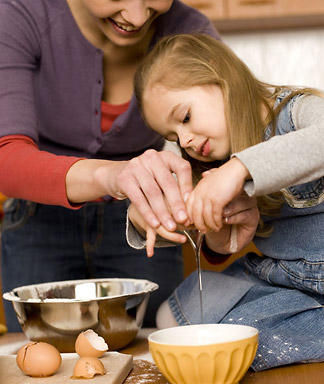
Cooking with your child is a wonderful way to spend quality time together, teach important life skills, and create delicious memories. From measuring ingredients to stirring and tasting, involving children in the kitchen can be an exciting and educational adventure. In this article, we’ll explore the joys of cooking with kids and share tips to make it a delightful experience for both you and your little chef.
1. Safety First:
Before you begin, ensure the kitchen is a safe environment for your child. Teach them the basic rules of kitchen safety, such as how to handle utensils, use oven mitts, and avoid touching hot surfaces.
2. Choose Kid-Friendly Recipes:
Start with simple, age-appropriate recipes that match your child’s skill level. Recipes with fewer steps and basic ingredients are ideal for beginners.
3. Set Up a Kid's Cooking Station:
Create a designated space where your child can comfortably work. Use a step stool to bring them to counter height and provide child-sized utensils and mixing bowls.
4. Encourage Creativity:
Cooking is a great way to foster creativity. Allow your child to make choices, experiment with flavors, and even come up with their own recipes.
5. Explain the Process:
Before you begin, explain the recipe and the steps involved. Discuss the ingredients and the purpose of each one. This helps your child understand the process and feel more engaged.
6. Teach Measuring and Math Skills:
Cooking is an excellent opportunity to reinforce math skills. Let your child measure ingredients and explain concepts like fractions and addition.
7. Hands-On Involvement:
Encourage your child to actively participate in the cooking process. Let them mix, stir, and even chop (with supervision). Hands-on learning is the most fun.
8. Tasting is Part of the Fun:
Encourage your child to taste different ingredients as you go along, from the sweet chocolate chips to the tangy lemon juice. Tasting can be an exciting part of the experience.
9. Tell Food Stories:
Share interesting facts or stories about the dishes you’re preparing. For example, where a certain recipe originated or a fun anecdote related to the dish.


10. Make it a Multi-Sensory Experience:
Engage your child’s senses. Have them smell the herbs, touch the dough, and listen to the sizzle of ingredients in the pan.
11. Embrace the Mess:
Cooking can get messy, and that’s okay! Let your child enjoy the process without worrying too much about cleanup. Messes can be cleaned up together as a team.
12. Celebrate the Results:
When the dish is ready, celebrate your culinary achievement. Set the table nicely, and enjoy the meal you’ve prepared together.
13. Document the Experience:
Take photos of your child at work in the kitchen. Create a cooking journal or scrapbook to document your culinary adventures.
14. Experiment with International Cuisines:
Explore different cuisines from around the world. This can be a fun and educational way to learn about other cultures.
15. Praise and Encourage:
Compliment your child’s efforts, even if the dish doesn’t turn out perfect. Encourage them to keep trying and learning from their experiences.
Cooking with your child is more than just making a meal; it’s about creating special moments, teaching valuable skills, and fostering a love for food and creativity. The kitchen becomes a place where memories are made, laughter is shared, and the joy of discovery reigns supreme. So, put on your aprons, roll up your sleeves, and savor the delights of cooking with your child. With each dish you create together, you’re nourishing not only their bodies but also their minds and hearts.

You may also like
Why Do We Yell at Our Children Even When We Don’t Want To?
Many parents ask themselves this question after an emotional moment: Why did I yell, even though I wanted to stay calm? The truth is, yelling is often not a conscious decision. It is a reaction that comes out faster than …
Practical Steps to Build a Child’s Self-Confidence at Home and School
A child’s self-confidence is not built through words alone, nor does it grow from quick praise or motivational phrases. It develops through repeated daily experiences the child lives at home and at school. Every small success, every mistake met with …
How Do I Know If the Problem Is My Child’s Self-Confidence Rather Than Their Behavior?
Many parents find themselves confused when facing their child’s behavior. Is the child being stubborn? Spoiled? Or does the behavior truly require discipline? Sometimes, however, the issue is not the behavior itself, but the child’s self-confidence. The difference is subtle, …