
Simple Ways Parents Can Practice Environmental Care at Home: Fostering Sustainable Habits for Future Generations
- Posted by Marketing L2S
- Categories Kids At Home
- Date March 27, 2024
- Comments 0 comment
In today’s world, environmental conservation has become increasingly critical as we face the challenges of climate change and resource depletion. As parents, fostering eco-friendly habits at home not only helps preserve the planet for future generations but also teaches our children the importance of environmental stewardship. This article explores simple yet effective ways parents can practice taking care of the environment at home, promoting sustainability and mindful living.
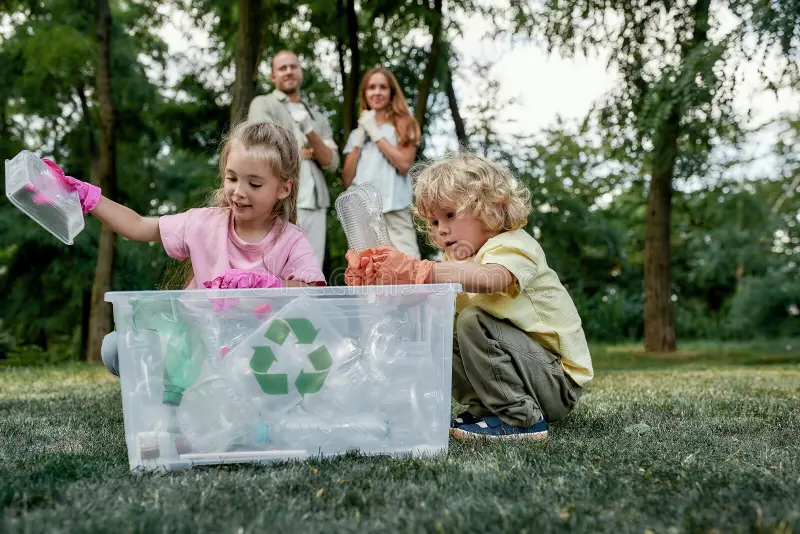
1. Reduce, Reuse, Recycle: Teach your children the mantra of “reduce, reuse, recycle” to minimize waste and conserve resources. Encourage them to use reusable containers for snacks and lunches, opt for products with minimal packaging, and recycle paper, plastic, glass, and metal materials whenever possible.
2. Conserve Energy: Promote energy-saving practices in your household by turning off lights, appliances, and electronics when not in use. Switch to energy-efficient light bulbs, unplug chargers and electronics when they’re not in use.
3. Save Water: Encourage water conservation by fixing leaky faucets and pipes, taking shorter showers, and turning off the tap while brushing teeth or washing dishes.
4. Embrace Sustainable Transportation: Reduce your family’s carbon footprint by walking, biking, or using public transportation whenever possible. Carpooling with neighbors or classmates for school and extracurricular activities can also help reduce emissions and traffic congestion.
5. Create a Green Space: Transform your outdoor or balcony space into a green oasis by planting native plants, shrubs, and flowers. Involve your children in gardening activities, teaching them about the importance of biodiversity and ecosystem health. Consider composting organic waste to enrich your soil naturally and reduce landfill waste.
6. Minimize Single-Use Plastics: Reduce your family’s reliance on single-use plastics by using reusable shopping bags, water bottles, and food containers. Avoid disposable plastic utensils, straws, and food packaging whenever possible, opting for sustainable alternatives made from bamboo, stainless steel, or glass.
7. Practice Mindful Consumption: Encourage your children to be thoughtful consumers by prioritizing quality over quantity and avoiding unnecessary purchases. Teach them about the environmental impact of consumerism and the importance of making informed choices that support sustainability and ethical production practices.
8. Educate and Advocate: Engage your children in discussions about environmental issues and inspire them to become advocates for positive change. Explore age-appropriate books, documentaries, and educational resources together, empowering them to understand complex environmental issues and take action in their communities.
9. Lead by Example: Be a role model for your children by demonstrating sustainable habits and environmental responsibility in your daily life. Show them that small actions, when multiplied, can make a significant difference in preserving our planet for future generations.
Conclusion: By incorporating these simple yet impactful practices into your family’s daily routine, you can instill a lifelong commitment to environmental care in your children. Together, we can create a healthier, more sustainable world for future generations by practicing mindful living, fostering eco-friendly habits, and nurturing a deep respect for the natural world. As parents, we have the power to shape the future through our actions today, leaving a legacy of environmental stewardship and sustainability for generations to come

Previous post
The Importance of Arts for Children: Cultivating Creativity and Expression
You may also like
Why Do We Yell at Our Children Even When We Don’t Want To?
Many parents ask themselves this question after an emotional moment: Why did I yell, even though I wanted to stay calm? The truth is, yelling is often not a conscious decision. It is a reaction that comes out faster than …
Practical Steps to Build a Child’s Self-Confidence at Home and School
A child’s self-confidence is not built through words alone, nor does it grow from quick praise or motivational phrases. It develops through repeated daily experiences the child lives at home and at school. Every small success, every mistake met with …
How Do I Know If the Problem Is My Child’s Self-Confidence Rather Than Their Behavior?
Many parents find themselves confused when facing their child’s behavior. Is the child being stubborn? Spoiled? Or does the behavior truly require discipline? Sometimes, however, the issue is not the behavior itself, but the child’s self-confidence. The difference is subtle, …