
Helping Your Child Become Helpful
- Posted by Marketing L2S
- Categories Blog, Child & Skills, Child, Family, and school, Everyday life, For child, Kids At Home, Kids At School, Life Skills, Me & My Child, Relationships with parents, Skills, Social
- Date January 15, 2025
- Comments 0 comment

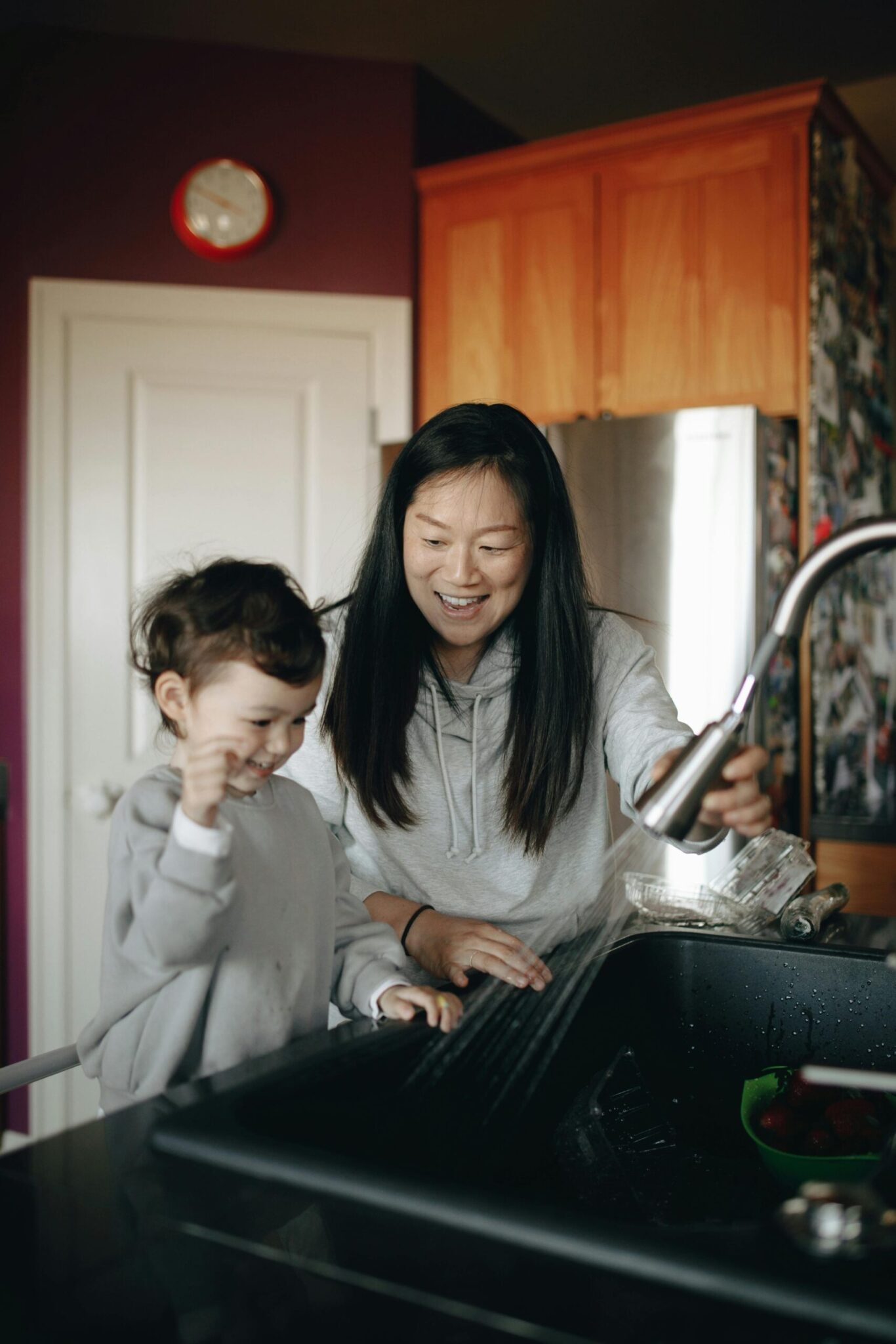
Fostering Kindness and Cooperative Responsibility As parents, one of our most important roles is to guide our children toward becoming responsible, cooperative, and helpful. Encouraging children to be helpful not only enhances their relationships with others, but also equips them with good quality skills that they will use well into adulthood. Helping others, whether it’s helping a family member with an errand, being kind to a friend, or being a community member, is a fundamental part of amazing development.
When children learn to be helpful, they also develop empathy, responsibility, and pride in their abilities. The good news is that helping others doesn’t have to be a learned trait—it’s something that can be nurtured early on through simple actions and consistent guidance.
In this article, we’ll explore why it’s important to encourage helping in children and foster these phone-promoting tips in your child.
Why Helping is Necessary?
1.Developing Empathy and Compassion, Helping others teaches children basic understanding and feelings about the people around them. When a child helps a sibling with a task, or helps a friend with a nuisance, or helps a parent with chores, they see themselves in someone else’s shoes. This nurtures empathy, the foundation of Brazilian aging and healthy relationships.
2.Instilling a sense of responsibility, When children help, they not only care for the well-being of others, but they also develop a sense of responsibility for their actions. Whether it’s cleaning up their toys, helping the family home, or taking care of their little brother, helping children know that it’s important to do their part and that they are trusted. This sense of responsibility extends beyond the home and becomes a life value that helps children succeed in school, friendships, and ultimately in their careers.
3.Encouraging teamwork, Helping also involves working as part of a team. Whether it’s a group project at school, collaborating with a sibling on a task, participating in community service, or helping others and teamwork. These skills are important in relationships in a different way, as they teach children how to communicate effectively, negotiate, and contribute to common solutions.
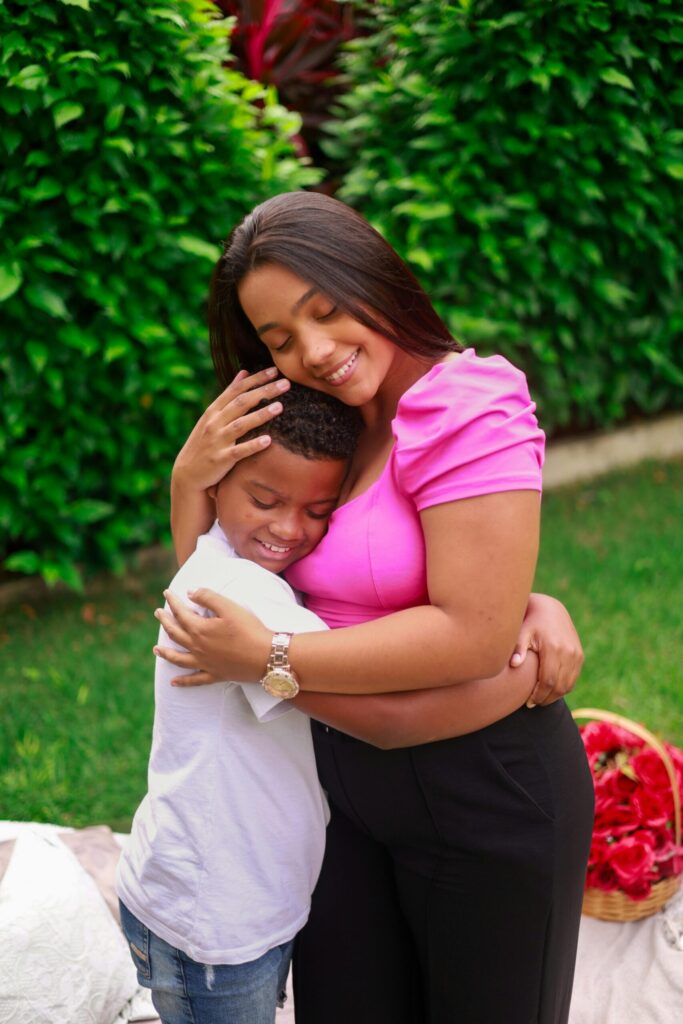
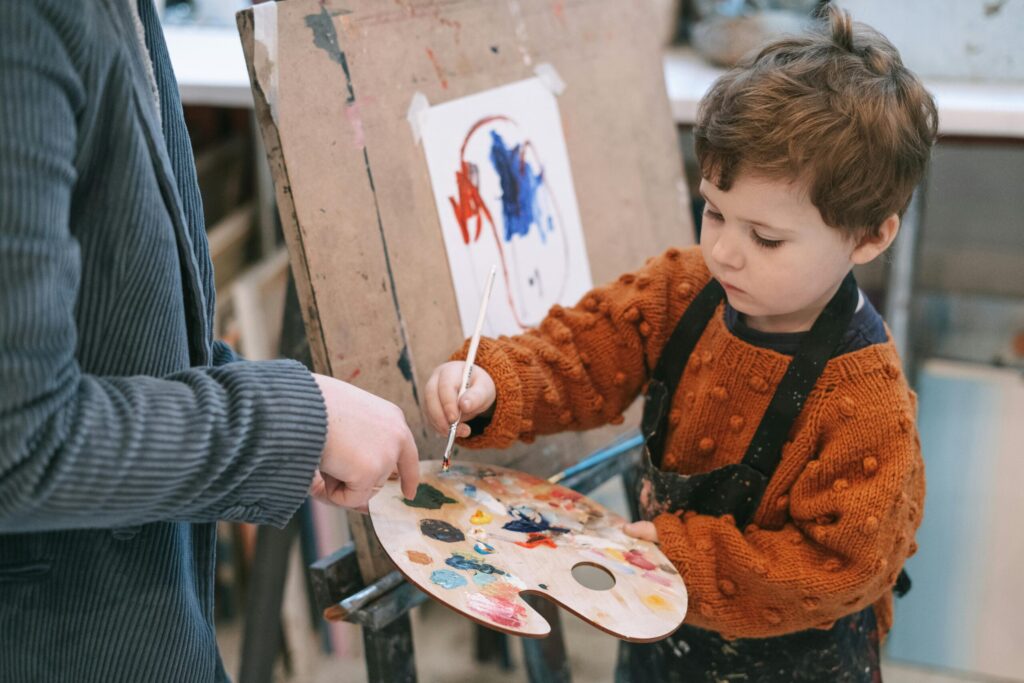
4.Recognition Builds Confidence and Self-Esteem,When children are helpful, they often take pride in their contributions. Helping others is effective in their confidence and reinforces the idea that they are allowed, helpful, and appreciated. This reinforcement is a driver that encourages them to offer help and contribute to their income.
5.Leadership Behavior and Social Skills Helping teaches children important social skills such as expertise, listening, and understanding. It also helps them build helpful relationships with family, friends, and peers, and can increase their popularity and social success. Furthermore, when children are challenged for being helpful, they agree to internalize these behaviors and continue to act toward others.
How to Help Your Child Become More Helpful Helping your child to be more helpful doesn’t require radically changing their daily routine. In fact, patting can set the foundation for a life of kindness and cooperation. Below are some ways you can encourage your child to be helpful.
1.Be a role model in waiting** Children start out better through the cycle. If you want your child to be helpful, you need to improve their appearance to help at work. Make a conscious effort to model kindness, generosity, and cooperation in your daily interactions.
– **Help people:** When you see someone in need, whether it’s a family member, neighbor, or stranger, demonstrate how you step in to help. Have your child point out the positive outcomes of being helpful.
– **Help each other as a family:** Participate in teamwork by helping each other with chores, errands, or even small tasks like a set schedule or laundry type. This shows that everyone in the family is part of the household.
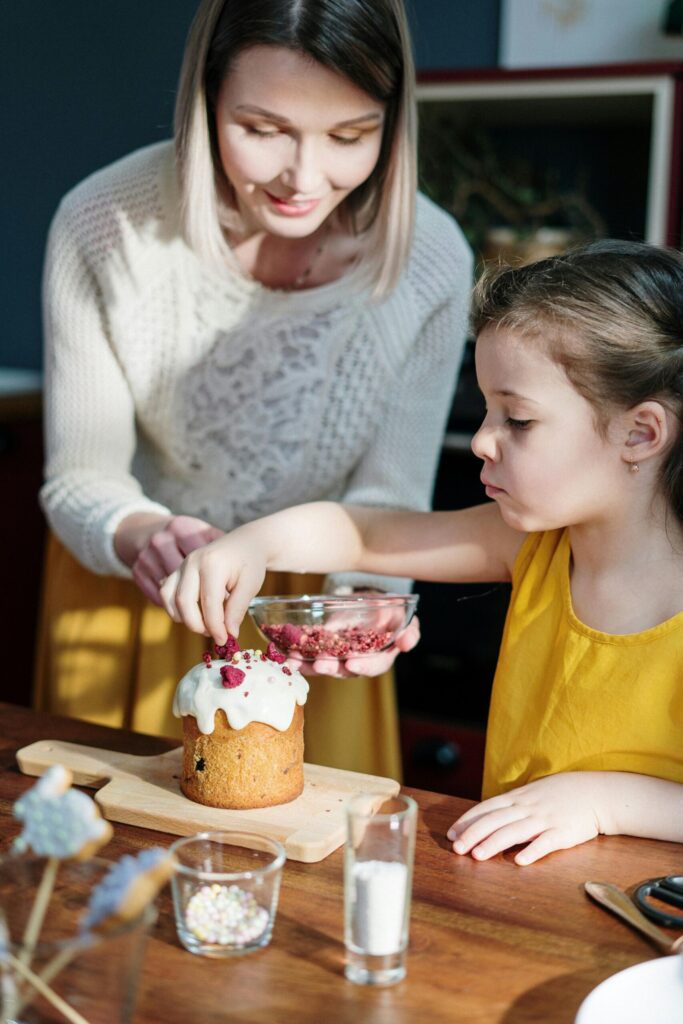

2.Make helping partly private** Include opportunities to help partly in their daily life. The more practice you get, the more natural helping behaviors will become.
– **Define basic tasks for age:** Even young children can help around the house by picking up toys, cleaning, or putting clothes in the laundry. As they get older, they can take on more responsibilities like setting up the fridge, doing laundry, or helping with publications.
– **Encourage helping siblings or animals:** Ask your child to help their younger child with a task, such as getting a toy or helping out. – Involve them in family tasks: Support your child in larger family projects, such as organizing the garage, gardening, or a weekend at home. This addresses teamwork and how everyone in the community is involved in maintaining what’s in it.
3.Praise and Reinforce Behaviors ** Children thrive on motor reinforcement. When they pitch in in helpful ways, be sure to acknowledge and reward their efforts. Reinforcement helps them understand that their actions are appreciated and valued.
– **Be specific in your praise:** Instead of just saying “good job,” acknowledge the successful action they took, such as “Thank you for helping your sister clean up. That was so sweet of you.”
– **Highlight the impact of their actions:** Point out how their help positively impacted others. For example, “He made your mom’s day easier by putting your shoes away without even realizing it. That shows true responsibility.”
– **Give them feedback:** While praise should emphasize moments ofTo help big, you should also acknowledge small, everyday acts of kindness or cooperation. This helps your child feel good about being helpful and encourages them to keep doing so.
4.Teach the value of helping others**
Help your child understand the broader importance of being helpful. Teach them that helping isn’t just about completing tasks—it’s about making a positive difference in the lives of others.
– **Discuss kindness and empathy:** Talk to your child about how their actions can make someone else feel better. For example, “When you helped your friend carry his books, you showed them kindness. They probably felt happy and grateful.”
– **Encourage acts of kindness outside the home:** In addition to family tasks, encourage your child to help friends, classmates, neighbors, or even strangers. Whether it’s helping a classmate with homework or holding a door open for someone, small acts of kindness can make a big difference.
– **Giving back to the community:** Volunteering as a family can provide your child with valuable lessons in empathy and the importance of giving. Consider participating in community service activities such as helping at a food bank, participating in a neighborhood cleanup, or donating clothes to charity.
5.Create a culture of helping at home**
One way to ensure your child becomes more helpful is to foster a home environment that values kindness and cooperation. Set clear expectations and create a culture where helping is part of your family’s values.
– **Create a family mission statement or set family goals** that emphasize kindness, cooperation, and responsibility. This helps your child see that helping is part of your family’s core values.
– **Create a “help pot” or reward system:** Implement a system that encourages helpful behavior. For example, every time your child helps, they can earn a sticker or “help coin” that goes toward a reward such as a fun family outing or a small treat.
– **Encourage cooperation over competition:** Teach your child that working together and helping each other is more important than winning or competing. Celebrate group accomplishments rather than individual accomplishments, and emphasize teamwork in everything from games to chores.
Conclusion
Helping your child become more helpful is one of the most rewarding aspects of parenting. Not only does it foster kindness, empathy, and responsibility, it also strengthens family bonds and promotes positive relationships. By offering to help, incorporating opportunities to help into their daily routine, and reinforcing acts of kindness, you can instill a lifelong love of helping others in your child. When children feel valued for their contributions and understand the impact of their help, they are more likely to grow into compassionate, responsible, and empathetic adults. By encouraging helping, you give your child the tools to create a positive, supportive world for themselves and those around them.

You may also like
Why Doesn’t Your Child Listen to You?
Many parents find themselves in a frustrating situation: they repeat themselves multiple times, sometimes even yell, yet the child still doesn’t listen. The question is: is the problem with the child, or with the way we communicate? The truth is, …
Why Do We Yell at Our Children Even When We Don’t Want To?
Many parents ask themselves this question after an emotional moment: Why did I yell, even though I wanted to stay calm? The truth is, yelling is often not a conscious decision. It is a reaction that comes out faster than …
Many parents believe that a child’s self-confidence begins when they start school or when they achieve academic success or learn a clear skill. However, the truth is that the foundations of confidence begin much earlier, inside the home, through small …