
Behaviour and Obedience
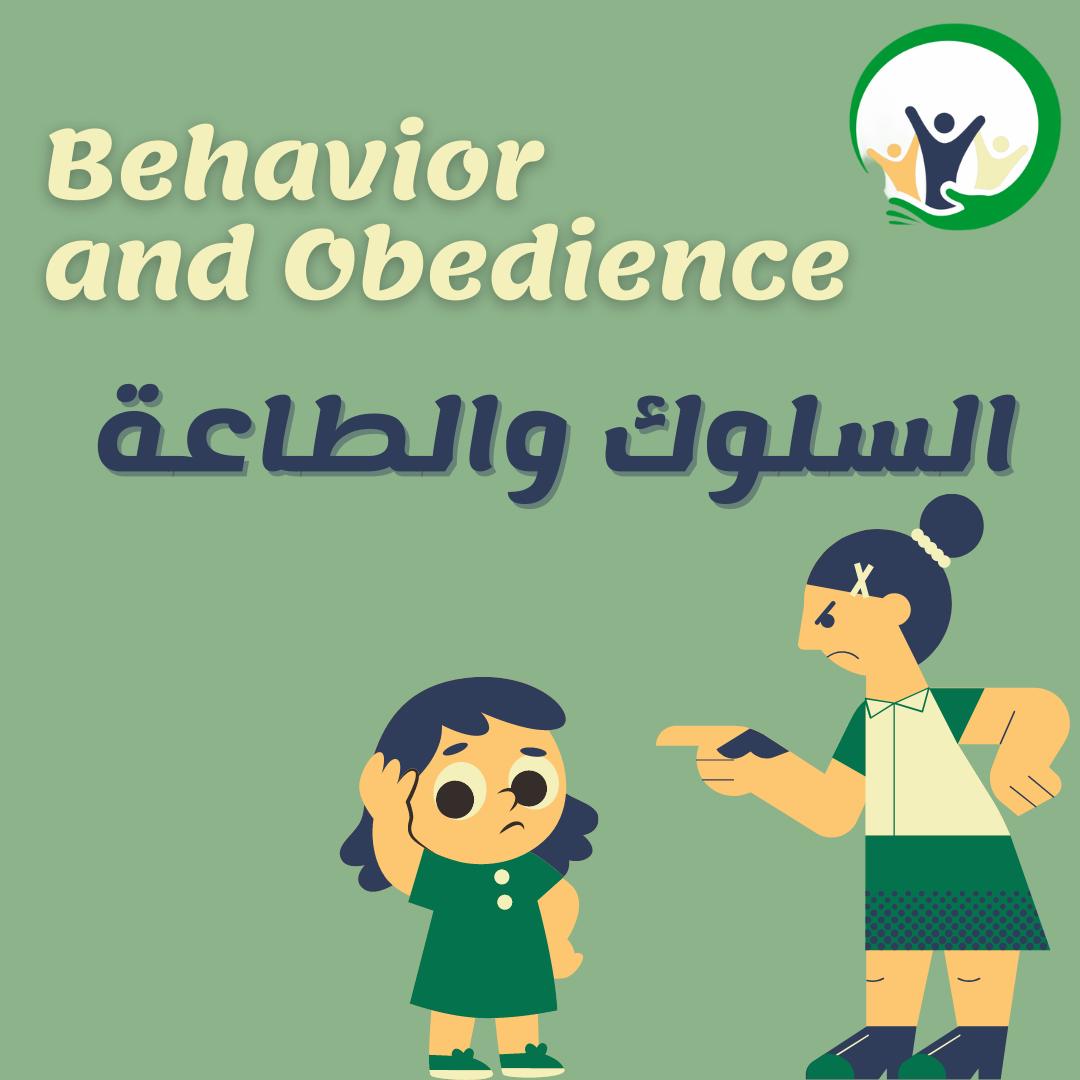
Parents and caregivers everywhere use similar tactics to get children to listen to them, comply with instructions, or obey orders. It’s a reasonable guess that the two commonest techniques are threats (“If you don’t do what I say I’ll take something away from you…”) and bribery (“Do what I say and you can have…”). Although they often work, the downside is that neither does very much to build a collaborative relationship between you and your children. It’s fair to say that all parents and caregivers prefer their children to listen and then comply with instructions voluntarily, not only after they’ve been threatened with punishment or promised some sort of reward.
The risk of entering a vicious cycle
Common descriptions of children who don’t listen to adults include them being stubborn, defiant or oppositional. Characterizations like these are seldom effective because they usually only serve to make the problem worse. If you’ve decided your child is stubborn, you tend to speak to them in ways that spawn a vicious cycle, making them even more stubborn, defiant or oppositional.
The best way of preventing children from bullying each other is to help them develop skills that promote friendship, collaboration and caring for others. Two such skills – apologising and defending – are particularly relevant when bullying is occurring.
An alternative view
A better way to begin is to assume that every child, even those who appear to be stubborn or defiant, actually want to collaborate with the adults who care for them. Stubborn behaviour seldom benefits children and they don’t enjoy it. In many cases, children who resist accepting orders and behave in apparently stubborn ways suffer as a result. Given the opportunity to discuss the problem with understanding adults, they often admit they would like to learn how they can become better at following instructions given by adults. They understand that learning how to become better at listening and complying with instructions will not only make their lives easier, it will also benefit everyone around them.
I suggest that rather than labelling children as stubborn, uncooperative, defiant or oppositional, we should regard them as individuals who want to collaborate with adults, young people who want to comply with instructions but don’t know how. They simply lack an important skill, one we all need in order to be happy and enjoy living – the skill of taking instructions from others. Most children acquire this skill spontaneously. Helping those who have difficulty in this area is important.
Getting started
Rather than criticising your child for being stubborn, praise his talents, abilities and positive character traits. Explain that you want to help him learn how they can improve the way they handle adults’ instructions, then use the Kids’Skills steps to motivate them in acquiring this skill. Discuss the benefits that will flow from learning the new skill, encourage them to come up with a name for it, and ask them to select their supporters.
Practice really helps
There are several games you can play with children that will help them learn the skill of accepting instructions. One of these, called ‘Simon Says’ in English, is known all over the world. In this, a leader shouts out instructions and the players have to obey as best they can in accordance with specific rules. More information is available at [www.grandparents.com] (http://www.grandparents.com/grandkids/activities-games-and-crafts/simon-says).
If your child finds it very difficult to accept instructions given by others, start with small steps. In a family therapy clinic in London, families participating in their programme are often encouraged to play a game in which children give instructions to their parents using a toy remote control, and parents then use the same remote control to give instructions to their children. This game is not only fun, it’s also a way of showing children how enjoyable taking instructions from others can be, while parents are able to practice expressing instructions in a kinder tone of voice, making it easier for their children to comply.
This article is owned by: Kids’Skills http://www.kidsskillsapp.com/
