
Helping Children Become Happier
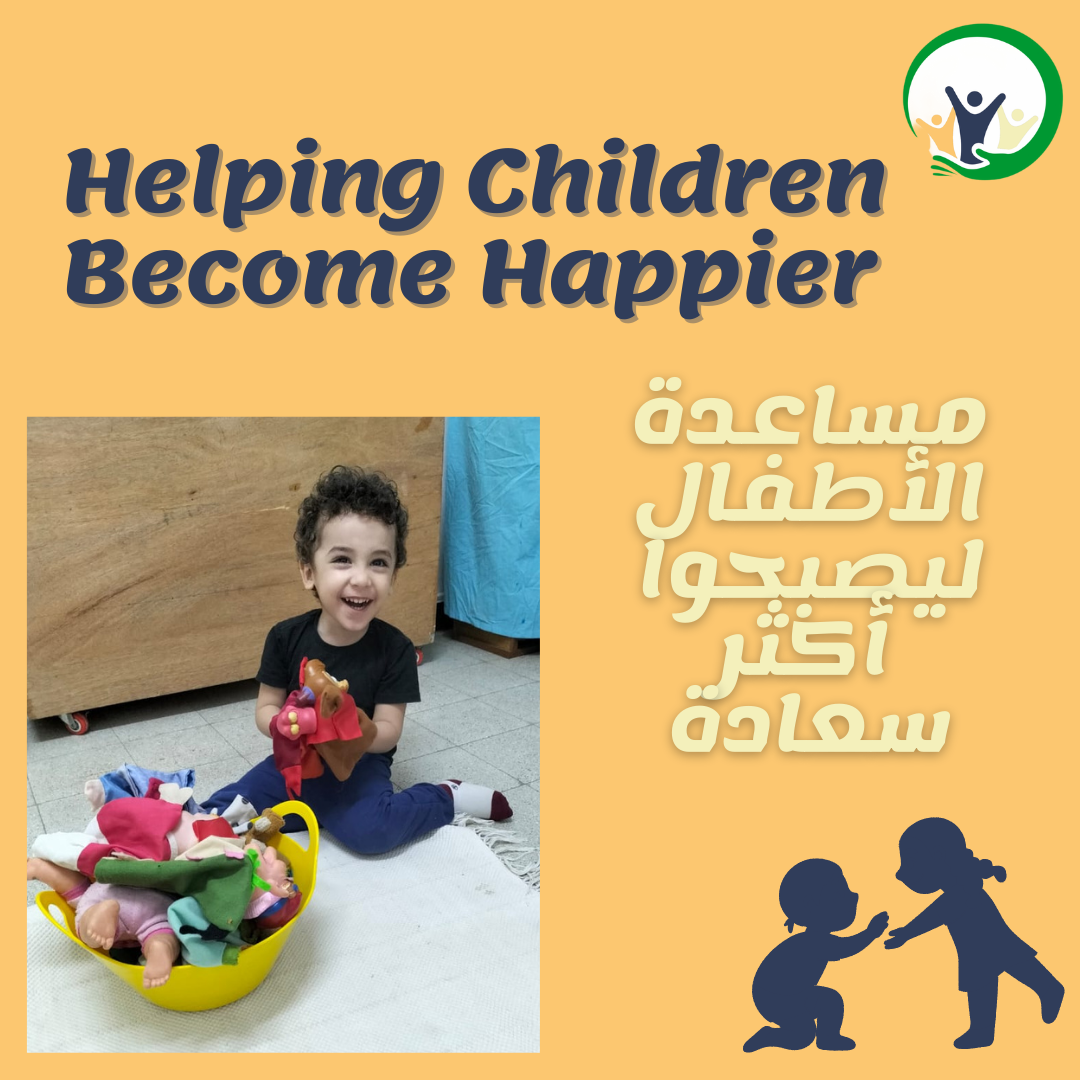
If a clear-cut problem is causing your child to be unhappy, obvious strategies are either to help them overcome it or help them learn how to cope with it. On those occasions when a specific problem does not exist, or when the problem cannot be solved, try focusing on helping your child acquire universal life skills that contribute to being happy. These skills include:
Optimism
Being optimistic is a skill that can be learned, cultivated and used. You can help children learn this skill by modelling optimism for them: try speaking in an optimistic manner or deciding to learn together how to be optimistic. There are games you can play that can help children understand optimism. One of these involves fantasising that something good will come out of every bad thing that happens. For example, if you miss the bus while you’re together, practise imagining that something good will result, such as bumping into someone you’d be happy to meet, or being able to return home to pick up something you have forgotten.
Relaxing, meditating, being mindful, winding down… solutions to being troubled or stressed have many names. Learning the skill of calming your mind has many benefits; your brain works better, learning is quicker, and both your mental health and your overall wellbeing improve.
Being grateful
Experiencing feelings of gratitude is a skill that we can learn and cultivate in many ways. One way of teaching your child about being grateful, for example, is to take a moment at bedtime and help them think about things, which happened during their day that they can feel grateful about.
Helping others
Helping other people, caring for animals or plants, or performing simple acts of kindness all make us happier. Offer your child opportunities to help or care for others, and help them appreciate how such acts have a positive effect on their wellbeing.
Calming your mind
Relaxing, meditating, being mindful, winding down… solutions to being troubled or stressed have many names. Learning the skill of calming your mind has many benefits; your brain works better, learning is quicker, and both your mental health and your overall wellbeing improve. Teach your child – or start learning together – some method of calming their mind such as yoga, meditation or other technique that helps their brain wind down.
Joy in success
Experiencing success makes a great contribution to being happy. Achieving major successes is not essential – you can help your child learn the skill of experiencing success simply by guiding them into paying attention to the small successes that often pass unnoticed. Give them a sign such as a thumbs-up to indicate that they have succeeded with something, and adopt the habit of asking them “How did you do that?” to help them pause and think about why they were successful
Greeting others
Greeting others in a kind manner is a habit that contributes to happiness. Teach your child the skill of greeting others by shaking hands, by hugging, or by asking questions that show interest in the people they meet. An additional skill worth learning is how to compliment others – it’s an excellent way of improving human relationships.
Getting in touch with nature
Closer contact with nature has been clearly demonstrated as contributing to human happiness. Help your child enjoy the natural world by offering them suitable opportunities, or by doing things together that are connected with nature such as gardening or caring for animals.
Exercise
Physical exercise plays a significant role in being happy. Offer your child plenty of ways of exercising – including climbing, jumping, trekking, running, playing ball games, swimming, gymnastics and cycling. Offering to teach your child a sport that you enjoy so you can enjoy it together is also a great idea. Team sports offer the bonus of developing your child’s social skills.
Learning new skills
Happiness goes hand-in-hand with learning new skills. Whatever we are learning – how to do a somersault, play the piano or speak another language – the learning process itself generates happiness. Mastering a new skill gives children the opportunity to experience success, and also to feel grateful to everyone who has supported them in the learning process.
Having fun
Children love clowning, fooling, being silly, acting, joking, tickling, laughing, dancing, giggling, magic tricks, amusing films, dressing up, games, pranks, parties, pillow fights… Having fun is a major contributor to being happy. Cultivate your child’s ability to experience joy and have fun – you’ll be helping them learn how to find joy and happiness in their lives.
Synopsis
Being happy can be thought of as a learnable skill that consists of several components. A number of these components – skills that contribute to happiness – are listed in this section. In your turn, you can contribute to your child’s happiness by cultivating these skills and helping your child learn them. The list given here is in no way exhaustive. Many more activities and skills contribute to human happiness, including being friendly, smiling, being helpful, employing good manners, speaking up, possessing conflict resolution skills, being ready to apologise and being able to forgive.
This article is owned by: Kids’Skills http://www.kidsskillsapp.com/

1 Comment
Thanks for wonderful information I used to be in search of this info for my mission.