
Kids’Skills and Happiness
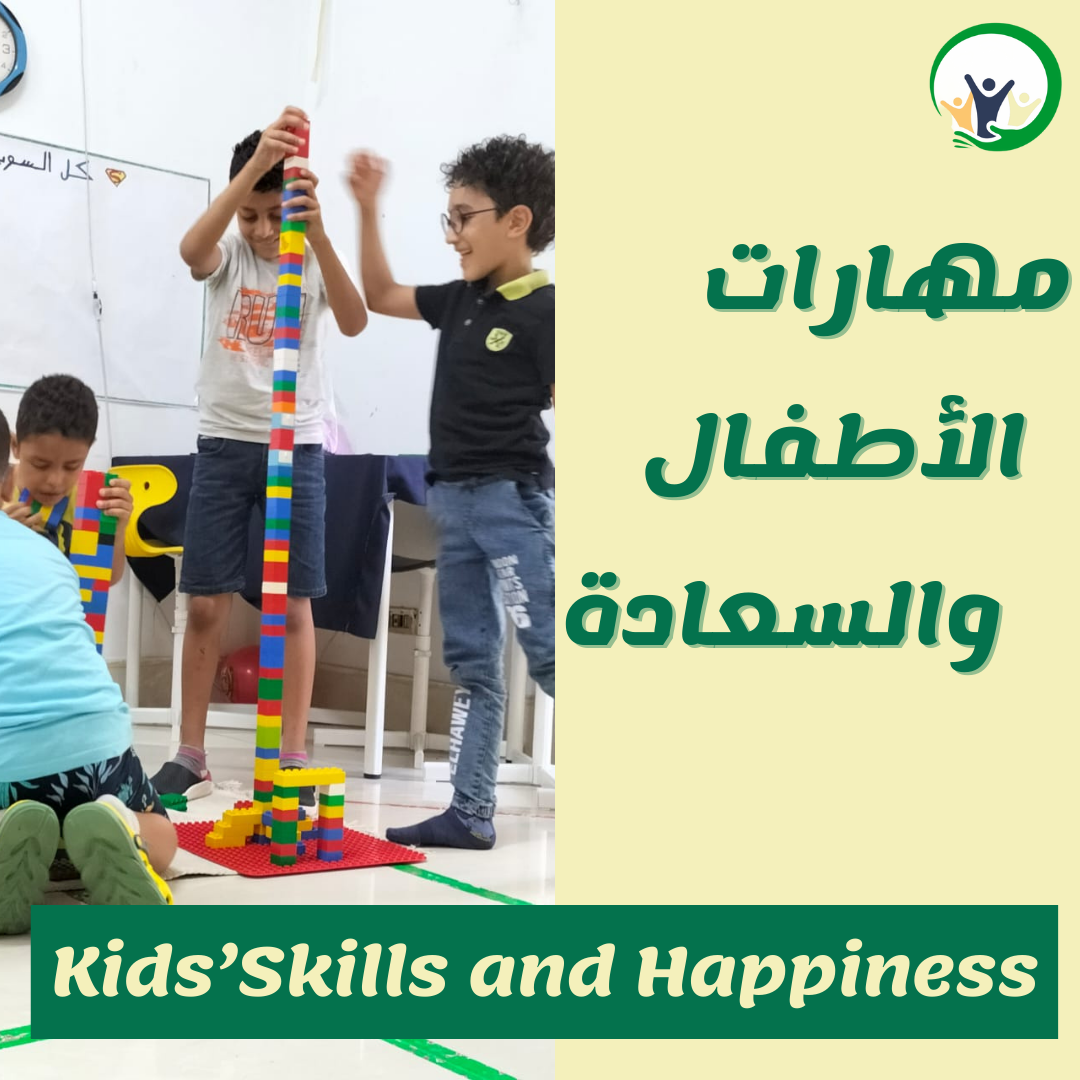
Using the Kids’Skills steps promotes happiness in children not only by helping them overcome problems but also in many other ways, including:
1. Нope
Happiness is hope. Kids’Skills makes children more hopeful by promoting their agency. It helps your child realize they can improve their own circumstances by learning new skills.
2. Success
Happiness is linked to mastery. The Kids’Skills steps offer your child plenty of opportunities to experience success.
3. Friendship
Making friends and enjoying their company is closely linked to happiness. The Kids’Skills steps strengthen your child’s relationships with their peers, because they can ask their friends to support them, and also invite them to participate in celebrating when a new skill has been learned.
4. Family relations
Getting along well with your parents is linked with happiness. The Kids’Skills steps improve a child’s relationship with his parents by influencing the way the parents view their child, not as a problem case but as someone who needs encouragement and support to learn new skills.
5. Compassion
Feeling that you are liked and appreciated by others is linked with happiness. Kids’Skills helps adults be compassionate in their relationships with children because most of us feel this way about children who are making an effort to solve a problem by learning a new skill.
6. Gratefulness
Feelings of gratitude are linked with happiness. Kids’Skills promotes gratefulness in your child by asking them to first name their supporters and then coaching them how to express gratitude to these individuals when they have learned a new skill.
7. Adult collaboration
The feeling that adults who care for a child are in agreement and collaborating is linked to happiness. Using the Kids’Skills steps helps adults work together because the focus is on skills rather than on problems, making collaborating easier and reducing the likelihood that adults engage in blaming.
8. Self-determination
Happiness is linked with the feeling that you can make decisions concerning yourself because you have control over your life. Kids’Skills respects this human need by encouraging your child to participate in all decisions during each step in the process.
The feeling that adults who care for a child are in agreement and collaborating is linked to happiness. Using the Kids’Skills steps helps adults work together because the focus is on skills rather than on problems, making collaborating easier and reducing the likelihood that adults engage in blaming.
Synopsis
Kids’Skills is not just a method for helping children overcome problems. It has the additional benefit of promoting happiness in children through the mechanisms outlined in this section.
This article is owned by: Kids’Skills http://www.kidsskillsapp.com/
