
Autism Awareness: Breaking Myths
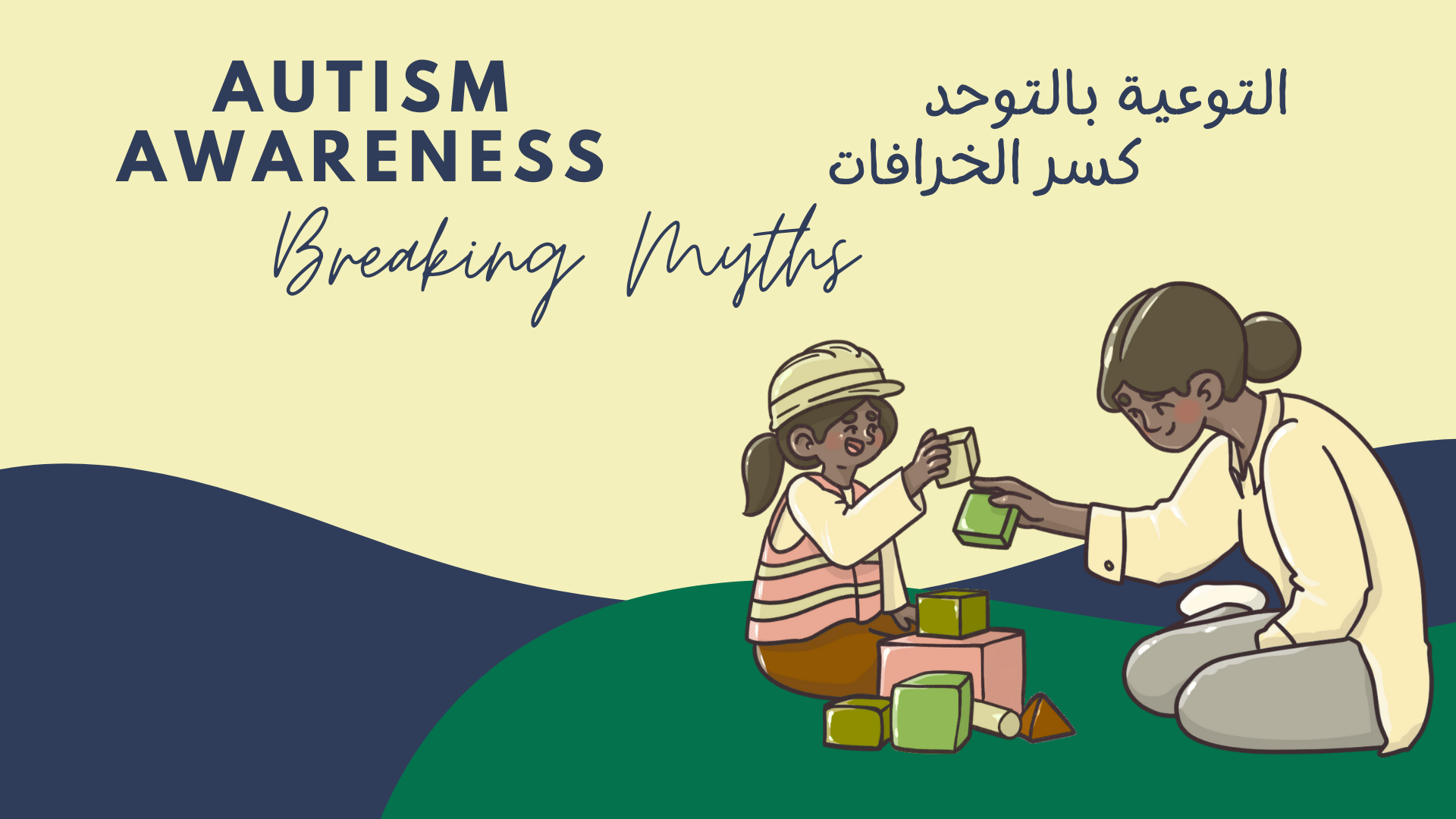
April is Autism Awareness Month, a time dedicated to educating the public about autism spectrum disorder (ASD) and promoting inclusion and understanding. Unfortunately, many myths and misconceptions about autism persist, creating unnecessary barriers for autistic individuals and their families. In this article, we will break down some of the most common myths and replace them with facts to help foster a more informed and accepting society.
Myth 1: Autism Is a Disease That Needs to Be Cured
Fact: Autism is not a disease; it is a neurological difference that affects how individuals perceive and interact with the world. While autistic individuals may face challenges, they also have unique strengths. The goal is not to “cure” autism but to provide support and accommodations that allow autistic individuals to thrive.
Myth 2: People with Autism Lack Emotions or Empathy
Fact: Autistic individuals experience a full range of emotions, just like everyone else. They may express emotions differently, but this does not mean they lack feelings or empathy. In fact, some autistic individuals are highly empathetic but may struggle with expressing it in conventional ways.
Myth 3: Autism Is Caused by Vaccines
Fact: Extensive scientific research has shown no link between vaccines and autism. This myth originated from a discredited study and has been widely debunked by major health organizations, including the World Health Organization (WHO) and the Centers for Disease Control and Prevention (CDC). Spreading this misinformation can be harmful and discourage essential vaccinations.
Myth 4: Autism Only Affects Children
Fact: Autism is a lifelong condition. While early diagnosis and intervention can help individuals develop coping strategies, autistic children grow into autistic adults who continue to experience the world differently. Support should be available at all life stages.
Myth 5: All Autistic Individuals Have the Same Abilities and Challenges
Fact: Autism is a spectrum, meaning it affects individuals in different ways. Some autistic individuals may have exceptional skills in specific areas, while others may require more support in daily tasks. No two autistic people are the same, and it is important to recognize and respect their unique experiences.
Myth 6: Autistic People Cannot Communicate or Socialize
Fact: Many autistic individuals communicate and socialize, but they may do so in ways that differ from neurotypical norms. Some may use verbal communication, while others rely on non-verbal methods such as sign language, assistive technology, or written communication. Understanding and respecting different communication styles is key to meaningful interactions.
Myth 7: Autism Is the Result of Bad Parenting
Fact: Autism is a neurological condition, not a result of parenting style or upbringing. In the past, the “refrigerator mother” theory falsely blamed cold or distant parenting for autism, but this has been thoroughly discredited. Families of autistic individuals deserve support and understanding, not blame.
How Can You Help?
- Educate Yourself and Others: Learn about autism from reputable sources and share accurate information.
- Support Inclusion: Advocate for inclusive education, workplaces, and social settings that accommodate autistic individuals.
- Be Patient and Understanding: Respect different ways of thinking, communicating, and interacting.
- Listen to Autistic Voices: Autistic individuals and their families are the best sources of information about their experiences. Engage with their perspectives to better understand their needs.
Conclusion
Breaking autism myths is crucial for creating a more accepting and inclusive world. By replacing misinformation with facts, we can build communities that support autistic individuals and celebrate neurodiversity. Let’s use Autism Awareness Month as an opportunity to learn, grow, and advocate for a world where everyone, regardless of neurological differences, is valued and understood.
