
The Importance of Arts for Children: Cultivating Creativity and Expression
- Posted by Marketing L2S
- Categories Kids At Home
- Date March 27, 2024
- Comments 0 comment
I n the bustling world of modern childhood, where academic achievement often takes center stage, the arts play a vital role in nurturing creativity, imagination, and self-expression. From drawing and painting to music and theater, engaging in artistic activities offers numerous benefits for children’s development. This article explores the importance of arts for children and provides practical steps for parents to encourage their child to embrace the arts in their daily lives.
The Benefits of Arts for Children:
- Creativity and Imagination: Engaging in artistic activities stimulates children’s creativity and encourages them to think outside the box. Through painting, drawing, or sculpting, children can explore their imagination and express themselves in unique and meaningful ways.
- Emotional Expression: Art provides a safe and constructive outlet for children to express their emotions and feelings. Whether through painting a vibrant canvas or composing a heartfelt song, artistic expression allows children to communicate and process their emotions creatively.
- Problem-Solving Skills: Artistic endeavors often involve experimentation and problem-solving. Children learn to make decisions, take risks, and adapt their approach as they explore different mediums and techniques, fostering critical thinking and innovation.
- Confidence and Self-Esteem: Creating art gives children a sense of accomplishment and pride in their abilities. Positive feedback and encouragement from parents and peers boost their self-esteem and confidence, empowering them to take on new challenges and pursue their passions.
- Cultural Appreciation: Engaging in the arts exposes children to different cultures, traditions, and perspectives. Whether through music, dance, or visual arts, children gain a deeper understanding and appreciation of diversity, fostering empathy and cultural literacy.
- Fine Motor Skills: Artistic activities, such as drawing, painting, and sculpting, help develop fine motor skills and hand-eye coordination. As children manipulate art materials and tools, they strengthen their muscles and refine their dexterity.
Practical Steps to Encourage Your Child to Embrace the Arts:
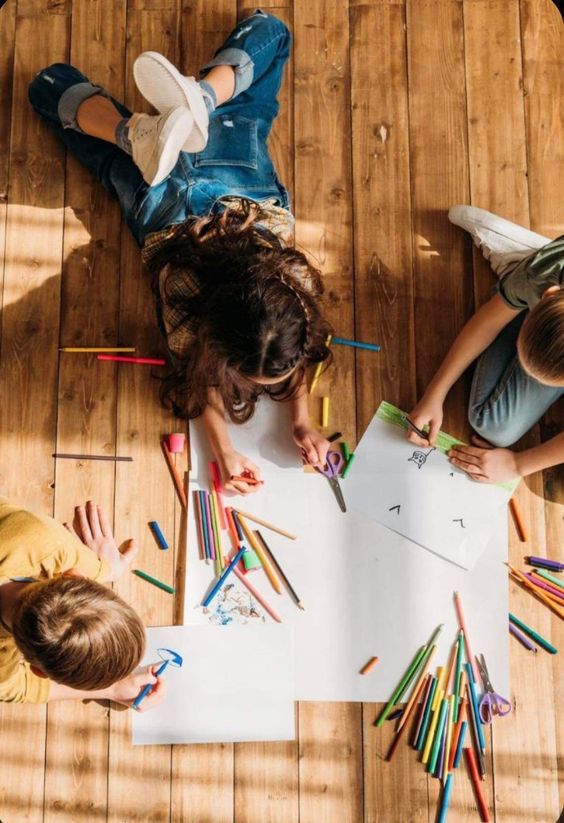
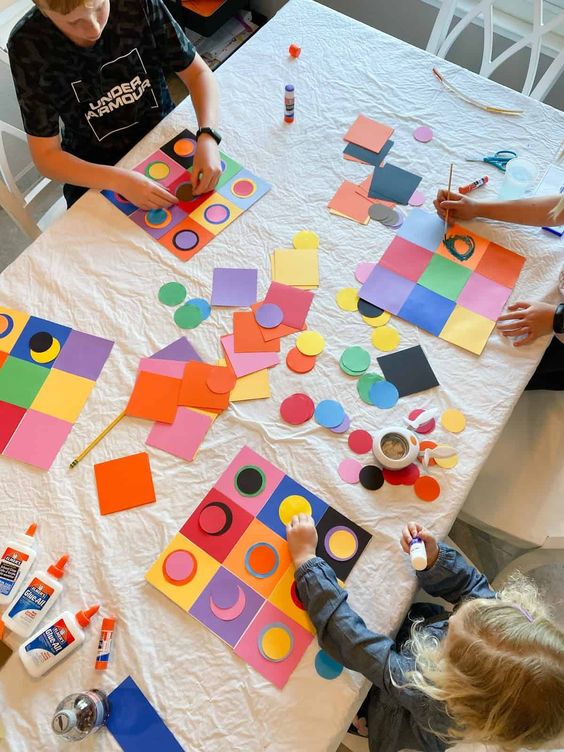
- Provide Access to Art Supplies: Create a dedicated art space in your home stocked with a variety of art supplies, including crayons, markers, paints, paper, and clay. Encourage your child to explore different mediums and experiment freely.
- Encourage Creativity: Avoid imposing strict rules or expectations on your child’s artistic endeavors. Instead, encourage creativity and imagination by allowing them to explore and express themselves freely without fear of judgment.
- Lead by Example: Engage in artistic activities yourself and demonstrate your passion for the arts. Whether it’s sketching in a notebook, playing a musical instrument, or attending a local art exhibition, show your child that creativity is valued and celebrated in your family.
- Expose Your Child to Various Art Forms: Introduce your child to a diverse range of artistic experiences, including visual arts, music, theater, dance, and literature. Attend art classes, workshops, performances, and museum outings together to spark their curiosity and inspire their creativity.
- Celebrate Your Child’s Artwork: Display your child’s artwork proudly in your home and celebrate their creative achievements. Provide positive feedback and encouragement, focusing on the process rather than the final product, to foster a sense of pride and accomplishment.
- Support Their Interests: Pay attention to your child’s interests and passions, and support their artistic pursuits wholeheartedly. Whether they’re drawn to painting, writing, acting, or playing an instrument, encourage them to explore their talents and express themselves authentically.
Conclusion:
The arts play a pivotal role in children’s development, fostering creativity, imagination, and self-expression. By encouraging your child to engage in artistic activities and providing them with opportunities to explore and express themselves creatively, you empower them to unleash their potential and cultivate a lifelong love for the arts. Embrace the beauty and richness of artistic expression in your child’s life, and watch as they flourish and thrive creatively.

You may also like
Why Do We Yell at Our Children Even When We Don’t Want To?
Many parents ask themselves this question after an emotional moment: Why did I yell, even though I wanted to stay calm? The truth is, yelling is often not a conscious decision. It is a reaction that comes out faster than …
Practical Steps to Build a Child’s Self-Confidence at Home and School
A child’s self-confidence is not built through words alone, nor does it grow from quick praise or motivational phrases. It develops through repeated daily experiences the child lives at home and at school. Every small success, every mistake met with …
How Do I Know If the Problem Is My Child’s Self-Confidence Rather Than Their Behavior?
Many parents find themselves confused when facing their child’s behavior. Is the child being stubborn? Spoiled? Or does the behavior truly require discipline? Sometimes, however, the issue is not the behavior itself, but the child’s self-confidence. The difference is subtle, …