
Essential Tips for Caring for Your Child’s Health at Home
- Posted by Marketing L2S
- Categories Kids At Home
- Date March 27, 2024
- Comments 0 comment
As a parent, ensuring the health and well-being of your child is a top priority. While medical professionals play a crucial role in your child’s health care, there are many simple yet effective steps you can take at home to promote their overall health and prevent illness. This article provides practical tips and guidelines for basic child health care at home, empowering parents to take an active role in their child’s well-being.
1. Maintain a Healthy Lifestyle:
Encourage your child to adopt healthy habits from a young age. This includes eating a balanced diet rich in fruits, vegetables, whole grains, and lean proteins. Limit sugary snacks and beverages, and promote regular physical activity to keep your child’s body strong and healthy.
2. Ensure Adequate Sleep:
Establish a consistent bedtime routine to help your child get enough sleep each night. Adequate sleep is essential for growth, development, and overall well-being. Create a calm and comfortable sleep environment free from distractions, such as electronic devices, to promote restful sleep.
3. Practice Good Hygiene:
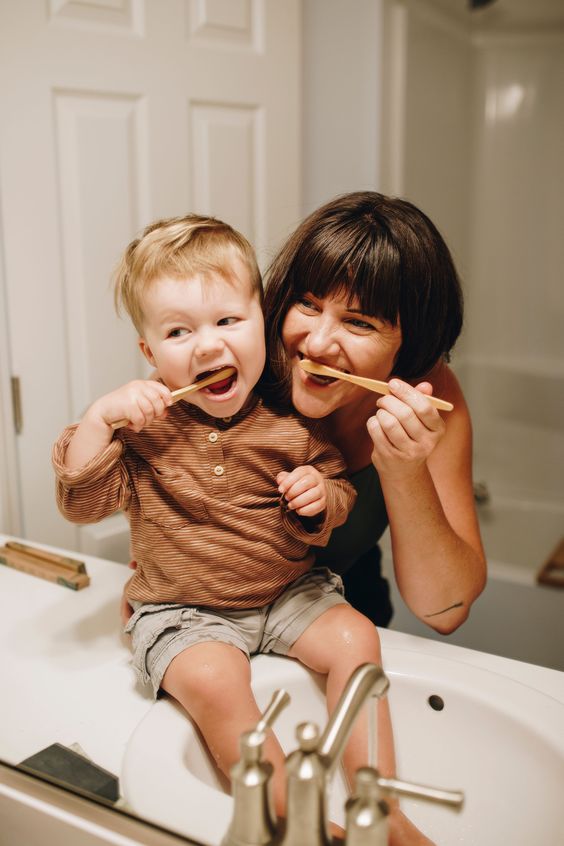
Teach your child the importance of good hygiene habits, such as regular handwashing with soap and water. Encourage proper dental care by brushing and flossing teeth daily. Teach your child to cover their mouth and nose when coughing or sneezing to prevent the spread of germs
4. Stay Up-to-Date on Vaccinations:
Ensure your child receives all recommended vaccinations according to the schedule provided by your healthcare provider. Vaccinations are a safe and effective way to protect your child from serious and potentially life-threatening diseases.
5. Monitor Your Child’s Health:
Pay attention to any changes in your child’s health or behavior and seek medical attention if you have concerns. Keep track of your child’s growth and development milestones, and schedule regular check-ups with their pediatrician for routine screenings and assessments.
6. Create a Safe Environment:
Childproof your home to prevent accidents and injuries. Install safety gates, secure heavy furniture and appliances, and keep hazardous substances out of reach. Supervise young children closely, especially around water, stairs, and potentially dangerous objects.
7. Manage Stress and Mental Health:
Support your child’s emotional well-being by creating a nurturing and supportive environment at home. Encourage open communication and provide opportunities for your child to express their feelings. Teach stress management techniques, such as deep breathing exercises or mindfulness activities, to help your child cope with stress and anxiety.
8. Foster Healthy Relationships:
Encourage positive social interactions and friendships to support your child’s emotional and social development. Teach empathy, kindness, and respect for others, and model healthy communication and conflict resolution skills in your interactions with your child and others.
9. Be Prepared for Emergencies:
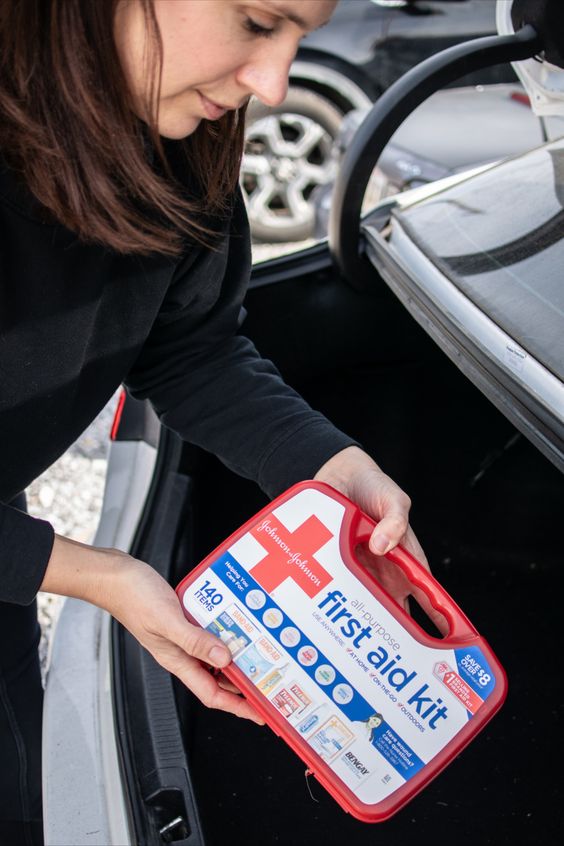
Keep a well-stocked first-aid kit at home and familiarize yourself with basic first-aid procedures for common childhood injuries and illnesses. Know when to seek emergency medical care and have important contact numbers, including your child’s pediatrician and local emergency services, readily available.
10. Lead by Example:
As a parent, your actions speak louder than words. Lead by example by practicing healthy habits yourself and demonstrating the importance of self-care and prioritizing health and well-being. Your positive influence will inspire your child to adopt healthy behaviors and make informed choices about their health.
Conclusion:
Caring for your child’s health at home is an ongoing commitment that requires attention, patience, and love. By following these basic guidelines and integrating healthy habits into your family’s daily routine, you can create a supportive environment that promotes your child’s physical, emotional, and social well-being. Remember that you are your child’s greatest advocate and role model, and your efforts to prioritize their health will lay the foundation for a lifetime of wellness.

You may also like
Why Do We Yell at Our Children Even When We Don’t Want To?
Many parents ask themselves this question after an emotional moment: Why did I yell, even though I wanted to stay calm? The truth is, yelling is often not a conscious decision. It is a reaction that comes out faster than …
Practical Steps to Build a Child’s Self-Confidence at Home and School
A child’s self-confidence is not built through words alone, nor does it grow from quick praise or motivational phrases. It develops through repeated daily experiences the child lives at home and at school. Every small success, every mistake met with …
How Do I Know If the Problem Is My Child’s Self-Confidence Rather Than Their Behavior?
Many parents find themselves confused when facing their child’s behavior. Is the child being stubborn? Spoiled? Or does the behavior truly require discipline? Sometimes, however, the issue is not the behavior itself, but the child’s self-confidence. The difference is subtle, …