• Home
  • About Us
    • About Us
    • Our Services
    • Our Team
    • Our Vision
    • Portfolio
  • Courses

    About Courses

    • Blog
      • Montessori Books

    New Course

    How to do finger puppets

    How to do finger puppets

    500
    EGP
    Read More
  • Events
  • Blog
    • Child & Skills
      • Fear & Anxiety
      • Bad Habits
      • sleeping problems
      • School problems
      • Bladder & Bowels
      • Speech & Conversation
      • Behavior problems
      • Attention Difficulties
      • Eating & Weight
      • Unhappy Child
      • unacceptable behavior
      • Bullying
      • Psychiatric Diagnosis
      • Other Problems
      • Kids skills Steps: Getting Started
      • Kids skills Steps: Building skills
      • Kids skills Steps: making it fun
      • Kids skills Steps: reinforcing learned skills
      • True Story
    • Montessori in the Arab World
      • Montessori at home
      • Montessori at school
    • Life Skills
      • Social
        • The Volunteer’s Guide 1: The Essence of Volunteering
        • The Volunteer’s Guide 2: What makes volunteering unique 1
        • The Volunteer’s Guide 2: What makes volunteering unique 2
        • The Volunteer’s Guide 3: Types of volunteering
        • The Volunteer’s Guide 4: How to Get Started?
        • The Volunteer’s Guide 5: Choosing where to volunteer
        • The Volunteer’s Guide 6: Am i Being used?
        • The Volunteer’s Guide 7: what to expect?
        • The Volunteer’s Guide 8: What is expected of me?
        • The Volunteer’s Guide 9: what can i do in Love2Serve4All?
        • International Women’s Day: Empowering Girls Through Education:
        • Youth Empowerment: Fostering Leadership and Initiative
      • Mental
        • Reset
        • Holiday Stress: Your Guide to Managing and Enjoying the Season
        • A Year in Retrospect: Reflection on 2023
        • Navigating the Holidays with Grace: Setting Boundaries for a Joyful Season
        • Embracing Self-Love: A Valentine’s Day Guide
      • Skills
        • The year is ending? How to achieve my goals in the last 4 months
        • How to create a to do list
        • 101 Guide to Crafting a Personal Budget
        • A Vision for the Future: Setting Your Personal Goals for 2024
        • Achieving Your Dreams: A Step-by-Step Guide to Conquering Your Goals in 2024
        • The Power of Journaling: A Beginner’s Guide to Self-Discovery and Personal Growth
      • Health
        • Winter Wellness: Your Guide to Flu and Cold Prevention
    • Kids At Home
      • Movie Night Guide: The sorcerer’s Elephant
      • Reading with your child
      • Navigating Family and Social Gatherings with Kids: Tips to Overcome Challenges
      • Movie Night Guide: “The Christmas Carol”
      • Cooking with Kids: A Recipe for Fun in the Kitchen
      • Ringing in the New Year with Little Ones: A Guide to Celebrating New Year’s Eve with Your Child
      • Love for Learning: Valentine’s Day Special:
    • Kids At School
      • How to help a child develop independent study skills
      • Managing back-to-school anxiety
      • Setting up a back-to-school morning routine for your child
      • Social-Emotional Learning: Nurturing Emotional Intelligence in Students:
      • International Day of Happiness: Cultivating Positive Learning Environments:
  • Shop
    • Books
      • Children’s Books
      • For Children & Parents
      • Montessori Books
      • Parenting & Relationship
      • Self Help
      • Teens & Young Adults
      • Education & Reference
      • Montessori Education
        • Montessori Activities
        • Montessori Books
        • Montessori Materials
      • Educational Programs
      • Schools & Teaching
  • News
  • Features
    • Timetable
    • Gallery
    • Blogs’ Gallery
    • FAQs
    • MY ACCOUNT
  • Contact
  • Register Now
    • Registration
    • Login
Have any question?
(02) 0127 293 5708
info@love2serve4all.org
  • English
    • العربية
Love2Serve4All
  • Home
  • About Us
    • About Us
    • Our Services
    • Our Team
    • Our Vision
    • Portfolio
  • Courses

    About Courses

    • Blog
      • Montessori Books

    New Course

    How to do finger puppets

    How to do finger puppets

    500
    EGP
    Read More
  • Events
  • Blog
    • Child & Skills
      • Fear & Anxiety
      • Bad Habits
      • sleeping problems
      • School problems
      • Bladder & Bowels
      • Speech & Conversation
      • Behavior problems
      • Attention Difficulties
      • Eating & Weight
      • Unhappy Child
      • unacceptable behavior
      • Bullying
      • Psychiatric Diagnosis
      • Other Problems
      • Kids skills Steps: Getting Started
      • Kids skills Steps: Building skills
      • Kids skills Steps: making it fun
      • Kids skills Steps: reinforcing learned skills
      • True Story
    • Montessori in the Arab World
      • Montessori at home
      • Montessori at school
    • Life Skills
      • Social
        • The Volunteer’s Guide 1: The Essence of Volunteering
        • The Volunteer’s Guide 2: What makes volunteering unique 1
        • The Volunteer’s Guide 2: What makes volunteering unique 2
        • The Volunteer’s Guide 3: Types of volunteering
        • The Volunteer’s Guide 4: How to Get Started?
        • The Volunteer’s Guide 5: Choosing where to volunteer
        • The Volunteer’s Guide 6: Am i Being used?
        • The Volunteer’s Guide 7: what to expect?
        • The Volunteer’s Guide 8: What is expected of me?
        • The Volunteer’s Guide 9: what can i do in Love2Serve4All?
        • International Women’s Day: Empowering Girls Through Education:
        • Youth Empowerment: Fostering Leadership and Initiative
      • Mental
        • Reset
        • Holiday Stress: Your Guide to Managing and Enjoying the Season
        • A Year in Retrospect: Reflection on 2023
        • Navigating the Holidays with Grace: Setting Boundaries for a Joyful Season
        • Embracing Self-Love: A Valentine’s Day Guide
      • Skills
        • The year is ending? How to achieve my goals in the last 4 months
        • How to create a to do list
        • 101 Guide to Crafting a Personal Budget
        • A Vision for the Future: Setting Your Personal Goals for 2024
        • Achieving Your Dreams: A Step-by-Step Guide to Conquering Your Goals in 2024
        • The Power of Journaling: A Beginner’s Guide to Self-Discovery and Personal Growth
      • Health
        • Winter Wellness: Your Guide to Flu and Cold Prevention
    • Kids At Home
      • Movie Night Guide: The sorcerer’s Elephant
      • Reading with your child
      • Navigating Family and Social Gatherings with Kids: Tips to Overcome Challenges
      • Movie Night Guide: “The Christmas Carol”
      • Cooking with Kids: A Recipe for Fun in the Kitchen
      • Ringing in the New Year with Little Ones: A Guide to Celebrating New Year’s Eve with Your Child
      • Love for Learning: Valentine’s Day Special:
    • Kids At School
      • How to help a child develop independent study skills
      • Managing back-to-school anxiety
      • Setting up a back-to-school morning routine for your child
      • Social-Emotional Learning: Nurturing Emotional Intelligence in Students:
      • International Day of Happiness: Cultivating Positive Learning Environments:
  • Shop
    • Books
      • Children’s Books
      • For Children & Parents
      • Montessori Books
      • Parenting & Relationship
      • Self Help
      • Teens & Young Adults
      • Education & Reference
      • Montessori Education
        • Montessori Activities
        • Montessori Books
        • Montessori Materials
      • Educational Programs
      • Schools & Teaching
  • News
  • Features
    • Timetable
    • Gallery
    • Blogs’ Gallery
    • FAQs
    • MY ACCOUNT
  • Contact
  • Register Now
    • Registration
    • Login

Behavior problems

Home » Blog » Aggressive Behaviour

Aggressive Behaviour
  • Posted by AreeJ
  • Categories Behavior problems, Blog, unacceptable behavior
  • Date July 1, 2020
  • Comments 0 comment
Aggressive Behaviour

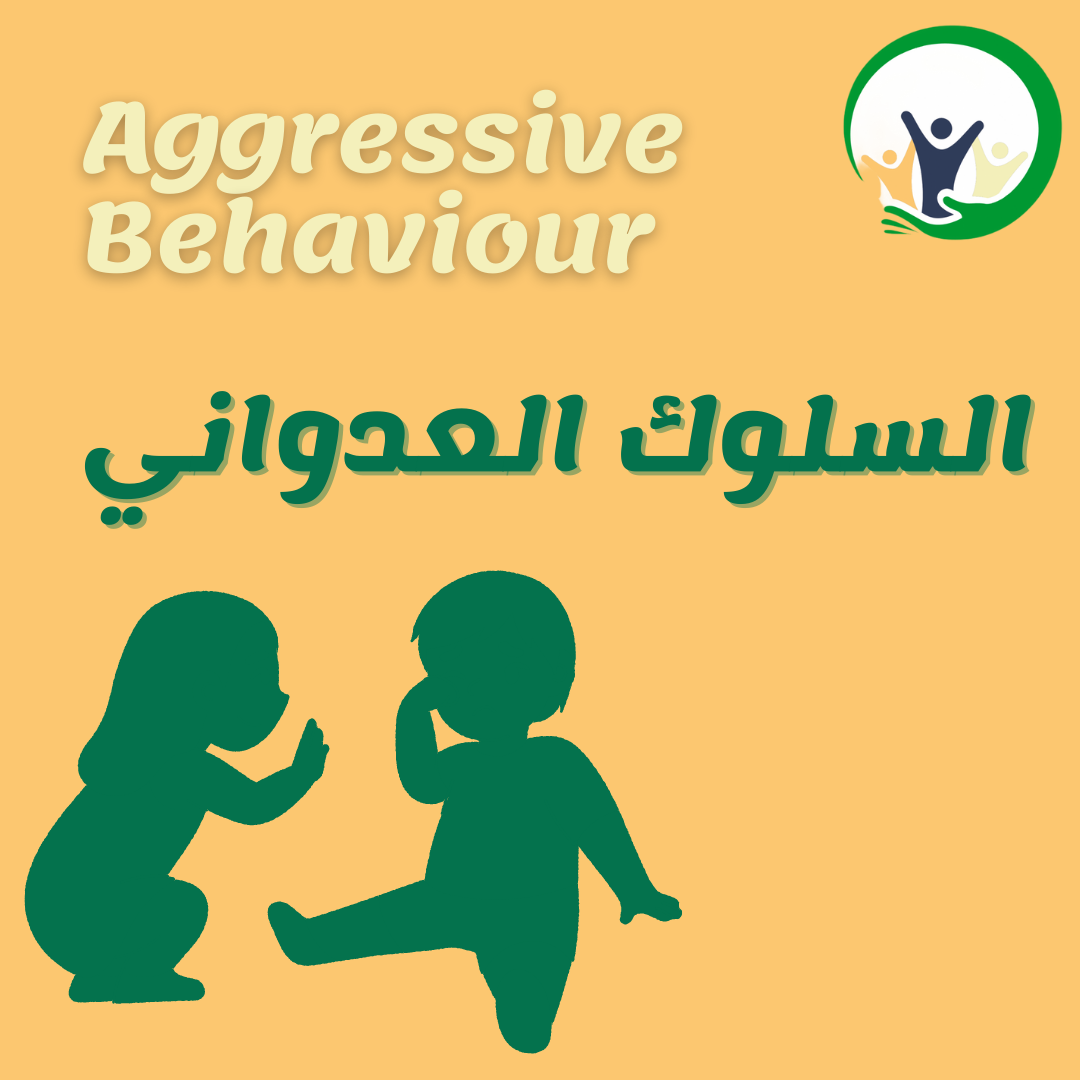
Aggressive behaviour means children behaving aggressively towards other children or adults by hitting, shoving, scratching or spitting, or by throwing things at them.

Aggressive behaviour is unacceptable and adults should therefore help children learn to modify such behaviour. One way to understand aggressive behaviour in children is to think that it happens because the child has not yet learned to handle feelings of anger and disappointment in a more mature manner.

Responding in a more mature way to anger and disappointment is a behavioural skill that can be learned with the help of Kids’Skills.

The skill of telling an adult

A four-year-old girl had the bad habit of hitting other children in kindergarten. Her teacher said: “When you become angry, you must not hit other people. I have a suggestion for you. Whenever you get angry and feel like hitting someone, rather than doing that, come to me and tell me you’re angry. Together, we’ll work out what to do about it. What do you think? Would you like to learn to do that? I think you’d make many new friends and have more fun here.” The child understood that learning to do what was suggested would benefit her and the Kids’Skills steps were used to help her learn the new skill

Learning the skill of apologising helps children overcome aggressive behaviour, but it’s important to understand that apologies only work when they are made sincerely and in an appropriate manner. To discover more about the power of apology, read the section titled ‘Alternative to punishment’.

The skill of letting other children come close

A six-year-old boy hit and kicked other children in kindergarten. The problem was so severe that he had been removed from his original group and placed in a special needs group. The teacher met his mother to agree on which skill her son should learn in order to stop him attacking other children. Because the boy’s aggressive outbursts seemed to come out of the blue – he would hit or kick other children without any apparent reason just because they happened to be nearby – they concluded that he needed to learn the skill of allowing other children to come close. He practised this skill in the kindergarten and his aggressive behaviour gradually ceased.

A better response

An eight-year-old boy attended a special school where the Kids’Skills steps are in regular use. He had the bad habit of losing his temper and attacking other children. It was a serious problem as the parents of some other pupils had demanded that the boy be expelled. The school principal talked to him about how he was behaving, saying “As you know, you’re not allowed to hit other pupils in this school. If you do, you won’t be able to keep coming here. If something makes you angry, you need to learn to do something other than hitting. You cannot hit others, but you could do something else that will help you calm down. What could that be? What would help you cool down?” The boy thought about it and came up with the idea that in the heat of the moment, rather than hitting people, he could run into the nearby music room and beat the big cushions that were there.

“Show me how you would do that” said the principal. “Let’s pretend you’re mad at me right now and, instead of hitting me, you run into the music room.” The boy did as suggested and ran at full speed into the music room to batter the cushions. The principal then said “That could work, but to make sure you remember to do this in real-life situations, you’ll need plenty of practice.” On the same day, the boy showed his new anger-response to his teacher, then to other staff and finally to his classmates. He also showed it to his parents after school when they came to pick him up. Showing the new response to others gave him several opportunities to practice this new behaviour pattern. His teacher and his classmates also agreed with the boy that they would remind him to use the new response whenever they noticed he was on the verge of losing his temper.

During the course of that semester, the boy ran into the music room to batter the cushions many times, but never again hit or kicked any of the other pupils

Apologising

A six-year-old girl had the habit of hitting other children in kindergarten. She had been told to stop doing this on many occasions and knew full well that it was both wrong and forbidden. Her teachers had taught her to apologise to the children that she hit and she had become good at doing this. She continued hitting others but was always ready to apologise afterwards to those she had struck. She had even learned to ask her victims if there was anything she could do to make up for her misdemeanour.

When the kindergarten teachers were brainstorming what more they could do to help her, they came up with the idea of asking the hitter to apologize, not only to the children she hit but also to each child’s parents. The teachers presented this idea to the girl’s father as he was the adult who usually picked her up at the end of each school day. The father accepted the proposal even though he understood that there could be times when he would have to stay and wait with his daughter for the parents of the affected child to arrive to pick up their son or daughter. Over the next two weeks, the girl apologised several times, to both the child she had hit and the child’s parents. It’s worth noting that on most occasions when the hitter apologized to the parents of children she had hit, her father was present as a witness. This small but significant change in the way the girl apologised lead to positive change in just two weeks.

Learning the skill of apologising helps children overcome aggressive behaviour, but it’s important to understand that apologies only work when they are made sincerely and in an appropriate manner. To discover more about the power of apology, read the section titled ‘Alternative to punishment’.

Self-control

Self-control is a skill that all children benefit from acquiring. Small children seldom exhibit self-control – they cry, shout, hit, kick and throw things whenever they are frustrated. As they grow and mature they learn self-control – the skill of reacting in more mature ways to feelings of anger and disappointment – by, for example, expressing their rage in words, talking with an adult about their disappointment, or responding in some other way that helps them avoid aggressive expressions of anger. If a child has difficulty learning to control their behaviour, take time with them to discuss which skill or skills they need to acquire in order to avoid hitting out or kicking someone, then help them learn those skills with the help of Kids’Skills.

Synopsis

If a child behaves aggressively towards other children and prohibiting, explaining, punishment and threatening the child with severe consequences does not help, take time to discuss the skills he should learn in order to overcome his aggressive behaviour. The skill that will help him depends on the child. Possible skills include techniques for calming down, leaving the scene and telling an adult what has happened, or doing something completely different such as counting to ten or pushing the hands deep into his pockets.

Make sure the child fully participates in discussing what could help him control their temper, and make sure he has plenty of opportunities to practice the skill he decides to learn.

This article is owned by: Kids’Skills http://www.kidsskillsapp.com/
  • Share:
author avatar
AreeJ

Previous post

Temper Tantrums
July 1, 2020

Next post

Biting
July 1, 2020

You may also like

Does Striving for a “Perfect Child” Harm the Child’s Psychology?
29 April, 2026

1. Linking Self-Worth to Achievement When parents focus solely on top grades or perfectly disciplined behavior, the child begins to form an internal conviction that their value as a human being depends only on what they achieve, not who they …

Why Doesn’t Your Child Listen to You?
31 March, 2026

Many parents find themselves in a frustrating situation: they repeat themselves multiple times, sometimes even yell, yet the child still doesn’t listen. The question is: is the problem with the child, or with the way we communicate? The truth is, …

A Child’s Self-Confidence: How It Is Built at Home Before School
12 March, 2026

Many parents believe that a child’s self-confidence begins when they start school or when they achieve academic success or learn a clear skill. However, the truth is that the foundations of confidence begin much earlier, inside the home, through small …

Leave A Reply Cancel reply

Your email address will not be published. Required fields are marked *

Search

Categories

  • Attention Difficulties
  • Bad Habits
  • Behavior problems
  • Bladder & Bowels
  • Blog
  • Bullying
  • Child & Skills
  • Child, Family, and school
  • Child’s Struggles
  • Dealing with emotions
  • Eating & Weight
  • education&community
  • Everyday life
  • Fear & Anxiety
  • Feelings & emotions for Child
  • For child
  • For Teen
  • Health
  • Health talk for Child
  • Healthy World
  • Home schooling
  • How to Start
  • Journey with the problem
  • Kids At Home
  • Kids At School
  • Kids skills Steps: Building skills
  • Kids skills Steps: Getting Started
  • Kids skills Steps: making it fun
  • Kids skills Steps: reinforcing learned skills
  • Life Skills
  • M.Montessori and philosophy
  • Me & My Child
  • Mental
  • Montessori in the Arab World
  • Olympiad
  • Other Problems
  • People and relationships for Child
  • Psychiatric Diagnosis
  • Relationships & Feelings
  • Relationships with parents
  • School life
  • School problems
  • Signs & meanings
  • Skills
  • sleeping problems
  • Social
  • Speech & Communication
  • Speech & Conversation
  • Sport
  • True Story
  • Types of Problems
  • unacceptable behavior
  • Uncategorized
  • Unhappy Child
  • What is Montessori method?
logo-eduma-the-best-lms-wordpress-theme

(02) 0127 293 5708

info@love2serve4all.org

Company

  • About Us
  • Meet our Team
  • Our Services
  • Become a Teacher
  • Contact

Products

  • Courses
  • Shop Page
  • Events
  • Gallery
  • Blogs’ Gallery
  • Membership

Terms

  • Terms of Service
  • Privacy Policy
  • Shipping and Return
  • Jobs and Internships
  • Sitemap

Recommend

  • Sleep Well
  • Apologizing
  • Divorce
  • Bedwetting
  • Being Late

Education Web Site by love2serve4all Powered by love2serve4all.

  • Terms of Service
  • Privacy Policy
  • Shipping and Return
  • Jobs and Internships
  • Sitemap