
Picky or Fussy Eating
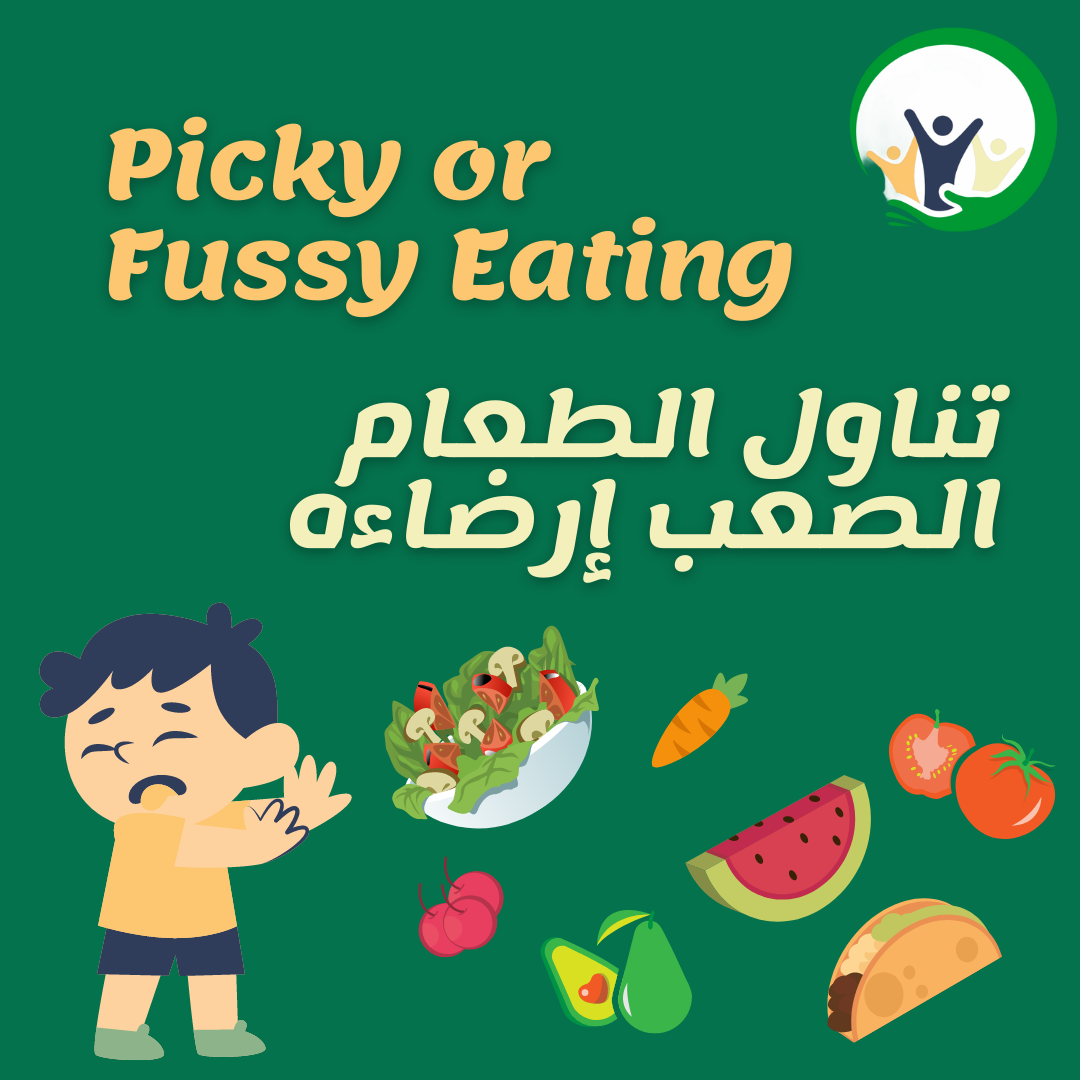
This means children who are picky fussy about the types of food they agree to eat. They may, for example, refuse to eat any vegetables, or agree to eat only a small selection of food types, refusing everything else. Usually this problem fades as children grow and only rarely is it so serious that it interferes with their growth and physical maturation. In most cases, a fussy eater is some sort of burden for their family. As well as being a source of worry for their parents, it makes mealtimes challenging.
What is the cause?
A common assumption is that this problem results from parents being too permissive and ready to accommodate a child’s whims. Another way of understanding the problem is to acknowledge that almost all children are innately suspicion of new types of food and some children have this naturally-occurring reservation to a higher degree.
To make the tasting of new foods fun, make it into a game. For example, give your child a jewel for every type of new food they taste successfully, and then reward them when they’ve succeeded in collecting a given number of jewels.
It’s just a phobia
This way of thinking leads us to view fussy eating as a form of fear or phobia – children are afraid of putting specific foodstuffs into their mouths because they’re afraid they will experience some kind of unpleasant sensations such as a bad taste, or perhaps even a gag response. The problem should then be handled in a way similar to those you would use to help a child overcome other kinds of fears.
With Kids’Skills, we help children overcome fears by avoiding the ‘fear’ word and talking instead about developing braveries or learning skills. Shifting the way you think and speak about a problem allows you to use the Kids’Skills steps to help a child overcome their problem and expand the range of foods they are happy to eat.
Small steps
Developing braveries, just like learning new skills, is easiest for children when small steps are made in a collaborative venture that fully involves them. They could, for example, begin by simply tasting one new food type every day, or even by just imagining eating a particular type of food.
To make the tasting of new foods fun, make it into a game. For example, give your child a jewel for every type of new food they taste successfully, and then reward them when they’ve succeeded in collecting a given number of jewels.
Another game
As I write this, I’m remembering the time when our daughters were small and we sometimes played a fun tasting game with them and their friends. When eating together, we would all put a spoonful of some type of food into our mouths and pretend, with plenty of exaggeration, that it tasted really awful. Then we would put another spoonful of exactly the same food into our mouths and again pretend, in an equally exaggerated manner, that it was the yummiest taste in the world. We did this over and over again with different types of food, pretending they were either horrible or yummy with each alternate spoonful. We were of course just having fun, but crazy games like this can help children achieve some distance from the tendency to develop aversions to strange food types.
Possible skills:
The courage to taste different types of food
– the skill of eating a variety of foods
– vegetable bravery
– getting familiar with more food types
– the skill of using imagination to overcome food fears
– the skill of trying out new tastes
This article is owned by: Kids’Skills http://www.kidsskillsapp.com/
