Perfectionism
Perfectionism
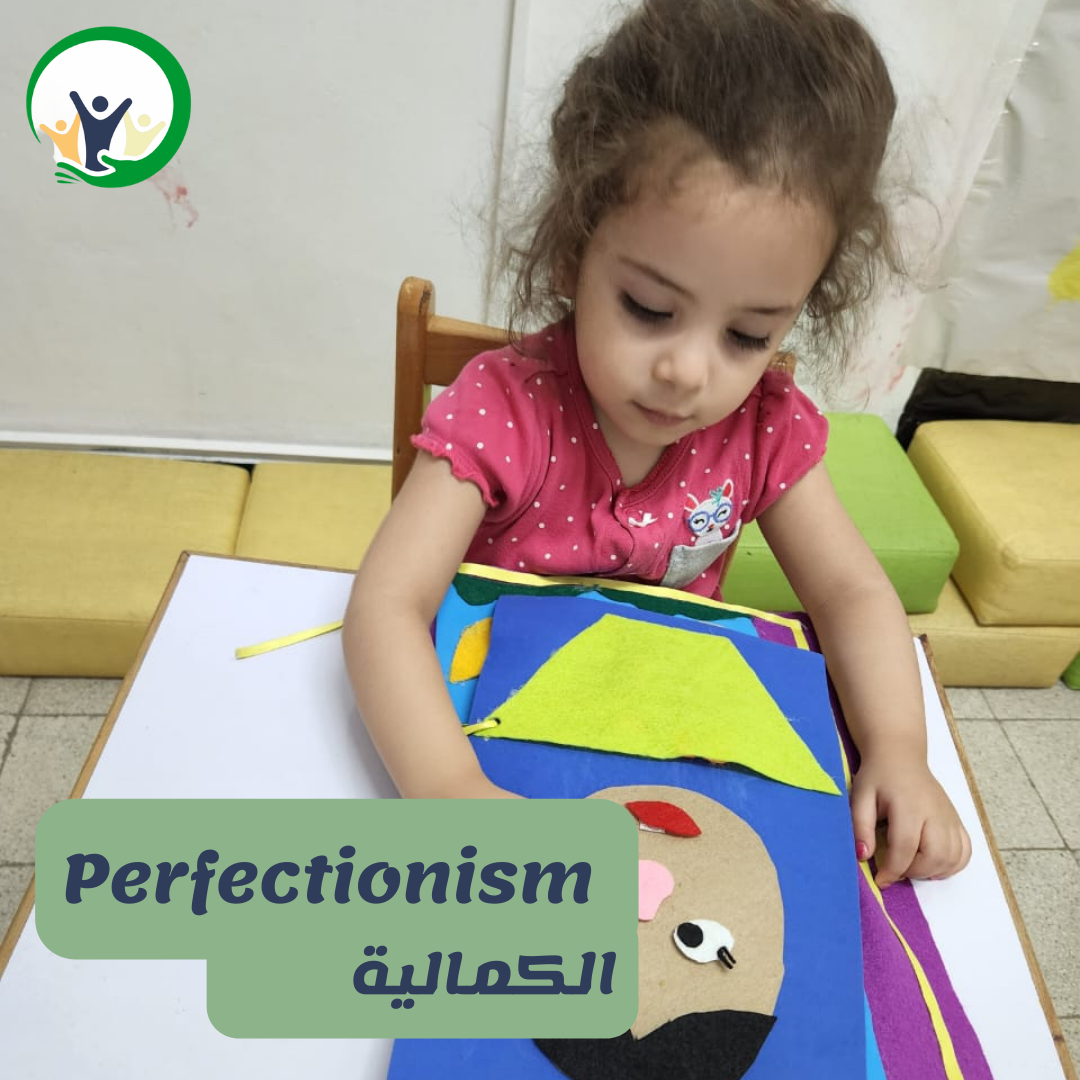
Perfectionism means that the child strives to be perfect and cannot tolerate not succeeding in what they do. As a result of their perfectionism, the child becomes easily frustrated, anxious or angry when they fail to live up to their own unreasonable expectations. In those situations they often scold themselves by saying things like: ”I cannot do anything” ”I am dumb” ”I am no good” ”I’ll never learn”.
How to think
It is often thought that perfectionism is an inherited character trait. It may, however, be more useful to think of it as simply lack of the ability to tolerate mistakes, imperfection, blunders, and failures – an important life-skill that contributes to happiness and well being.
It is often thought that perfectionism is an inherited character trait. It may, however, be more useful to think of it as simply lack of the ability to tolerate mistakes, imperfection, blunders, and failures – an important life-skill that contributes to happiness and well being.
How to practice
You can use Kids’ Skills to help a child become better at dealing with failures. The idea is to help the child learn a better way of responding to failures. The skill for the chlld to learn could be, for example, to be able to say to themselves, something along the lines of ‘nevermind’ or ‘no worries’ in situations where they feel that they have failed.
There are many ways to practice such a skill. You can, for example, play a game where you take turns failing with something that is difficult to do, and then practice responding by smiling and saying something the child finds funny such as “crap happens” or “who cares”. By playing such games together with your child, you can add to the child learning by modelling various good responses to your child.
Skills Suggested
- the skill to laugh at one’s mistakes
- the ability to do mistakes deliberately
- the skill to swiftly lighten up after failure, for example, by saying to oneself something along the lines of, ‘never mind’, ‘no worries’, ‘you win some, you lose some’, or ‘could have been worse’.
This article is owned by: Kids’Skills http://www.kidsskillsapp.com/