
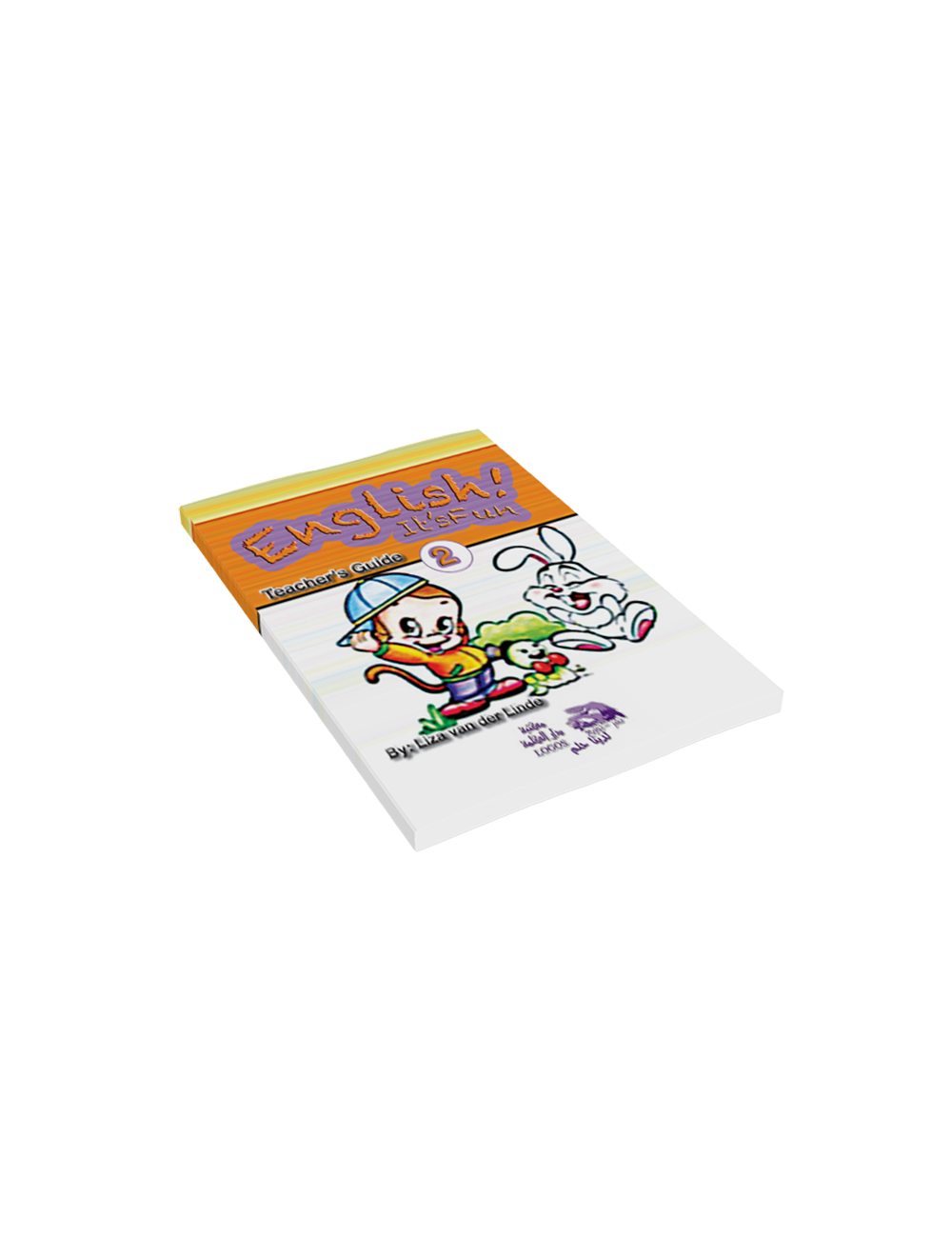
The right guidance of the children is the secret to teach them a second language.Always be encouraging to the children. The child learns a second language, which he is not familiar with. Therefore he needs to hear the word many times before he will start speaking. He might be shy to say a word or a sentence and still understand a lot. So do not worry if a child doesn’t talk over the first months. Singing songs is part of learning a language, even a very important part especially when it is a song with actions. Smile and praise the child, whatever the outcome of the lesson is.
Guidelines for teaching English as a second language to young children
Change your activities every 5 minutes
Young children need variety as they get board easily
They have a short attention span
Change the speed during the lesson, have quick and loud games and slow and quiet ones. Children should not be over stimulated and become over-excited.
Use many games and repeat them. Review vocabulary they have learned earlier in the year. If you neglect this, the children will forget them.
The lesson should be full of physical movement. Then the children will enjoy the lesson and be more motivated and remember the language better
Avoid competition between the children! Play games where all children win or where you simply don’t talk about a winner.
Use chants, songs, rhymes even more than what is suggested in the program. Ask the children to bring puppets and bears to school and speak English with them.
The children are still coming out of their ego-centric period, which means that the child should learn through experience. So mostly the words are chosen from the direct environment of the child.
All above mentioned guidelines are cared for during the set up of this program, thus it is a ticket to have fun with the children and to be flexible in your teaching! Enjoy it!
Simple Overview of the Program
The program contains twelve units:
1. My body
2. My classroom
3. My playroom
4. My family
5. Animals around the house
6. My favourite food
7. My cloths
8. At my home
9. Nature around us
10. At the Zoo
11. My fruit
12. My beach
Each unit exists out of eight lessons, which are taught over two week ( each week four days):
Day 1 – First touch with the theme
Day 2 – Practicing through games and songs ( from unit 4 on: learning a letter)
Day 3 – Continuation of activities and games and activity book
Day 4- Craft time
Songs
Singing is fun! Children love it and learn a lot by doing it, especially when they also practice actions while singing ( or listening to the song)
Even though that the teachers guide contains songs for each unit, it is advisable that the teacher looks for more songs on the youtube channel on the internet.
Search with google for: toddlers easy songs my body ( the theme you want to song to be about).It will lead you to many other websites, which have funny children songs like
www. love2learn.com
www. bussongs.com
Download the songs on your computer and use them during your lesson and at other moments.This is a cheap and easy way to find regularly new- up- to- date songs for the children.There are many easy songs, which will help the children to learn the language faster. Also the teacher can encourage the families to listen to these songs to reinforce learning English at home.
Funny singing
Singing a song can be done in different ways. When the children know the song, make a game of it.
1. Sing the song very loud and the second time very soft.
2.Sing the song quickly the first time and the second time very slowly.
3. Walk while singing the song , each word a step
4. Do the actions, and hum hum the song.
5. Sing the song in your head and do the actions.
Craft time
Each fourth lesson of each week is a craft lesson. Even-though the teacher can follow the idea written in the lesson she also can look for a craft which is slightly different but serves the same aim . Look on the internet and search on google or another search engine:
– images – toddlers craft ideas
– images – preschool craft ideas
Then add one of the following words according to the technique and materials you want to use::toilet roles, paper plates, finger puppet, tearing paper, folding, paining, fabrics scraps, matchbox, stick, paperAlways care that the craft, which you choose to be done by the children, is on such a level that all children can work with it independently!



Reviews
There are no reviews yet.