Fears & Phobias
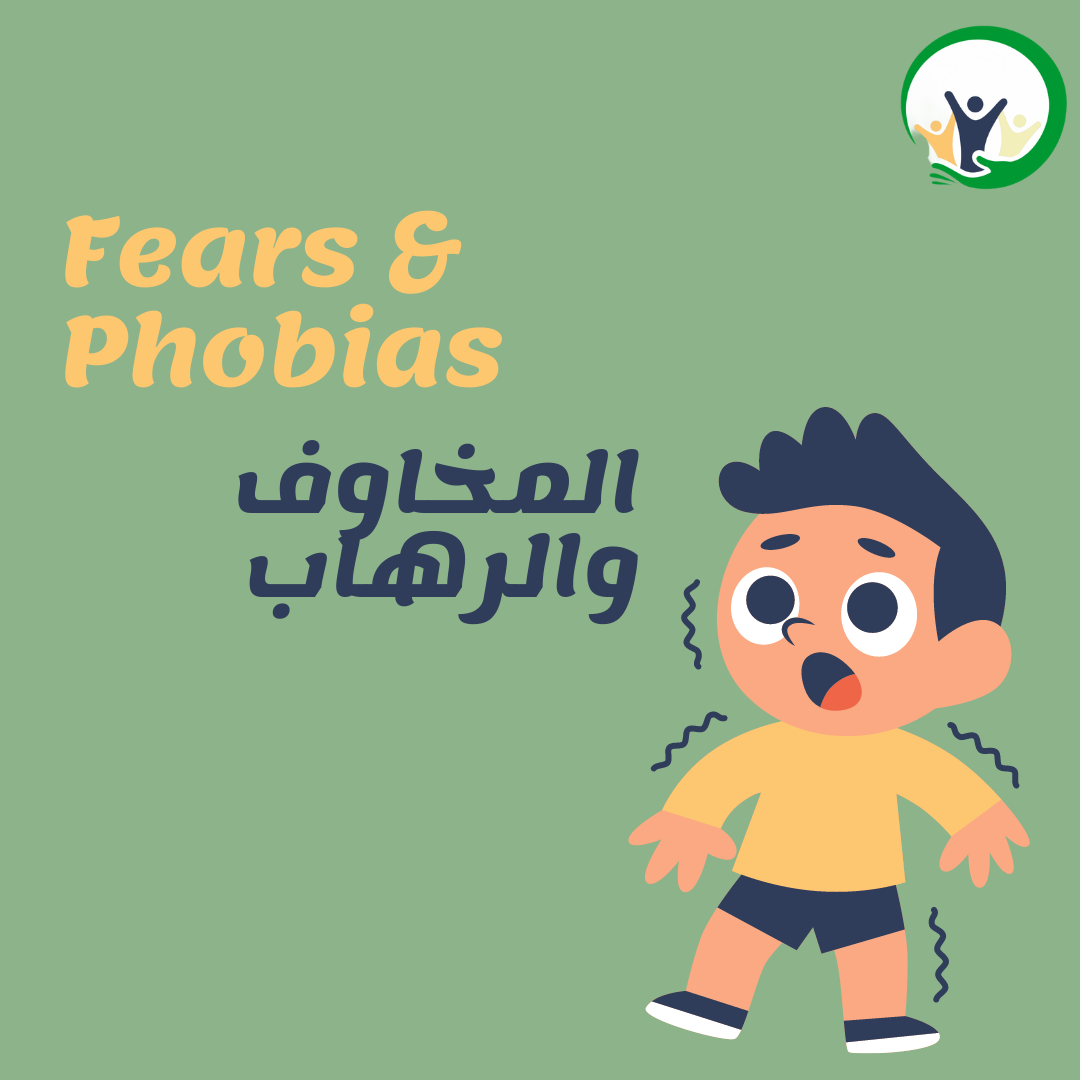
A wide variety of fears are commonplace in children. In a similar way to adults, children can also develop a fear of just about anything. Common items that children are afraid of include insects, dogs, cats, darkness, getting lost, and high places. They can also fear blood, injections, dental treatment, vomiting, ghosts, burglars, drunkards, or they can be afraid that something awful will happen to their parents. Our imaginations are the only limit on things that we can fear.
Fears are part of everyday life. Our brains are built in such a way that the fear response is easily triggered. Once it has been triggered, it has a tendency to persist if you do not take deliberate action to overcome it.
Overcoming Fears
Whatever fear your child has, you can always help them overcome it. The best way to help a child overcome a specific fear is not to focus on it, but concentrate instead on the courage – we call it the ‘bravery’ – they need to develop in order to overcome each fear.
For example, if your child is afraid of dogs, it’s better to talk to them about their dog-bravery than about their fear of dogs. Following the same line, if your child is afraid of the dark, it’s better to talk about developing ”darkness-bravery” than about their fear of the dark. When you talk to children about developing braveries rather than overcoming fears, they’re much more likely to collaborate with you in working out ways to develop the required braveries.
Fears are part of everyday life. Our brains are built in such a way that the fear response is easily triggered. Once it has been triggered, it has a tendency to persist if you do not take deliberate action to overcome it.
Using imagination
Children can use their imagination to develop braveries. For example, if a child is afraid of being bullied at school, they can try imagining that they are able to switch on an invisible shield that protects them from other children’s unkind words. Children can also imagine that they have an imaginary friend such as a power creature or superhero that is protecting them and giving them the courage to confront whatever it is they are frightened of.
Children can be very inventive in figuring out ways of dealing with their fears. For example, one used a flashlight to banish scary shadows in her bedroom when she was going to bed, while another placed toys on the floor of her room for the gremlins to play with quietly if they happened to appear in the night while he was asleep.
Small steps
When your child is developing braveries, it’s important to proceed using small steps. For example, a child who is afraid of dogs might want to start practicing their “dog bravery” by pretending that one or more of their soft toy dogs is real and only proceed to interacting with real dogs some time later. A child who is afraid of spiders might want to start practicing their “spider bravery” by reading about spiders and looking at pictures of them before observing them in real life and finally picking one up and perhaps even allowing it to crawl over their hand.
Synopsis
For children, developing braveries with Kids’ Skills is a lot more fun than attempting to overcome fears. Avoid the word “fear” and coach your child in developing braveries; you’ll be surprised how good they are at coming up with delightful ideas about how they can practice their braveries.
Examples of braveries for overcoming fears
– darkness bravery
– spider bravery
– speaking bravery
– sleeping in own bed bravery
– dog bravery
– being high up bravery
– being alone bravery
– separation bravery
– give-it-a-try bravery
– performance bravery
– mistake bravery
– injection bravery
– dentist bravery
– ghost bravery
This article is owned by: Kids’Skillshttps://www.kidsskills.org/WP-fin/