• Home
  • About Us
    • About Us
    • Our Services
    • Our Team
    • Our Vision
    • Portfolio
  • Courses

    About Courses

    • Courses Archive
    • Also You Can Attend
    • Timetable
    • Become an Instructor
    • FAQs

    New Course

    How to do finger puppets

    How to do finger puppets

    500
    EGP
    Read More
  • Events
  • Blog
    • Child & Skills
      • Fear & Anxiety
      • Bad Habits
      • sleeping problems
      • School problems
      • Bladder & Bowels
      • Speech & Conversation
      • Behavior problems
      • Attention Difficulties
      • Eating & Weight
      • Unhappy Child
      • unacceptable behavior
      • Bullying
      • Psychiatric Diagnosis
      • Other Problems
      • Kids skills Steps: Getting Started
      • Kids skills Steps: Building skills
      • Kids skills Steps: making it fun
      • Kids skills Steps: reinforcing learned skills
      • True Story
    • Montessori in the Arab World
      • Montessori at home
      • Montessori at school
    • Life Skills
      • Social
        • The Volunteer’s Guide 1: The Essence of Volunteering
        • The Volunteer’s Guide 2: What makes volunteering unique 1
        • The Volunteer’s Guide 2: What makes volunteering unique 2
        • The Volunteer’s Guide 3: Types of volunteering
        • The Volunteer’s Guide 4: How to Get Started?
        • The Volunteer’s Guide 5: Choosing where to volunteer
        • The Volunteer’s Guide 6: Am i Being used?
        • The Volunteer’s Guide 7: what to expect?
        • The Volunteer’s Guide 8: What is expected of me?
        • The Volunteer’s Guide 9: what can i do in Love2Serve4All?
        • International Women’s Day: Empowering Girls Through Education:
        • Youth Empowerment: Fostering Leadership and Initiative
      • Mental
        • Reset
        • Holiday Stress: Your Guide to Managing and Enjoying the Season
        • A Year in Retrospect: Reflection on 2023
        • Navigating the Holidays with Grace: Setting Boundaries for a Joyful Season
        • Embracing Self-Love: A Valentine’s Day Guide
      • Skills
        • The year is ending? How to achieve my goals in the last 4 months
        • How to create a to do list
        • 101 Guide to Crafting a Personal Budget
        • A Vision for the Future: Setting Your Personal Goals for 2024
        • Achieving Your Dreams: A Step-by-Step Guide to Conquering Your Goals in 2024
        • The Power of Journaling: A Beginner’s Guide to Self-Discovery and Personal Growth
      • Health
        • Winter Wellness: Your Guide to Flu and Cold Prevention
    • Kids At Home
      • Movie Night Guide: The sorcerer’s Elephant
      • Reading with your child
      • Navigating Family and Social Gatherings with Kids: Tips to Overcome Challenges
      • Movie Night Guide: “The Christmas Carol”
      • Cooking with Kids: A Recipe for Fun in the Kitchen
      • Ringing in the New Year with Little Ones: A Guide to Celebrating New Year’s Eve with Your Child
      • Love for Learning: Valentine’s Day Special:
    • Kids At School
      • How to help a child develop independent study skills
      • Managing back-to-school anxiety
      • Setting up a back-to-school morning routine for your child
      • Social-Emotional Learning: Nurturing Emotional Intelligence in Students:
      • International Day of Happiness: Cultivating Positive Learning Environments:
  • Shop
    • Books
      • Children’s Books
      • For Children & Parents
      • Montessori Books
      • Parenting & Relationship
      • Self Help
      • Teens & Young Adults
      • Education & Reference
      • Montessori Education
        • Montessori Activities
        • Montessori Books
        • Montessori Materials
      • Educational Programs
      • Schools & Teaching
  • News
  • Features
    • Timetable
    • Gallery
    • Blogs’ Gallery
    • FAQs
    • MY ACCOUNT
  • Contact
  • Register Now
    • Registration
    • Login
Have any question?
(02) 0127 293 5708
info@love2serve4all.org
  • English
    • العربية
Love2Serve4All
  • Home
  • About Us
    • About Us
    • Our Services
    • Our Team
    • Our Vision
    • Portfolio
  • Courses

    About Courses

    • Courses Archive
    • Also You Can Attend
    • Timetable
    • Become an Instructor
    • FAQs

    New Course

    How to do finger puppets

    How to do finger puppets

    500
    EGP
    Read More
  • Events
  • Blog
    • Child & Skills
      • Fear & Anxiety
      • Bad Habits
      • sleeping problems
      • School problems
      • Bladder & Bowels
      • Speech & Conversation
      • Behavior problems
      • Attention Difficulties
      • Eating & Weight
      • Unhappy Child
      • unacceptable behavior
      • Bullying
      • Psychiatric Diagnosis
      • Other Problems
      • Kids skills Steps: Getting Started
      • Kids skills Steps: Building skills
      • Kids skills Steps: making it fun
      • Kids skills Steps: reinforcing learned skills
      • True Story
    • Montessori in the Arab World
      • Montessori at home
      • Montessori at school
    • Life Skills
      • Social
        • The Volunteer’s Guide 1: The Essence of Volunteering
        • The Volunteer’s Guide 2: What makes volunteering unique 1
        • The Volunteer’s Guide 2: What makes volunteering unique 2
        • The Volunteer’s Guide 3: Types of volunteering
        • The Volunteer’s Guide 4: How to Get Started?
        • The Volunteer’s Guide 5: Choosing where to volunteer
        • The Volunteer’s Guide 6: Am i Being used?
        • The Volunteer’s Guide 7: what to expect?
        • The Volunteer’s Guide 8: What is expected of me?
        • The Volunteer’s Guide 9: what can i do in Love2Serve4All?
        • International Women’s Day: Empowering Girls Through Education:
        • Youth Empowerment: Fostering Leadership and Initiative
      • Mental
        • Reset
        • Holiday Stress: Your Guide to Managing and Enjoying the Season
        • A Year in Retrospect: Reflection on 2023
        • Navigating the Holidays with Grace: Setting Boundaries for a Joyful Season
        • Embracing Self-Love: A Valentine’s Day Guide
      • Skills
        • The year is ending? How to achieve my goals in the last 4 months
        • How to create a to do list
        • 101 Guide to Crafting a Personal Budget
        • A Vision for the Future: Setting Your Personal Goals for 2024
        • Achieving Your Dreams: A Step-by-Step Guide to Conquering Your Goals in 2024
        • The Power of Journaling: A Beginner’s Guide to Self-Discovery and Personal Growth
      • Health
        • Winter Wellness: Your Guide to Flu and Cold Prevention
    • Kids At Home
      • Movie Night Guide: The sorcerer’s Elephant
      • Reading with your child
      • Navigating Family and Social Gatherings with Kids: Tips to Overcome Challenges
      • Movie Night Guide: “The Christmas Carol”
      • Cooking with Kids: A Recipe for Fun in the Kitchen
      • Ringing in the New Year with Little Ones: A Guide to Celebrating New Year’s Eve with Your Child
      • Love for Learning: Valentine’s Day Special:
    • Kids At School
      • How to help a child develop independent study skills
      • Managing back-to-school anxiety
      • Setting up a back-to-school morning routine for your child
      • Social-Emotional Learning: Nurturing Emotional Intelligence in Students:
      • International Day of Happiness: Cultivating Positive Learning Environments:
  • Shop
    • Books
      • Children’s Books
      • For Children & Parents
      • Montessori Books
      • Parenting & Relationship
      • Self Help
      • Teens & Young Adults
      • Education & Reference
      • Montessori Education
        • Montessori Activities
        • Montessori Books
        • Montessori Materials
      • Educational Programs
      • Schools & Teaching
  • News
  • Features
    • Timetable
    • Gallery
    • Blogs’ Gallery
    • FAQs
    • MY ACCOUNT
  • Contact
  • Register Now
    • Registration
    • Login

Blog

Home » Blog » OCD – obsessive-compulsive disorder

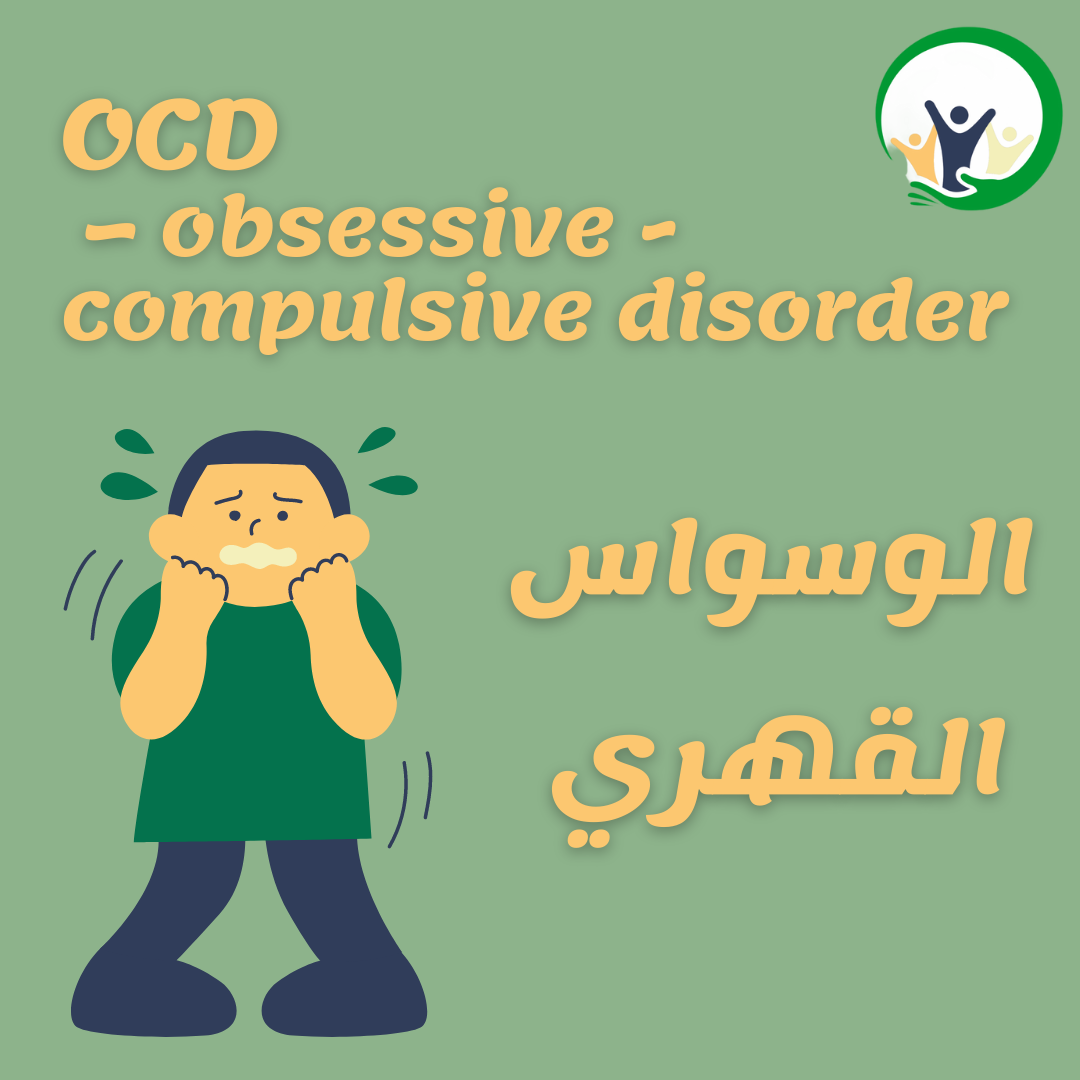
OCD – obsessive-compulsive disorder
  • Posted by Martina Kamal
  • Categories Blog, Child & Skills, Psychiatric Diagnosis
  • Date July 16, 2020
  • Comments 0 comment
OCD – obsessive-compulsive disorder

Definition

Obsessive-compulsive disorder, or OCD, means that the child suffers from excessive worries, which he or she often tries to overcome by doing what could be called superstitious rituals. For example, a child might worry that something dreadful will happen to his or her parents unless they touch the light switch, or repeats a prayer, a given number of times. Another example of OCD would be a child, who worries that the front door of the home is not unlocked and demands their parents to check the door again and again, or a child who needs more than an hour to place all his or her toys in precisely the right way.

 More examples

  • Compulsive cleanliness: the child is afraid of dirt, filth or contamination and is compelled to clean, or wash their hands, clothes, or other objects, again and again.
  • Holding: the child has a compelling need to collect rubbish, or useless and valueless objects and becomes anxious if asked to give up any of the collected objects.
  • Pure obsession: the child repeats things silently in his mind. For example, when hearing a certain word mentioned, the child feels compelled to repeat a certain phrase in his mind a given number of times.
  • Fatal mistake: the child is preoccupied with the worry that he has said or done something wrong and that his mistake will have consequences

Obsessive-compulsive disorder, or OCD, means that the child suffers from excessive worries, which he or she often tries to overcome by doing what could be called superstitious rituals. For example, a child might worry that something dreadful will happen to his or her parents unless they touch the light switch, or repeats a prayer, a given number of times.

Anxiety disorder

OCD is seen as an anxiety disorder because anxiety is central in the problem. Anxiety arises not only from worries but also from any attempts to prevent the child from performing their rituals.

Excessive worries and rituals are common in children around the age of 7-10. In most cases the problem fades away on its own but sometimes it persists and becomes a nuisance causing considerable distress to the child and the family.

Common sense does not help

It would seem natural to try to help the child by convincing them that their worry is unwarranted, or that there is no need for them to perform their ritual. A parent might say, for example, “You don’t need to worry about that. Nothing bad will happen. We are all safe.” Unfortunately such commonsensical responses do not usually help, and may even increase the child’s anxiety

What is the cause?

Worrying is normal and everyone does it sometimes. I like to think that inside the human brain there is a region that could be called the ‘worry generator’. The worry generator’s job is to generate worries, and to send them to the other parts of the brain to be dealt with. The other parts of the brain are responsible for assessing the worries generated by the worry generator, and deciding which ones need to be attended to, and which ones can be brushed aside, or put on hold.

This way of understanding what’s going on in the brain allows us to think of OCD as a natural result of the person not being able to distinguish between real worries that need to be dealt with urgently and imaginary worries that can be ignored or put on hold. This skill, which I will here call the ‘never mind skill’, is a mental ability that most people acquire on their own accord as they grow up, but others need to make an effort to learn.

What to say to the child

Explain the above to the child, for example, along these lines: “It’s normal to have worries. We all have them. When they come to mind they often feel important and we think we immediately need to do something to get rid of the worry. But not all our worries are important. Only some of them are important, others are just worries imagined up by our mind and those worries we can just let go, or if we don’t want to let them go, we can put them on hold. Simply waiting patiently without doing anything usually makes them disappear.”

The point is to help the child understand, that we all have worries, and if we don’t want our worries to control our life, we all need to learn to ignore them, or to just wait patiently to allow them come and go.

Name the problem

In order to make it easier for you to talk with the child about their OCD problems, it is helpful to have a mutual name for the child’s problem. Instead of using words such as ‘OCD’, ‘obsession’ or ‘compulsion’ it is preferable to use non-medical language and to talk, for example, of  ‘worries’, ‘doubts’, ‘repetitions’, or ‘checking’. Even better, is to use words that the child themselves comes up with to describe their problem. For example, one child used the term ‘special habit’ to refer to his OCD problem.

Blame a creature

It easier for children to overcome problems, when you blame the problem on an imaginary creature and say that it is the creature that is causing the child to behave in the problematic manner. For example, if a child becomes nasty, rather than blaming the child for being nasty, you can say to the child that the ‘nasty troll’ appears to have come to pay a visit. In this way you avoid criticising the child, and make it easier for getting the child to collaborate with you in fighting back the ‘nasty troll’, and sending it packing to wherever it came from.

You can invite the child to think of their OCD symptoms in a similar way: as if they were caused by a troll, goblin, or some other imaginary creature. If the child accepts this way of thinking, ask them to give the creature a name and to draw a picture of it. Blaming an imaginary creature helps the child to become more creative in thinking about ways to deal with their problem. It motivates the child to think ways of refusing to think the thoughts, or do the things the imagined creature would want them to do.

Use Kids’Skills

You can use Kids’ Skills to help children overcome OCD by identifying a skill for the child to learn and helping the child learn that skill. I have listed below some suggestions for skills that children with OCD can benefit from learning.

  • The ability to ignore worries for some time (in order to learn that they tend to dissolve on their own)
  • The ability to thrust aside worries by writing them down on sheet of paper and then burning the paper, or discarding it in some other way.
  • The ability to put worries on hold, to decide not to think about the worry right now, but to think about it later (in order to learn that worries tend to lose their urgency and power if you put them on hold for a time).
  • The skill of ignoring worries by saying something along the lines of “Who cares”, “Whatever” or “Can’t be bothered”.
  • The skill of resisting the urge to perform a ritual (in order to teach your brain that the bad things that you imagine do not happen even if you skip doing the rituals that are meant to prevent the bad thing from happening).

Once you have an agreement with the child about the skill the child needs to learn, use the steps of Kids’ Skills to help the child acquire that skill. Let the child give a name to the skill, choose a power creature, recruit supporters, proceed with small steps, etc.

Synopsis

OCD is a not uncommon problem in children, which appears to be caused by an abnormality in how the brain processes imagined worries. Mild symptoms are common in children in the age range of 7-10. Generally the symptoms fade but in some cases they persist causing distress to the child as well the child’s family.

In order to help children to overcome OCD, it is helpful to think that the child needs to learn a skill they lack, such as the skill of ignoring worries, or the skill of resisting the urge to perform rituals.

This article is owned by: Kids’Skills https://www.kidsskills.org/WP-fin/
  • Share:
author avatar
Martina Kamal

Previous post

Bipolar Disorder
July 16, 2020

Next post

Self Stimulation
July 18, 2020

You may also like

Why Doesn’t Your Child Listen to You?
31 March, 2026

Many parents find themselves in a frustrating situation: they repeat themselves multiple times, sometimes even yell, yet the child still doesn’t listen. The question is: is the problem with the child, or with the way we communicate? The truth is, …

A Child’s Self-Confidence: How It Is Built at Home Before School
12 March, 2026

Many parents believe that a child’s self-confidence begins when they start school or when they achieve academic success or learn a clear skill. However, the truth is that the foundations of confidence begin much earlier, inside the home, through small …

Child Tantrums: Understanding the Message Behind the Crying Instead of Fighting It
12 March, 2026

Many parents feel confused and stressed when a child throws a sudden tantrum. Screaming, intense crying,throwing objects, or even flopping on the floor may seem exaggerated or unreasonable. In those moments, many adults think the child is trying to annoy …

Leave A Reply Cancel reply

Your email address will not be published. Required fields are marked *

Search

Categories

  • Attention Difficulties
  • Bad Habits
  • Behavior problems
  • Bladder & Bowels
  • Blog
  • Bullying
  • Child & Skills
  • Child, Family, and school
  • Child’s Struggles
  • Dealing with emotions
  • Eating & Weight
  • education&community
  • Everyday life
  • Fear & Anxiety
  • Feelings & emotions for Child
  • For child
  • For Teen
  • Health
  • Health talk for Child
  • Healthy World
  • Home schooling
  • How to Start
  • Journey with the problem
  • Kids At Home
  • Kids At School
  • Kids skills Steps: Building skills
  • Kids skills Steps: Getting Started
  • Kids skills Steps: making it fun
  • Kids skills Steps: reinforcing learned skills
  • Life Skills
  • M.Montessori and philosophy
  • Me & My Child
  • Mental
  • Montessori in the Arab World
  • Olympiad
  • Other Problems
  • People and relationships for Child
  • Psychiatric Diagnosis
  • Relationships & Feelings
  • Relationships with parents
  • School life
  • School problems
  • Signs & meanings
  • Skills
  • sleeping problems
  • Social
  • Speech & Communication
  • Speech & Conversation
  • Sport
  • True Story
  • Types of Problems
  • unacceptable behavior
  • Uncategorized
  • Unhappy Child
  • What is Montessori method?
logo-eduma-the-best-lms-wordpress-theme

(02) 0127 293 5708

info@love2serve4all.org

Company

  • About Us
  • Meet our Team
  • Our Services
  • Become a Teacher
  • Contact

Products

  • Courses
  • Shop Page
  • Events
  • Gallery
  • Blogs’ Gallery
  • Membership

Terms

  • Terms of Service
  • Privacy Policy
  • Shipping and Return
  • Jobs and Internships
  • Sitemap

Recommend

  • Sleep Well
  • Apologizing
  • Divorce
  • Bedwetting
  • Being Late

Education Web Site by love2serve4all Powered by love2serve4all.

  • Terms of Service
  • Privacy Policy
  • Shipping and Return
  • Jobs and Internships
  • Sitemap