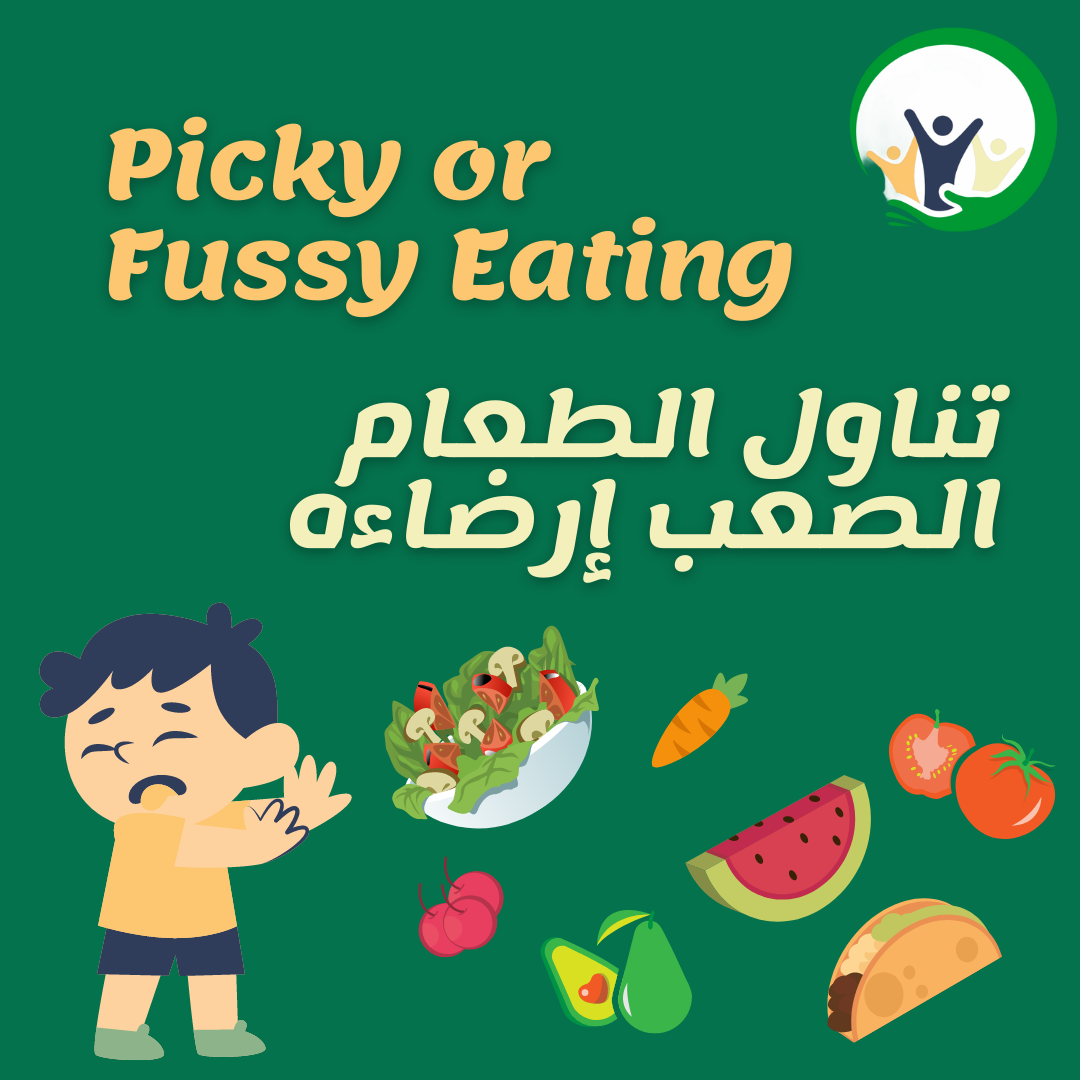
This means children who are picky fussy about the types of food they agree to eat. They may, for example, refuse to eat any vegetables, or agree to eat only a small selection of food types, refusing everything else. Usually …
Children’s obesity is a growing concern all over the world. The causes of the problem include, among other things, calorie-rich diet, unhealthy eating habits, and lack of physical exercise. Getting children to lose weight can be challenging. Success is much …
Parents and caregivers everywhere use similar tactics to get children to listen to them, comply with instructions, or obey orders. It’s a reasonable guess that the two commonest techniques are threats (“If you don’t do what I say I’ll take …
‘Biting’ here means children aged three or more who have the habit of suddenly, without any prior warning, biting, pinching, or hitting other nearby children, or of attacking adults caring for them in the same way. This behaviour is perplexing …
Aggressive behaviour means children behaving aggressively towards other children or adults by hitting, shoving, scratching or spitting, or by throwing things at them. Aggressive behaviour is unacceptable and adults should therefore help children learn to modify such behaviour. One way …
Toddlers aged 1-3 years often respond to disappointment and frustration with a fit of rage, also known as a temper tantrum. They shout, cry, kick, hit, bite and often attempt to break things. It’s reasonable to say that the primary …
Children who have the unacceptable habit of interrupting others when they are speaking, are developing problems as they grow older . A child who interrupts others is usually tolerated within families, but this type of habit can cause difficulties at …
Swearing (cursing) here means a child using unacceptable words, expressions or language that adults in their culture consider either rude or offensive. Adjusting language to your situation If you have tried to stop your child swearing without success, consider using …
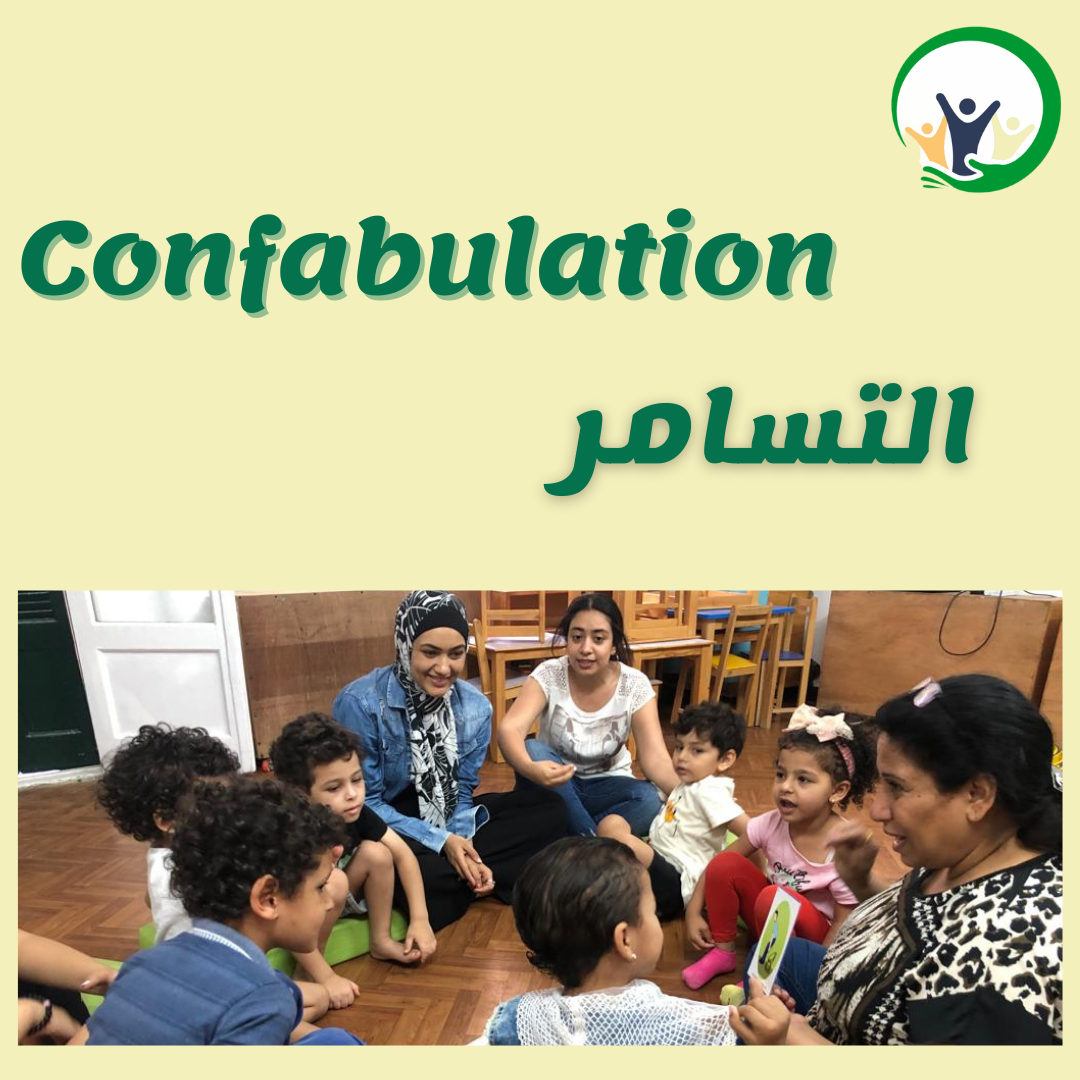
Confabulation means that a child has the habit of telling other children invented stories as if they were true. Instead of using time trying to understand why a child confabulates, it can be more useful to try working out which …
The child shouts, or talks in such a loud voice, that other people are disturbed by it and the child may suffer from hoarseness of voice. Volume awareness Children who are loud may not be aware of their loudness. Therefore, …