• Home
  • About Us
    • About Us
    • Our Services
    • Our Team
    • Our Vision
    • Portfolio
  • Courses

    About Courses

    • Courses Archive
    • Also You Can Attend
    • Timetable
    • Become an Instructor
    • FAQs

    New Course

    How to do finger puppets

    How to do finger puppets

    500
    EGP
    Read More
  • Events
  • Blog
    • Child & Skills
      • Fear & Anxiety
      • Bad Habits
      • sleeping problems
      • School problems
      • Bladder & Bowels
      • Speech & Conversation
      • Behavior problems
      • Attention Difficulties
      • Eating & Weight
      • Unhappy Child
      • unacceptable behavior
      • Bullying
      • Psychiatric Diagnosis
      • Other Problems
      • Kids skills Steps: Getting Started
      • Kids skills Steps: Building skills
      • Kids skills Steps: making it fun
      • Kids skills Steps: reinforcing learned skills
      • True Story
    • Montessori in the Arab World
      • Montessori at home
      • Montessori at school
    • Life Skills
      • Social
        • The Volunteer’s Guide 1: The Essence of Volunteering
        • The Volunteer’s Guide 2: What makes volunteering unique 1
        • The Volunteer’s Guide 2: What makes volunteering unique 2
        • The Volunteer’s Guide 3: Types of volunteering
        • The Volunteer’s Guide 4: How to Get Started?
        • The Volunteer’s Guide 5: Choosing where to volunteer
        • The Volunteer’s Guide 6: Am i Being used?
        • The Volunteer’s Guide 7: what to expect?
        • The Volunteer’s Guide 8: What is expected of me?
        • The Volunteer’s Guide 9: what can i do in Love2Serve4All?
        • International Women’s Day: Empowering Girls Through Education:
        • Youth Empowerment: Fostering Leadership and Initiative
      • Mental
        • Reset
        • Holiday Stress: Your Guide to Managing and Enjoying the Season
        • A Year in Retrospect: Reflection on 2023
        • Navigating the Holidays with Grace: Setting Boundaries for a Joyful Season
        • Embracing Self-Love: A Valentine’s Day Guide
      • Skills
        • The year is ending? How to achieve my goals in the last 4 months
        • How to create a to do list
        • 101 Guide to Crafting a Personal Budget
        • A Vision for the Future: Setting Your Personal Goals for 2024
        • Achieving Your Dreams: A Step-by-Step Guide to Conquering Your Goals in 2024
        • The Power of Journaling: A Beginner’s Guide to Self-Discovery and Personal Growth
      • Health
        • Winter Wellness: Your Guide to Flu and Cold Prevention
    • Kids At Home
      • Movie Night Guide: The sorcerer’s Elephant
      • Reading with your child
      • Navigating Family and Social Gatherings with Kids: Tips to Overcome Challenges
      • Movie Night Guide: “The Christmas Carol”
      • Cooking with Kids: A Recipe for Fun in the Kitchen
      • Ringing in the New Year with Little Ones: A Guide to Celebrating New Year’s Eve with Your Child
      • Love for Learning: Valentine’s Day Special:
    • Kids At School
      • How to help a child develop independent study skills
      • Managing back-to-school anxiety
      • Setting up a back-to-school morning routine for your child
      • Social-Emotional Learning: Nurturing Emotional Intelligence in Students:
      • International Day of Happiness: Cultivating Positive Learning Environments:
  • Shop
    • Books
      • Children’s Books
      • For Children & Parents
      • Montessori Books
      • Parenting & Relationship
      • Self Help
      • Teens & Young Adults
      • Education & Reference
      • Montessori Education
        • Montessori Activities
        • Montessori Books
        • Montessori Materials
      • Educational Programs
      • Schools & Teaching
  • News
  • Features
    • Timetable
    • Gallery
    • Blogs’ Gallery
    • FAQs
    • MY ACCOUNT
  • Contact
  • Register Now
    • Registration
    • Login
Have any question?
(02) 0127 293 5708
info@love2serve4all.org
  • English
    • العربية
Love2Serve4All
  • Home
  • About Us
    • About Us
    • Our Services
    • Our Team
    • Our Vision
    • Portfolio
  • Courses

    About Courses

    • Courses Archive
    • Also You Can Attend
    • Timetable
    • Become an Instructor
    • FAQs

    New Course

    How to do finger puppets

    How to do finger puppets

    500
    EGP
    Read More
  • Events
  • Blog
    • Child & Skills
      • Fear & Anxiety
      • Bad Habits
      • sleeping problems
      • School problems
      • Bladder & Bowels
      • Speech & Conversation
      • Behavior problems
      • Attention Difficulties
      • Eating & Weight
      • Unhappy Child
      • unacceptable behavior
      • Bullying
      • Psychiatric Diagnosis
      • Other Problems
      • Kids skills Steps: Getting Started
      • Kids skills Steps: Building skills
      • Kids skills Steps: making it fun
      • Kids skills Steps: reinforcing learned skills
      • True Story
    • Montessori in the Arab World
      • Montessori at home
      • Montessori at school
    • Life Skills
      • Social
        • The Volunteer’s Guide 1: The Essence of Volunteering
        • The Volunteer’s Guide 2: What makes volunteering unique 1
        • The Volunteer’s Guide 2: What makes volunteering unique 2
        • The Volunteer’s Guide 3: Types of volunteering
        • The Volunteer’s Guide 4: How to Get Started?
        • The Volunteer’s Guide 5: Choosing where to volunteer
        • The Volunteer’s Guide 6: Am i Being used?
        • The Volunteer’s Guide 7: what to expect?
        • The Volunteer’s Guide 8: What is expected of me?
        • The Volunteer’s Guide 9: what can i do in Love2Serve4All?
        • International Women’s Day: Empowering Girls Through Education:
        • Youth Empowerment: Fostering Leadership and Initiative
      • Mental
        • Reset
        • Holiday Stress: Your Guide to Managing and Enjoying the Season
        • A Year in Retrospect: Reflection on 2023
        • Navigating the Holidays with Grace: Setting Boundaries for a Joyful Season
        • Embracing Self-Love: A Valentine’s Day Guide
      • Skills
        • The year is ending? How to achieve my goals in the last 4 months
        • How to create a to do list
        • 101 Guide to Crafting a Personal Budget
        • A Vision for the Future: Setting Your Personal Goals for 2024
        • Achieving Your Dreams: A Step-by-Step Guide to Conquering Your Goals in 2024
        • The Power of Journaling: A Beginner’s Guide to Self-Discovery and Personal Growth
      • Health
        • Winter Wellness: Your Guide to Flu and Cold Prevention
    • Kids At Home
      • Movie Night Guide: The sorcerer’s Elephant
      • Reading with your child
      • Navigating Family and Social Gatherings with Kids: Tips to Overcome Challenges
      • Movie Night Guide: “The Christmas Carol”
      • Cooking with Kids: A Recipe for Fun in the Kitchen
      • Ringing in the New Year with Little Ones: A Guide to Celebrating New Year’s Eve with Your Child
      • Love for Learning: Valentine’s Day Special:
    • Kids At School
      • How to help a child develop independent study skills
      • Managing back-to-school anxiety
      • Setting up a back-to-school morning routine for your child
      • Social-Emotional Learning: Nurturing Emotional Intelligence in Students:
      • International Day of Happiness: Cultivating Positive Learning Environments:
  • Shop
    • Books
      • Children’s Books
      • For Children & Parents
      • Montessori Books
      • Parenting & Relationship
      • Self Help
      • Teens & Young Adults
      • Education & Reference
      • Montessori Education
        • Montessori Activities
        • Montessori Books
        • Montessori Materials
      • Educational Programs
      • Schools & Teaching
  • News
  • Features
    • Timetable
    • Gallery
    • Blogs’ Gallery
    • FAQs
    • MY ACCOUNT
  • Contact
  • Register Now
    • Registration
    • Login

montessori books

Home » Blog » Strategic Recommendations: Humility and “Self-Education” as a Methodology

Strategic Recommendations: Humility and “Self-Education” as a Methodology
  • Posted by Marketing L2S
  • Categories montessori books
  • Date April 7, 2026
  • Comments 0 comment


Professional humility and institutionalizing a culture of apologizing to the child are not signs of weak leadership; rather, they are strategic tools for freeing oneself from the “desire to control.” Institutions must treat the concept of the “spiritual embryo” as a guiding principle—an invisible internal blueprint for the child’s development that requires a “sterile” environment free from chaotic adult interference, just as the physical embryo requires a protected environment in the womb.

The New Professional Charter for Educators (Performance Standards):

  1. Principle of Silent Observation: The educator is required to deeply observe the child’s needs before engaging in any directive action.
  2. Controlling the Desire to Control: Restraining the adult’s ego is considered a key criterion for evaluating professional competence.
  3. Protecting Inner Development: Focus on safeguarding the child’s inner spirit (the spiritual embryo) rather than merely managing outward behavior.

Procedural Steps for Teacher Training Programs (Educating the Self Before the Child):

  1. Silent Observation Log: Teachers are required to dedicate 15 minutes daily to document moments in which they refrained from controlling intervention despite the urge to do so.
  2. Deconstructing the Personal “Catalog”: Workshops to analyze the personal motives behind restrictive commands and determine whether they serve the child’s interest or the adult’s comfort.
  3. Redefining Help: Adopting the principle that “true help is any action that enables the child to become independent from the adult,” while discouraging “suppressive help.”
  4. Institutionalizing Professional Humility: Training educators to offer clear and direct apologies to the child when their independence is violated, as a tool for building mutual respect.

Conclusion

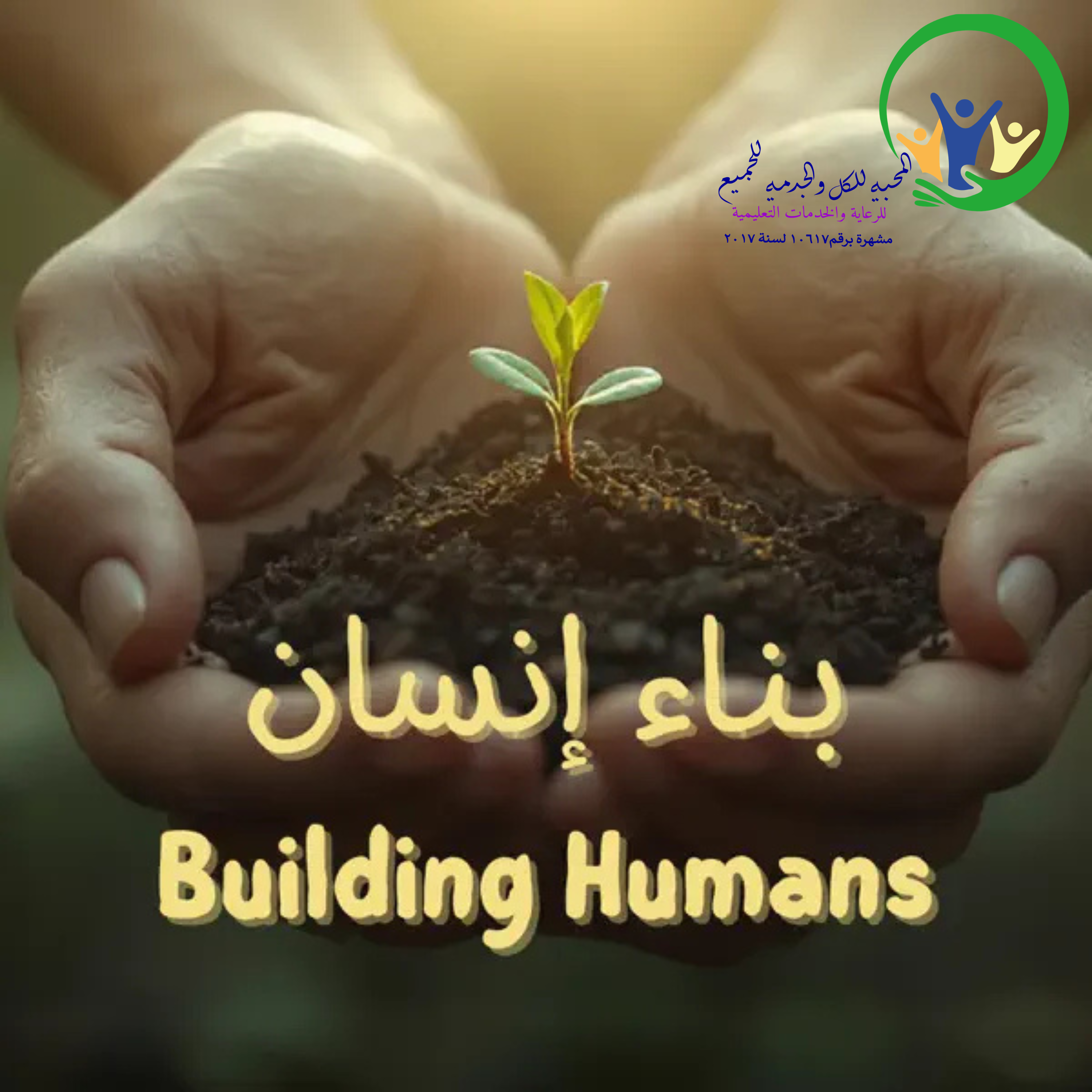
The role of educational institutions in building the “human being” lies in having the courage to step back and allow the child to emerge. Protecting the “spiritual embryo” requires us, as adults, to stop being obstacles and to begin the journey of educating ourselves first. Only then will the child cease to be a “project to be shaped” and become a “free human being” who announces their emergence from behind the veil of our commands.


Putting Adults on Trial: Is Our Love for Our Children “Selfish Love”? Behind the Scenes of the Existential Conflict Between Us and Them

If you stood today in an “educational courtroom,” do you think you would be on the defense side as a protective educator, or would you find yourself in the defendant’s cage as the primary “obstacle”?

The shocking truth presented by Maria Montessori in her book “The Secret of Childhood” is that we, as adults, are often the main barrier to our children’s growth. It is not just about morning struggles over getting dressed or the noise of play; it is a confrontation with the self, revealing that we may be suffocating our children in the name of love, exercising authority that erases their identity to satisfy our ego or preserve the calm of our organized world.


1. The Train of Your Speed That Crushes Your Child’s Desire

The problem begins with the massive gap between the “speed of the adult” and the “calm pace of the child.” Adults live in a constant race against time, driven by deadlines, work, and responsibilities, operating in a mode of “achievement.” Meanwhile, the child is still discovering the rhythm of life, needing to repeat the same action dozens of times to build their mental capacities.

When you intervene and put on your child’s shoes “to save time,” you are not helping—you are suppressing their natural desire to learn. You are choosing your comfort and speed over their growth.

“You think you are helping, but in reality you have suppressed their desire to learn for your own comfort and speed… you have run them over with the train of your pace.”

The help we offer just to “get things done” is a form of disguised suppression, as it deprives the child of their right to experiment and make mistakes, turning them into passive recipients simply because we lack the patience for their slower rhythm.


2. The Trap of the Ego: Are We Raising Children or Protecting Our “Catalog”?

Montessori presents a harsh but truthful accusation: sometimes our love for our children is “selfish love.” We love them as long as they follow our “catalog”—as long as they are quiet, organized, and do not disrupt our personal order.

To many adults, the child becomes a source of disturbance or a threat to household calm. We treat them as “clay” to be shaped in our image so they become convenient for us. The conflict here is not about right or wrong; it is an existential struggle between the adult’s ego that seeks control and impose order, and the child’s right to exist and explore as an independent human being.


3. The Solution Begins with One Word: Humility

To step out of the position of the accused and raise a balanced human being, Montessori offers a practical approach that begins with humility. The adult must acknowledge that they might be the real obstacle, and that true education starts with “self-education”—regulating our reactions before attempting to guide the child.

Here are practical steps to move from being “the accused” to becoming a conscious educator:

  • Silent Observation: Learn to observe your child’s attempts to explore without immediately intervening with commands or unnecessary help.
  • Controlling the Desire to Control: Before saying “no” or “let me do it for you,” ask yourself: is this for the child’s benefit, or to maintain my own comfort and order?
  • Respecting the Child’s Pace: Dedicate time that is free from the pressure of speed—let the child dress, eat, or explore slowly and without pressure.
  • Stepping Back: Our role is to prepare the environment, not to control the child’s movement within it.

“If we manage to control our desire to control, we will discover an extraordinary human being within the child who was hidden behind us.”


Conclusion: Reflect Before It’s Too Late

Our journey into understanding the secrets of childhood is only beginning. Next time, we will dive into a deeper mystery—what Montessori called the “spiritual embryo”—and explore how the child’s inner world is formed quietly, away from our interference.

Until then, think about the next moment you will spend with your child today, and ask yourself honestly:

Do you have the courage to let go of the role of the “controller” and give space for the “extraordinary human” within your child to emerge, or will you continue holding on to the train of your speed and your personal catalog?

  • Share:
author avatar
Marketing L2S

Previous post

The Child… The Forgotten Citizen: Why We Need to Rethink How We Raise Our Children
April 7, 2026

Next post

The Mystery of the “Spiritual Embryo”: Why Are Humans Born the Weakest Creatures, and How Does This “Instinct” Build Their Genius?
April 7, 2026

You may also like

Copy of Untitled (Podcast Cover)
Educational Transformation Strategy: From Instruction to Environmental Design (Applications of “The Absorbent Mind”)
7 April, 2026
Copy of Untitled (Podcast Cover)
The Mystery of the “Spiritual Embryo”: Why Are Humans Born the Weakest Creatures, and How Does This “Instinct” Build Their Genius?
7 April, 2026

Leave A Reply Cancel reply

Your email address will not be published. Required fields are marked *

Search

Categories

  • Attention Difficulties
  • Bad Habits
  • Behavior problems
  • Bladder & Bowels
  • Blog
  • Bullying
  • Child & Skills
  • Child, Family, and school
  • Child’s Struggles
  • Dealing with emotions
  • Eating & Weight
  • education&community
  • Everyday life
  • Fear & Anxiety
  • Feelings & emotions for Child
  • For child
  • For Teen
  • Health
  • Health talk for Child
  • Healthy World
  • Home schooling
  • How to Start
  • Journey with the problem
  • Kids At Home
  • Kids At School
  • Kids skills Steps: Building skills
  • Kids skills Steps: Getting Started
  • Kids skills Steps: making it fun
  • Kids skills Steps: reinforcing learned skills
  • Life Skills
  • M.Montessori and philosophy
  • Me & My Child
  • Mental
  • montessori books
  • montessori books
  • Montessori in the Arab World
  • Olympiad
  • Other Problems
  • People and relationships for Child
  • Psychiatric Diagnosis
  • Relationships & Feelings
  • Relationships with parents
  • School life
  • School problems
  • Signs & meanings
  • Skills
  • sleeping problems
  • Social
  • Speech & Communication
  • Speech & Conversation
  • Sport
  • True Story
  • Types of Problems
  • unacceptable behavior
  • Uncategorized
  • Unhappy Child
  • What is Montessori method?
logo-eduma-the-best-lms-wordpress-theme

(02) 0127 293 5708

info@love2serve4all.org

Company

  • About Us
  • Meet our Team
  • Our Services
  • Become a Teacher
  • Contact

Products

  • Courses
  • Shop Page
  • Events
  • Gallery
  • Blogs’ Gallery
  • Membership

Terms

  • Terms of Service
  • Privacy Policy
  • Shipping and Return
  • Jobs and Internships
  • Sitemap

Recommend

  • Sleep Well
  • Apologizing
  • Divorce
  • Bedwetting
  • Being Late

Education Web Site by love2serve4all Powered by love2serve4all.

  • Terms of Service
  • Privacy Policy
  • Shipping and Return
  • Jobs and Internships
  • Sitemap