• Home
  • About Us
    • About Us
    • Our Services
    • Our Team
    • Our Vision
    • Portfolio
  • Courses

    About Courses

    • Courses Archive
    • Also You Can Attend
    • Timetable
    • Become an Instructor
    • FAQs

    New Course

    How to do finger puppets

    How to do finger puppets

    500
    EGP
    Read More
  • Events
  • Blog
    • Child & Skills
      • Fear & Anxiety
      • Bad Habits
      • sleeping problems
      • School problems
      • Bladder & Bowels
      • Speech & Conversation
      • Behavior problems
      • Attention Difficulties
      • Eating & Weight
      • Unhappy Child
      • unacceptable behavior
      • Bullying
      • Psychiatric Diagnosis
      • Other Problems
      • Kids skills Steps: Getting Started
      • Kids skills Steps: Building skills
      • Kids skills Steps: making it fun
      • Kids skills Steps: reinforcing learned skills
      • True Story
    • Montessori in the Arab World
      • Montessori at home
      • Montessori at school
    • Life Skills
      • Social
        • The Volunteer’s Guide 1: The Essence of Volunteering
        • The Volunteer’s Guide 2: What makes volunteering unique 1
        • The Volunteer’s Guide 2: What makes volunteering unique 2
        • The Volunteer’s Guide 3: Types of volunteering
        • The Volunteer’s Guide 4: How to Get Started?
        • The Volunteer’s Guide 5: Choosing where to volunteer
        • The Volunteer’s Guide 6: Am i Being used?
        • The Volunteer’s Guide 7: what to expect?
        • The Volunteer’s Guide 8: What is expected of me?
        • The Volunteer’s Guide 9: what can i do in Love2Serve4All?
        • International Women’s Day: Empowering Girls Through Education:
        • Youth Empowerment: Fostering Leadership and Initiative
      • Mental
        • Reset
        • Holiday Stress: Your Guide to Managing and Enjoying the Season
        • A Year in Retrospect: Reflection on 2023
        • Navigating the Holidays with Grace: Setting Boundaries for a Joyful Season
        • Embracing Self-Love: A Valentine’s Day Guide
      • Skills
        • The year is ending? How to achieve my goals in the last 4 months
        • How to create a to do list
        • 101 Guide to Crafting a Personal Budget
        • A Vision for the Future: Setting Your Personal Goals for 2024
        • Achieving Your Dreams: A Step-by-Step Guide to Conquering Your Goals in 2024
        • The Power of Journaling: A Beginner’s Guide to Self-Discovery and Personal Growth
      • Health
        • Winter Wellness: Your Guide to Flu and Cold Prevention
    • Kids At Home
      • Movie Night Guide: The sorcerer’s Elephant
      • Reading with your child
      • Navigating Family and Social Gatherings with Kids: Tips to Overcome Challenges
      • Movie Night Guide: “The Christmas Carol”
      • Cooking with Kids: A Recipe for Fun in the Kitchen
      • Ringing in the New Year with Little Ones: A Guide to Celebrating New Year’s Eve with Your Child
      • Love for Learning: Valentine’s Day Special:
    • Kids At School
      • How to help a child develop independent study skills
      • Managing back-to-school anxiety
      • Setting up a back-to-school morning routine for your child
      • Social-Emotional Learning: Nurturing Emotional Intelligence in Students:
      • International Day of Happiness: Cultivating Positive Learning Environments:
  • Shop
    • Books
      • Children’s Books
      • For Children & Parents
      • Montessori Books
      • Parenting & Relationship
      • Self Help
      • Teens & Young Adults
      • Education & Reference
      • Montessori Education
        • Montessori Activities
        • Montessori Books
        • Montessori Materials
      • Educational Programs
      • Schools & Teaching
  • News
  • Features
    • Timetable
    • Gallery
    • Blogs’ Gallery
    • FAQs
    • MY ACCOUNT
  • Contact
  • Register Now
    • Registration
    • Login
Have any question?
(02) 0127 293 5708
info@love2serve4all.org
  • English
    • العربية
Love2Serve4All
  • Home
  • About Us
    • About Us
    • Our Services
    • Our Team
    • Our Vision
    • Portfolio
  • Courses

    About Courses

    • Courses Archive
    • Also You Can Attend
    • Timetable
    • Become an Instructor
    • FAQs

    New Course

    How to do finger puppets

    How to do finger puppets

    500
    EGP
    Read More
  • Events
  • Blog
    • Child & Skills
      • Fear & Anxiety
      • Bad Habits
      • sleeping problems
      • School problems
      • Bladder & Bowels
      • Speech & Conversation
      • Behavior problems
      • Attention Difficulties
      • Eating & Weight
      • Unhappy Child
      • unacceptable behavior
      • Bullying
      • Psychiatric Diagnosis
      • Other Problems
      • Kids skills Steps: Getting Started
      • Kids skills Steps: Building skills
      • Kids skills Steps: making it fun
      • Kids skills Steps: reinforcing learned skills
      • True Story
    • Montessori in the Arab World
      • Montessori at home
      • Montessori at school
    • Life Skills
      • Social
        • The Volunteer’s Guide 1: The Essence of Volunteering
        • The Volunteer’s Guide 2: What makes volunteering unique 1
        • The Volunteer’s Guide 2: What makes volunteering unique 2
        • The Volunteer’s Guide 3: Types of volunteering
        • The Volunteer’s Guide 4: How to Get Started?
        • The Volunteer’s Guide 5: Choosing where to volunteer
        • The Volunteer’s Guide 6: Am i Being used?
        • The Volunteer’s Guide 7: what to expect?
        • The Volunteer’s Guide 8: What is expected of me?
        • The Volunteer’s Guide 9: what can i do in Love2Serve4All?
        • International Women’s Day: Empowering Girls Through Education:
        • Youth Empowerment: Fostering Leadership and Initiative
      • Mental
        • Reset
        • Holiday Stress: Your Guide to Managing and Enjoying the Season
        • A Year in Retrospect: Reflection on 2023
        • Navigating the Holidays with Grace: Setting Boundaries for a Joyful Season
        • Embracing Self-Love: A Valentine’s Day Guide
      • Skills
        • The year is ending? How to achieve my goals in the last 4 months
        • How to create a to do list
        • 101 Guide to Crafting a Personal Budget
        • A Vision for the Future: Setting Your Personal Goals for 2024
        • Achieving Your Dreams: A Step-by-Step Guide to Conquering Your Goals in 2024
        • The Power of Journaling: A Beginner’s Guide to Self-Discovery and Personal Growth
      • Health
        • Winter Wellness: Your Guide to Flu and Cold Prevention
    • Kids At Home
      • Movie Night Guide: The sorcerer’s Elephant
      • Reading with your child
      • Navigating Family and Social Gatherings with Kids: Tips to Overcome Challenges
      • Movie Night Guide: “The Christmas Carol”
      • Cooking with Kids: A Recipe for Fun in the Kitchen
      • Ringing in the New Year with Little Ones: A Guide to Celebrating New Year’s Eve with Your Child
      • Love for Learning: Valentine’s Day Special:
    • Kids At School
      • How to help a child develop independent study skills
      • Managing back-to-school anxiety
      • Setting up a back-to-school morning routine for your child
      • Social-Emotional Learning: Nurturing Emotional Intelligence in Students:
      • International Day of Happiness: Cultivating Positive Learning Environments:
  • Shop
    • Books
      • Children’s Books
      • For Children & Parents
      • Montessori Books
      • Parenting & Relationship
      • Self Help
      • Teens & Young Adults
      • Education & Reference
      • Montessori Education
        • Montessori Activities
        • Montessori Books
        • Montessori Materials
      • Educational Programs
      • Schools & Teaching
  • News
  • Features
    • Timetable
    • Gallery
    • Blogs’ Gallery
    • FAQs
    • MY ACCOUNT
  • Contact
  • Register Now
    • Registration
    • Login

Blog

Home » Blog » Depression

Depression

  • Posted by Martina Kamal
  • Categories Blog, Child & Skills, Psychiatric Diagnosis, Unhappy Child
  • Date July 13, 2020
  • Comments 0 comment
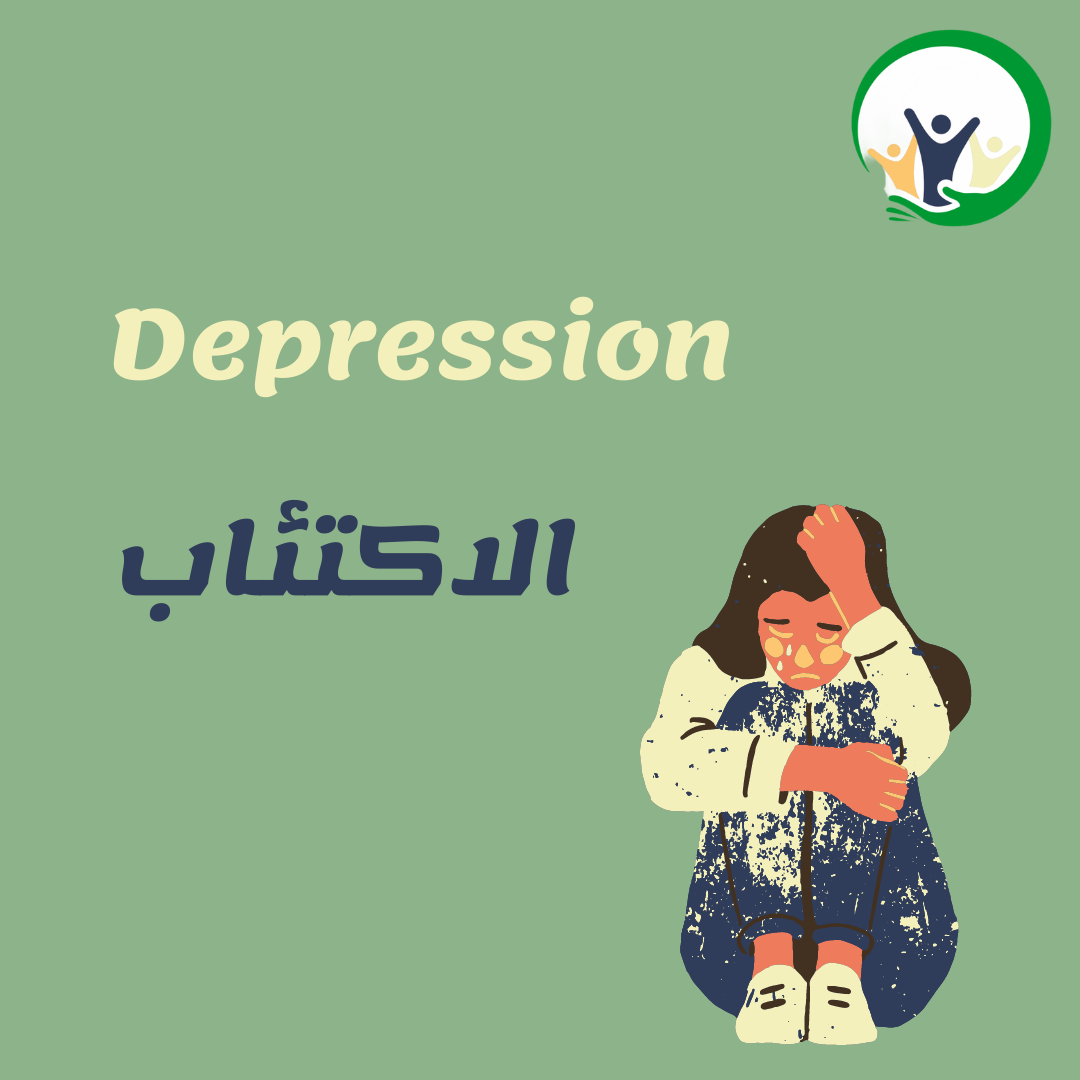
Depression

Background

Diagnosing children as suffering from depression is a relatively new practice, this diagnosis was not used before the turn of the millennium. Unhappy children were earlier considered to have Adjustment Disorder with Depressive Symptoms, where “Adjustment Disorder” means a person suffering from symptoms triggered by their life experiences.

The diagnostic convention changed drastically around 2000, first in the USA but soon afterwards also in Europe. Child psychiatrists began to assign children the diagnosis of Major Depression, a category previously applied only to adults. This new label, which suggested that a child was suffering from a severe disturbance (rather than just an emotional reaction to something that had happened to them), was a welcome invention for two reasons. Firstly, it made securing reimbursement from insurance companies less complicated, and secondly, it justified treating children with medication rather than therapy.

An abundance of articles and research papers began appearing in professional journals. Proponents of the diagnosis maintained that childhood depression is a far more common disorder than generally assumed. It was even suggested that medical professionals often avoid assigning a Depression diagnosis because they, like most parents, find it difficult to admit that children can also suffer from this serious illness, which is common in adults.

A vague definition

In articles about childhood depression, the statement is often made that depression in children can take many forms and present via a wide variety of symptoms. The point is commonly made that when children are depressed, they are not necessarily sad, miserable or down (as adults usually are) but are either moody or irritated. With such a wide-ranging description, the definition of childhood depression has become so loose that only a tiny amount of imagination is required to allow it to be attached to any child who has emotional or psychological problems.

Diagnosing children as suffering from depression is a relatively new practice, this diagnosis was not used before the turn of the millennium. Unhappy children were earlier considered to have Adjustment Disorder with Depressive Symptoms, where “Adjustment Disorder” means a person suffering from symptoms triggered by their life experiences.

A dubious diagnosis


Within the last two decades, use of Depression as a diagnostic label for children has become widespread, with the obvious result that the number being prescribed antidepressant medication has skyrocketed. At the same time, psychiatric professionals have started to lose sight of the fact that, regardless of why children appear to be unhappy, there are many effective ways of helping them which do not involve labelling them as depressed and medicating them.

How did this happen?

The explanations provided here beg the question of why assigning a Depression diagnosis to children has become so commonplace. Proponents of the diagnosis will say it is because psychiatric professionals have finally opened their eyes to the ‘fact’ that both adults and children can suffer from depression, and that children therefore deserve to be treated accordingly. Critics argue that this drastic shift in diagnostic convention is nothing but a well–designed campaign massively funded by the pharmaceutical industry. The aim of this successful campaign has been to influence opinion and gain acceptance for the questionable concept that children’s psychological problems should be treated with the same potent neurochemical drugs as those widely used to treat adults.

Use natural language

When talking about children’s emotional and behavioural problems, I recommend that people avoid medical terminology whenever possible. This is because medical terminology – including most diagnostic categories – often implies that a problem is serious, is long-lasting, is difficult to treat successfully, and that only trained professionals have the qualifications to handle it.

Natural language is a wiser choice than medical jargon because it offers a wealth of words and expressions that encourage hope, and also because using it sends the clear message that everyone, not only professionals, has the qualifications required to help children overcome their problems.

Find an alternative word for depression

Depression can, for example, be replaced by natural language expressions such as ‘sad’, ‘down in the dumps’, ‘unhappy’, ‘heartbroken’, heavy-hearted’ or ‘feeling low’.

 Joy Gone Hiding (JGH)

When I speak at conferences I often suggest that we should replace the term depression with the acronym JGH (Joy Gone Hiding) . This, more optimistic, ‘diagnosis’ conveys the idea that because something has happened in their life, a child has temporarily lost their ability to enjoy living. Treatment should, accordingly, not be medication, but helping the child recover their skill of experiencing joy in their lives – regardless of why they lost the skill in the first place.

Synopsis

If the child is unhappy, avoid medical terminology to describe the child’s condition and use words and expressions of natural language instead.

If there is a clear cause for the child’s unhappiness, support the child in overcoming the problem if possible. For example, if the child is bullied in school, read about what I have written about bullying in this app to find out how to help the child overcome the problem.

Think about depression in children as a sign that the child has temporarily lost their ability to enjoy life, and help the child by assisting the child to learn to experience joy again.

You can use Kids’ Skills to help the child relearn the ability to experience joy. The child can give the skill a name, nominate a number of supporters, pick a power creature, draw up a plan of how to celebrate once they have learned the skill, etc. You can help the child make a list of activities that the child has previously enjoyed and then invite the child’s supporters to do those activities with the child.

This article is owned by: Kids’Skills http://www.kidsskillsapp.com/
  • Share:
author avatar
Martina Kamal

Previous post

Bullying – Prevention
July 13, 2020

Next post

Selective Mutism
July 13, 2020

You may also like

Why Doesn’t Your Child Listen to You?
31 March, 2026

Many parents find themselves in a frustrating situation: they repeat themselves multiple times, sometimes even yell, yet the child still doesn’t listen. The question is: is the problem with the child, or with the way we communicate? The truth is, …

A Child’s Self-Confidence: How It Is Built at Home Before School
12 March, 2026

Many parents believe that a child’s self-confidence begins when they start school or when they achieve academic success or learn a clear skill. However, the truth is that the foundations of confidence begin much earlier, inside the home, through small …

Child Tantrums: Understanding the Message Behind the Crying Instead of Fighting It
12 March, 2026

Many parents feel confused and stressed when a child throws a sudden tantrum. Screaming, intense crying,throwing objects, or even flopping on the floor may seem exaggerated or unreasonable. In those moments, many adults think the child is trying to annoy …

Leave A Reply Cancel reply

Your email address will not be published. Required fields are marked *

Search

Categories

  • Attention Difficulties
  • Bad Habits
  • Behavior problems
  • Bladder & Bowels
  • Blog
  • Bullying
  • Child & Skills
  • Child, Family, and school
  • Child’s Struggles
  • Dealing with emotions
  • Eating & Weight
  • education&community
  • Everyday life
  • Fear & Anxiety
  • Feelings & emotions for Child
  • For child
  • For Teen
  • Health
  • Health talk for Child
  • Healthy World
  • Home schooling
  • How to Start
  • Journey with the problem
  • Kids At Home
  • Kids At School
  • Kids skills Steps: Building skills
  • Kids skills Steps: Getting Started
  • Kids skills Steps: making it fun
  • Kids skills Steps: reinforcing learned skills
  • Life Skills
  • M.Montessori and philosophy
  • Me & My Child
  • Mental
  • Montessori in the Arab World
  • Olympiad
  • Other Problems
  • People and relationships for Child
  • Psychiatric Diagnosis
  • Relationships & Feelings
  • Relationships with parents
  • School life
  • School problems
  • Signs & meanings
  • Skills
  • sleeping problems
  • Social
  • Speech & Communication
  • Speech & Conversation
  • Sport
  • True Story
  • Types of Problems
  • unacceptable behavior
  • Uncategorized
  • Unhappy Child
  • What is Montessori method?
logo-eduma-the-best-lms-wordpress-theme

(02) 0127 293 5708

info@love2serve4all.org

Company

  • About Us
  • Meet our Team
  • Our Services
  • Become a Teacher
  • Contact

Products

  • Courses
  • Shop Page
  • Events
  • Gallery
  • Blogs’ Gallery
  • Membership

Terms

  • Terms of Service
  • Privacy Policy
  • Shipping and Return
  • Jobs and Internships
  • Sitemap

Recommend

  • Sleep Well
  • Apologizing
  • Divorce
  • Bedwetting
  • Being Late

Education Web Site by love2serve4all Powered by love2serve4all.

  • Terms of Service
  • Privacy Policy
  • Shipping and Return
  • Jobs and Internships
  • Sitemap